When the clocks go back in October, golfers across the country often notice their evening playing time vanishing into the shadows. While those bright summer evenings that allow for nine holes after work feel increasingly distant, sports.yahoo.com reports that golfers actually have a fellow player to thank for the extra hour of evening daylight enjoyed during the summer months.
Who was William Willett?
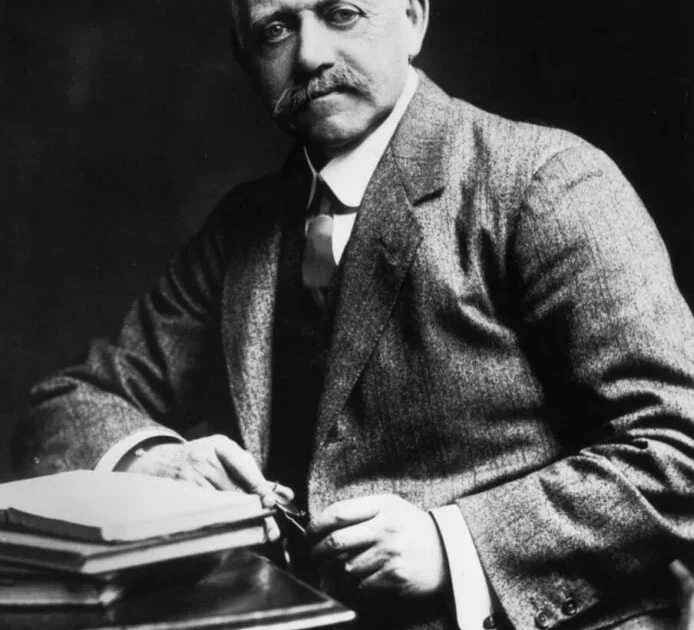
Born in Farnham, Surrey, in 1856, William Willett was a house builder who lived much of his life in Chislehurst. He favored natural light, designing properties featuring large bay windows to flood homes with sunlight, but his epiphany struck during his early-morning horse rides. Willett observed that numerous houses kept their blinds drawn despite the sun already having risen and the day being underway.
He questioned why people slept through valuable daylight only to run out of it upon finishing work. For someone fond of outdoor pursuits and particularly golf, this appeared to be a significant waste, leading to his theory that adjusting clocks would help people better utilize available daylight.
How golf inspired daylight saving time
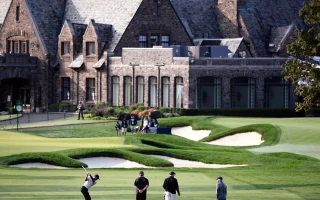
Willett was an enthusiastic golfer connected to Chislehurst Golf Club, a venue he helped establish during the 1890s. After acquiring the Camden Place estate, which featured the mansion that became the club’s clubhouse, Willett initially planned to develop the land for housing. He ultimately created a golf course instead, appointing Tom Dunn to design a nine-hole layout for men alongside a smaller nine-hole layout for women.
In 1907, Willett published a pamphlet titled The Waste of Daylight, arguing that British clocks should be adjusted to provide people with more usable daylight during the evenings. He estimated that this adjustment could save at least £2.5 million annually in lighting costs. In his writings, he highlighted limited opportunities for recreation after the working day, particularly for individuals who enjoyed spending time in nature. His initial proposal suggested advancing clocks by 20 minutes on four successive Sundays in April, and reversing the process in September.
Although golf was central to Willett’s life, his campaign extended beyond the sport, as he believed additional evening daylight would enhance public health and overall wellbeing. Despite receiving backing from prominent political figures such as Winston Churchill and David Lloyd George, Willett initially struggled to persuade Parliament to accept his proposal.
The onset of the First World War ultimately shifted attitudes toward daylight saving time. As Britain sought methods to conserve fuel and efficiently utilize resources, the potential economic advantages became highly appealing. The Summer Time Act was subsequently passed in 1916, establishing British Summer Time and advancing the clocks by one hour.
Willett passed away from influenza in 1915 at the age of 58, missing the ultimate success of his campaign. Today, Willett’s contribution is honored in Chislehurst, where he is buried at St Nicholas Church, and commemorated through a memorial sundial, a blue plaque, and a local pub named the Daylight Inn in Petts Wood.