Table of Content
Major League Baseball could experience a surprisingly busy November of free agency leading up to the potential December 1 lockout, despite initial assumptions that teams would hold back before a new collective bargaining agreement. CBS Sports Headlines highlights four key reasons why clubs and players are expected to make major moves before the deadline.
Historical Precedent and Player Peace of Mind
MLB teams committed over $1.7 billion to free agents in November 2021 just before the previous CBA expired and owners initiated a lockout. That period included the Texas Rangers spending more than $560 million on Jon Gray, Corey Seager, and Marcus Semien, a trio that later helped capture the franchise’s first World Series title in 2023. Five players secured nine-figure contracts during the weeks leading up to that lockout.
Furthermore, more than 140 players hit free agency the day after the World Series, and many of them prefer to finalize their destinations before any work stoppage. Securing a contract early allows players to find housing and enroll their children in school, providing vital peace of mind during a lockout. While owners did not propose a salary cap during the previous labor talks, uncertainty still loomed over the sport, and teams spent heavily anyway.
NPB Players Face a Hard Deadline
During the last lockout, MLB adjusted its posting agreement with Japan’s Nippon Professional Baseball league by pausing the standard 45-day negotiating window. Seiya Suzuki was posted on November 22, 2021, saw his window paused during the lockout, and eventually signed with the Chicago Cubs in March 2022 after negotiations resumed.
However, according to The Athletic, MLB has declined to amend its posting agreement this offseason, leaving NPB players facing a hard December 1 signing deadline despite being posted on November 1. Because players cannot sign MLB contracts during a lockout, their actual negotiating window is cut down to 30 days. This affects three top-50 free agents: Hanshin Tigers third baseman Teruaki Sato (No. 4), Seibu Lions righty Kaima Taira (No. 19), and Hokkaido Nippon Ham Fighters righty Hiromi Itoh (No. 26). All three must sign by December 1 or return to Japan for 2027.
The Skubal Domino Effect and Phased-In CBA Rules
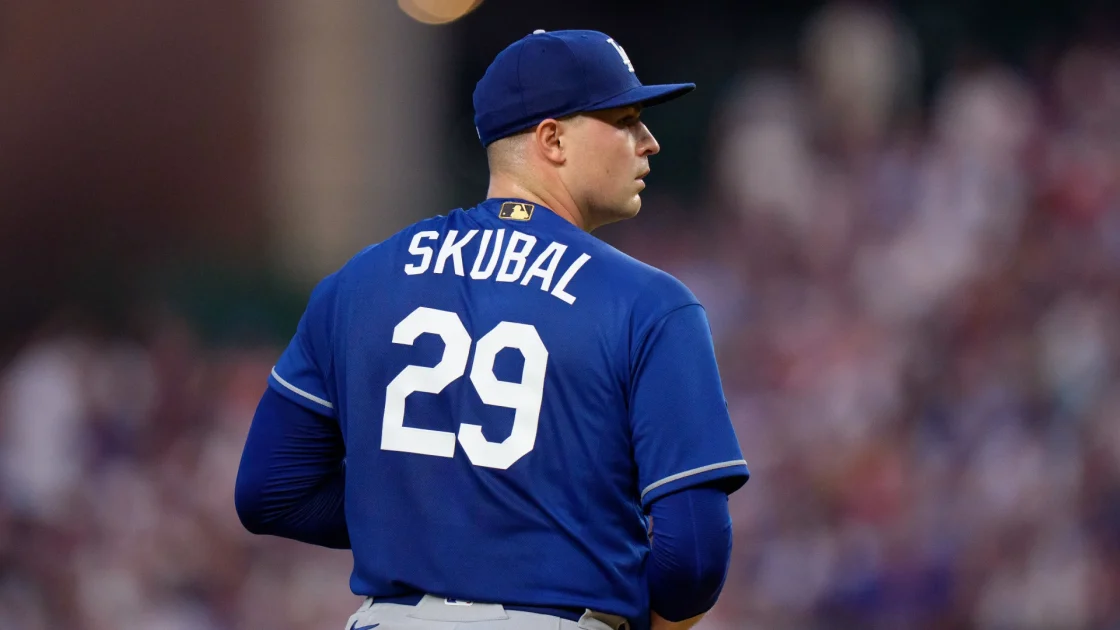
Tarik Skubal, widely regarded as the top free agent on the market, is expected to sign before the lockout, as reported by ESPN. Major spenders such as the Blue Jays, Cubs, Dodgers, and Mets are projected to pursue him, and clubs that miss out will likely pivot quickly to secondary targets to avoid losing out entirely. Last offseason, the Dodgers beat the Mets for Kyle Tucker on January 16, prompting New York to quickly agree to terms with Bo Bichette hours later. As soon as Skubal signs, second-tier starting pitchers like Freddy Peralta and Trevor Rogers are expected to quickly follow off the board.
Even if the MLB Players Association agrees to a salary cap under the new CBA, any new system is expected to be phased in over several years. Big-payroll organizations like the Dodgers, Mets, and Yankees would find immediate compliance impossible. Consequently, November serves as a prime opportunity for clubs to spend freely and have their current contracts grandfathered into the system. As Blue Jays president Mark Shapiro told Sportsnet last month, teams prepare under the current system and adjust along the way, noting that any new framework will include an adjustment timeframe rather than demanding immediate action.