Entering the 2026 NFL Draft, questions surrounded first-year head coach Mike LaFleur regarding his roster-building philosophy and foundational players. Although the offensive line appeared to be a priority for the offensive-minded coach, analysts debated whether a prospect merited the No. 3 overall selection or if taking the best player available was wiser.
Love’s Impact and the Opportunity Cost
Notre Dame running back Jeremiyah Love only entered draft conversations with the Cardinals during the final month before the selection. This sparked a debate over whether the franchise could afford a luxury position given its numerous roster needs, much like when Las Vegas chose Ashton Jeanty sixth overall in 2025 and regressed the following season.
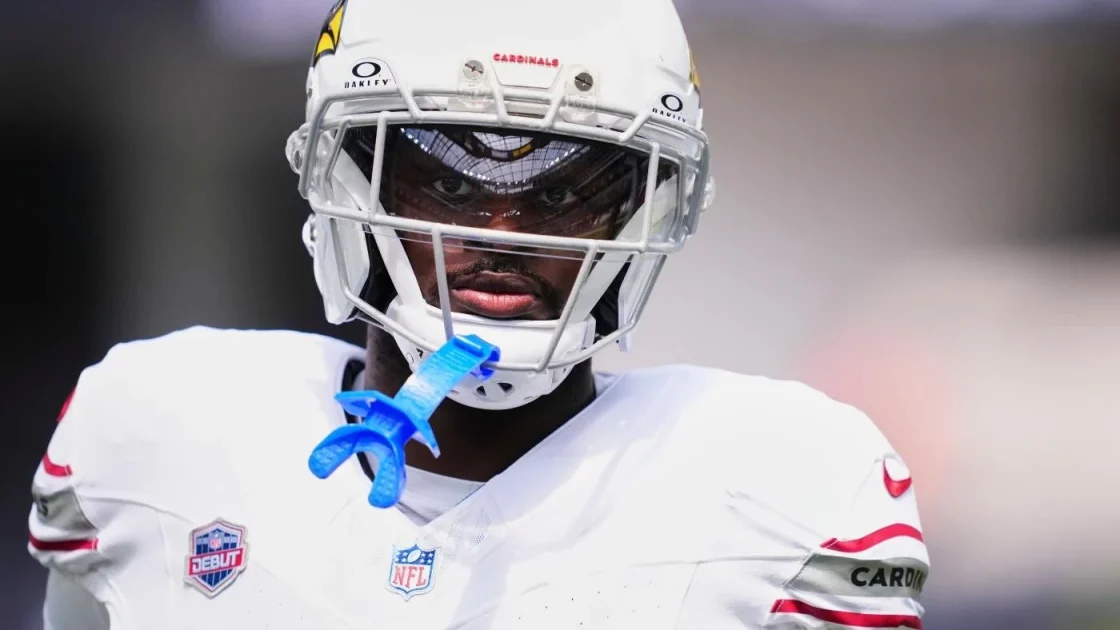
As reported by CBS Sports Headlines, the rookie running back has appeared in five games this season, missing additional time due to a high ankle sprain. Through Week 7, he has played 34.4% of the team’s offensive snaps, totaling 67 carries for 245 yards—averaging 3.7 yards per carry—with one rushing touchdown, alongside 11 receptions for 36 yards and another score through the air.
Free agent signing Tyler Allgeier has shared the offensive workload alongside him. Measuring 6 feet and 212 pounds, Love runs upright, exercises patience while waiting for blocks to develop, demonstrates strong vision, and possesses the skill set to play on all three downs. He stands tall in the pocket to pick up oncoming rushers, though he inconsistently sustains blocks before leaking out into routes. According to TruMedia data cited by CBS Sports Headlines, Love ranks last in tackle avoidance rate at 6.0% among running backs with a minimum of 50 carries.
Despite Love’s solid play, the Cardinals hold a 2-5 record. Critics of the selection point not to Love’s talent, but rather to the opportunity cost. His rookie contract carries the fourth-highest value and the largest guarantee among running backs. By comparison, wide receiver Carnell Tate, selected one spot later, holds a contract ranking tenth among wide receivers and second on his own roster.
Alternative draft options, such as top offensive tackle Spencer Fano or Arvell Reese, would have provided contracts of greater value and potentially higher on-field impact. A high draft investment in a running back functions best as the final piece of an established offense featuring a strong offensive line and a vertical passing threat. When those pieces are missing, investing a high draft choice becomes difficult to justify regardless of defensive needs.
Long-term Outlook
While Love may not currently rank among the league’s elite runners, he remains positioned to serve as a vital contributor throughout his rookie deal. As a prospect, he resembled an improved and more patient version of Travis Etienne, though assessing his ultimate ceiling remains unfair until the front office properly reinforces the offensive line.
League-wide perspectives on the position have shifted, with franchises showing increased willingness to sign running backs to extensions past their rookie deals. Players are maintaining productivity into their late 20s and early 30s, diminishing previous concerns about longevity. As the running game regains prominence across the NFL, the positional value is expected to grow.