Table of Content
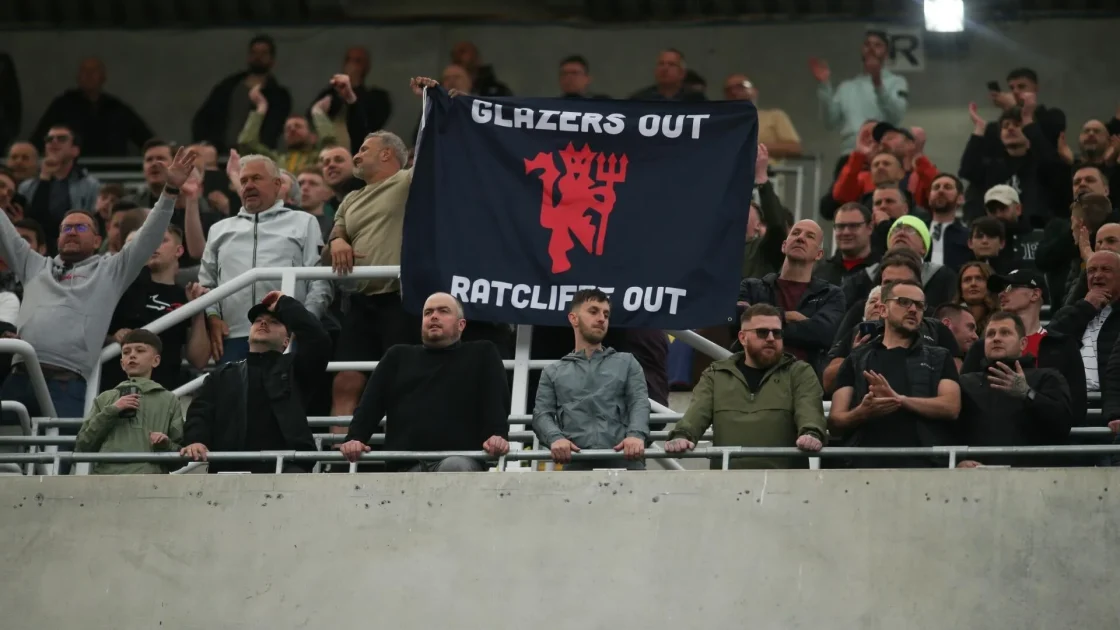
Another season at Old Trafford brings another familiar crisis for Manchester United, as supporters direct their anger toward the owners, executives, and players while knowing the head coach will ultimately pay the price. Sunday’s 3-0 defeat to AFC Bournemouth highlighted the deep-seated issues plaguing the club, mirroring previous losses to the same opponent at home.
5. Michael Carrick
The soon-to-be-former Manchester United manager carries some blame, as Bruno Fernandes pointed out following a 4-1 defeat in Como, with questionable tactical decisions and a failure to limit low-percentage shots from outside the box. Yet, no one realistically expected Carrick to be the long-term managerial saviour when he stepped in after Ruben Amorim’s departure. Carrick exceeded expectations by securing Champions League qualification with a third-place finish by keeping tactics simple and riding Bruno Fernandes’ strong form. However, a tough run of injuries, poor results, and player ill-discipline exposed his limitations, leading to chants of his name at Old Trafford on Sunday before the fans turned their frustration toward the rest of the club.
4. The unbearable weight of being Manchester United
Manchester United supporters maintain high expectations for a club that should be competing for titles. However, the organization easily spirals into despair and nostalgia at the slightest hint of trouble. Despite a recent wobble that included disappointing Premier League draws and a loss at Atletico Madrid, underlying metrics like expected goals suggested the team was performing better than a 16th-place ranking suggests. While the squad is not as strong as last season’s third-place finish implied, they are similarly not as poor as the relegation zone proximity indicates, representing a talented team vulnerable to a temporary slump.
3. The INEOS sporting hierarchy
Sir Jim Ratcliffe took control of football operations in February 2024 following a $.6 billion investment for a minority stake, promising a clear and steady path forward. In the two and a half years since, the club’s decisions have included publicly hunting for Erik ten Hag’s replacement, triggering his contract extension, spending over $400 million on players, sacking him months later, hiring Ruben Amorim, firing him shortly after, and cycling through managerial changes. Sporting director Jason Wilcox focused heavy spending on the attack and midfield while leaving the left-back position untouched, while the club ranks ninth in Premier League points and tenth in expected goal difference under INEOS leadership.
2. The players
Following the 3-0 loss to Bournemouth, Harry Maguire admitted that the team’s current output is nowhere near good enough. The playing squad has routinely outlasted multiple permanent managers without facing consequences for inconsistent performances, creating a culture where authority figures lack leverage. While the squad boasts undeniable talent in attack and midfield, along with capable defenders, the persistent cycle of managerial changes and lack of accountability suggests the players share significant responsibility for the club’s ongoing struggles.
1. The Glazers
More than two decades after Malcolm Glazer loaded debt onto Manchester United to fund his takeover, the club has suffered a steady institutional degradation. The owners have invested no personal money since the acquisition, costing the club at least $1.5 billion largely through servicing takeover debt, while 10 of the 15 major trophies won under their tenure came during Sir Alex Ferguson’s era. Although commercial revenues skyrocketed as the Premier League expanded globally, the Glazers operate as extractive landlords who provide minimal value. Their financial burden and indifference have left Old Trafford decaying and forced cost-cutting measures, ensuring that the culture of unaccountability at Manchester United stems directly from the top.