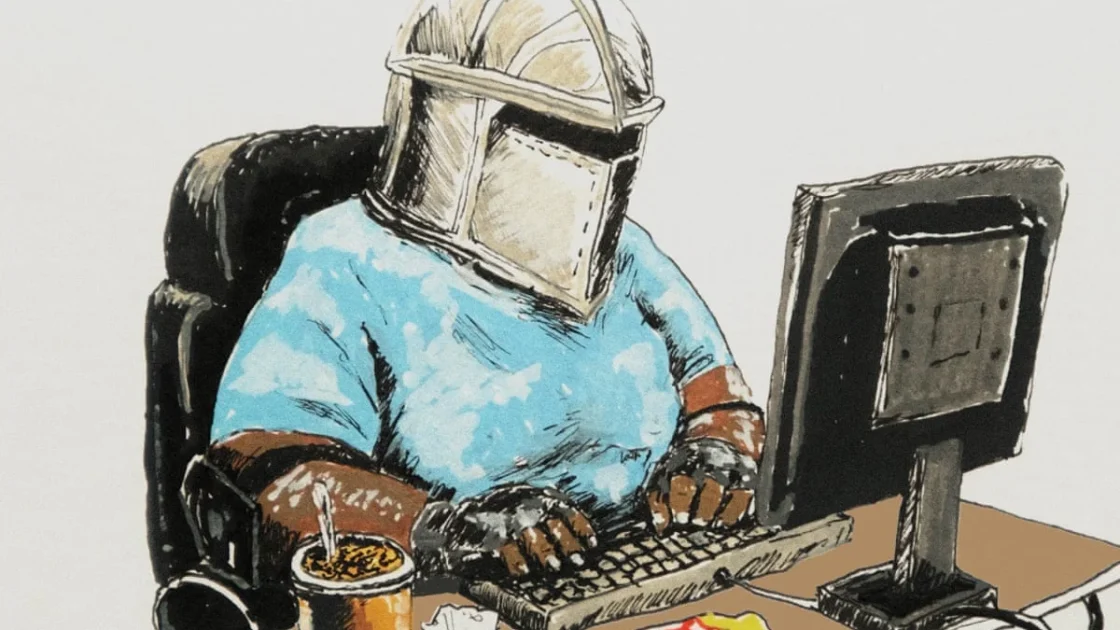
Female sports journalists have long dealt with workplace hurdles, but the rise of social media and short-form video content has transformed online hostility into a vicious and relentless daily onslaught. In reporting for Wisden Cricket Monthly, veteran cricket journalist Anjali Doshi and other prominent women in the industry reveal the shocking scale of gendered abuse, sexual harassment, and targeted trolling they face simply for sharing their professional opinions.
The Shift to Vicious Online Platforms
Working in print and television decades ago meant operating inside a relative bubble where direct contact from fans was rare. Today, platforms like Instagram, TikTok, and YouTube drive engagement through metrics and data, which often results in short clips acting as trailers that pull in hostile viewers lacking context or civility. Doshi noted a stark change upon returning to co-host Wisden’s show The Scoop, where expressing strong views on social issues within the sport immediately triggered an overwhelming wave of hate.
When Doshi questioned the use of imported Caucasian cheerleaders in the Indian Premier League—arguing it reflected a lingering colonial fetishisation of light skin—and critiqued Sunil Gavaskar’s provocative remarks regarding Pakistani players, the backlash was severe. She received explicit rape threats, racist slurs, and vitriolic messages telling her to return to the kitchen. Former South African fast bowler Dale Steyn also publicly misrepresented her comments about cheerleaders before ignoring her detailed written response.
Broader Experiences Across the Industry
Other prominent female figures in sports media share similar experiences of gendered harassment. Former England cricketer and World Cup winner Alex Hartley faced a tsunami of vile direct messages on Instagram, including a threat of gang rape, after she criticized the timing of Brendon McCullum’s coaching departure. Hartley noted that a current male player even messaged her to call her work rubbish after a commentary stint, treatment she believes would never be directed at a male colleague.
Melinda Farrell, a cricket presenter, journalist, and commentator, observed that while male journalists also receive criticism, their abuse is never gendered or sexualized. Farrell faced intense online backlash and stalking after speaking out on a podcast about Hampshire cricket club’s short-lived signing of Scott Kuggeleijn, who had previously been tried for rape. Farrell now practices self-censorship and posts less frequently to avoid the toxic maelstrom.
According to a global survey by the International Federation of Journalists cited in the report, nearly two-thirds of female journalists encounter online abuse and harassment, equating to an attack every 30 seconds. This unrelenting hostility frequently forces women out of the profession or restricts their public engagement.
Doshi concluded that while advice to ignore the comments is common, society must question what prompts such behavior and demand greater civility, kindness, and platform regulation. Drawing inspiration from the #MorethanMean campaign, Doshi emphasized a simple message for those who issue online hate: people should not type what they would never dare say to someone’s face.