Table of Content
Max Verstappen delivered a remarkable performance at the Sao Paulo Grand Prix by charging from 21st on the grid to finish second, supported by teammate Isack Hadjar in third place.
Outperforming Simulations
Verstappen’s progression through the field surprised the team because he had previously warned that overtaking would prove difficult with the 2026 car regulations at Interlagos. Despite voicing his displeasure with the balance of the RB22 at various points during the race, the Dutch driver found the necessary performance to climb through the pack.
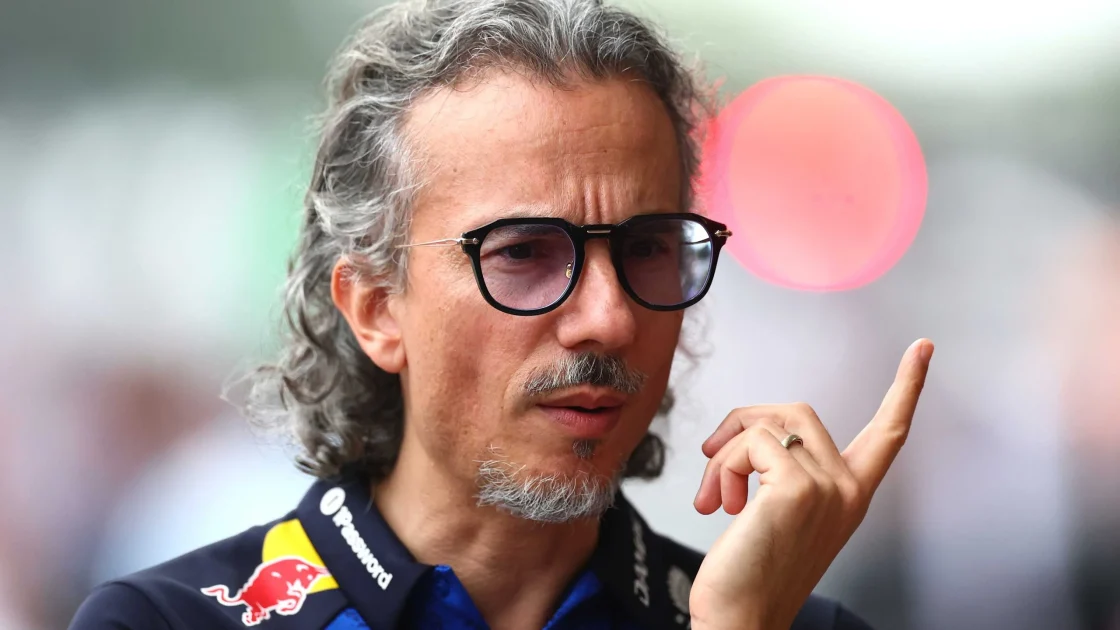
Red Bull Team Principal Laurent Mekies stated that the driver regularly exceeds expectations set by team technology. “As always, I think no sim in the world would predict that you go from P21 to P2, or that you get 14 places in five laps,” he said, as reported by Formula1.com. “There is no sim being able to do that. So he’s beating the sim on a regular basis!”
Unexpected Penalties and McLaren’s Pace
The starting position at the back of the grid was an unintended setback for the team heading into the weekend. Mekies explained that the penalty resulted from a minor issue encountered on Friday, which forced them to take their first power unit penalty of the season during the event.
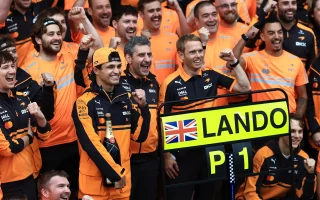
Mekies acknowledged that even starting near the front might not have been enough to defeat race winner Lando Norris and McLaren. He noted that McLaren appeared slightly faster on race pace and brought further upgrades to the weekend, leaving Red Bull to analyze dry-tyre balance issues and tire degradation to determine if they could have fought for the win.
Hadjar’s Strong Support and Progression
During the race, Hadjar assisted Verstappen’s charge by letting his teammate pass. Mekies revealed that the team considered swapping the positions back later if the cars remained close together, but increasing rain intensity and distance between the drivers made it impractical.
Mekies praised Hadjar’s overall weekend, describing it as the driver’s best race with the team in terms of pure pace across dry and intermediate conditions. This performance reinforced the team’s decision to confirm Hadjar for the 2027 season based on his consistent development.
Reflecting on the competitive grid, Mekies pointed out that four top teams are currently closely matched, with the top five cars in qualifying separated by just two-tenths of a second. He added that the convergence of performance under restrictive regulations means teams arrive at race weekends uncertain of who will win, creating a positive environment for the sport.