Table of Content
The path from a standout coordinator to an elite head coach remains evident across the league, exemplified by leaders like Seattle Seahawks coach Mike Macdonald, Kyle Shanahan, Sean McVay, Ben Johnson, and Liam Coen. Identifying the next breakout assistant can completely transform a franchise’s fortunes, and those coaching talents currently drive units on both sides of the ball.
As the 2026 NFL season reaches its halfway point, several new coordinators are delivering massive positive impacts for their teams. CBS Sports Headlines ranked the top 10 new coordinators, alongside a select group of honorable mentions including New York Jets offensive coordinator Frank Reich, Tampa Bay Buccaneers offensive coordinator Zac Robinson, and Buffalo Bills defensive coordinator Jim Leonhard.
Baltimore Ravens and Seattle Seahawks Offenses
Baltimore Ravens offensive coordinator Declan Doyle guided the team to the league’s seventh-best scoring offense, averaging 29.0 points through the first four weeks while Lamar Jackson remained healthy. Without Jackson since Week 5, Baltimore’s average dropped to 15.8 points per game, ranking fifth-lowest in the league. After defeating the Atlanta Falcons 30-23 in overtime with backup Tyler Huntley, the Ravens suffered three consecutive losses.
Seattle Seahawks offensive coordinator Brian Fleury navigated a challenging offseason involving significant roster turnover, including losing offensive coordinator Klint Kubiak to the Las Vegas Raiders and Super Bowl MVP Kenneth Walker to the Kansas City Chiefs. Fleury also lost quarterback Sam Darnold to a glute injury on the season’s opening drive, contributing to Darnold’s league-worst -0.67 expected points added per dropback when pressured. Despite running back injuries keeping Zach Charbonnet and rookie Jadarian Price from being active together until Week 8, Fleury maintained exceptional production from wide receiver Jaxon Smith-Njigba, who joined a historic list of players with over 900 receiving yards and nine touchdowns through their first eight games.
Cleveland Browns and Giants Defenses
Cleveland Browns defensive coordinator Mike Rutenberg silenced doubts about maintaining a top-half defense following the exits of Jim Schwartz and Myles Garrett. Rutenberg engineered the NFL’s 13th-ranked scoring defense, allowing 21.6 points per game, while tying for the seventh-lowest red zone touchdown rate at 48 percent. Utilizing a collective pass rush where 11 players recorded at least one sack without relying heavily on a blitz, Cleveland stayed competitive at 5-3.
New York Giants defensive coordinator Dennard Wilson kept his unit afloat with a league-average scoring defense allowing 23.0 points per game despite losing Brian Burns for the season in Week 3. Wilson utilized creative pressure packages with the NFL’s third-highest blitz rate at 41.9%, limiting opponents to just 6.1 yards per pass attempt to help propel the Giants to the top of the NFC East.
Giants and Chiefs Offenses
New York Giants offensive coordinator Matt Nagy maximized a rotating quarterback room featuring an injured Jaxson Dart, Jameis Winston, and J.J. McCarthy to produce the 14th-best scoring offense at 23.3 points per game. Nagy became the first team leader since the 2016 New England Patriots to pilot three different starting quarterbacks to wins before November, while keeping Pro Bowl wide receiver Malik Nabers heavily involved.
Kansas City Chiefs offensive coordinator Eric Bieniemy returned for a second stint with the franchise, shifting the offensive philosophy from deep passing to ground production centered around Kenneth Walker III. Walker ranked third in rushing yards with 770, helping the 5-2 Chiefs secure the 11th-highest scoring output despite relying on 37-year-old Travis Kelce as the primary target.
San Francisco 49ers and Detroit Lions Units
San Francisco 49ers defensive coordinator Raheem Morris anchored the league’s number-one seed through eight weeks, directing the sixth-best scoring defense (19.9 points per game), fourth-best total defense, and fifth-best run defense. Morris achieved these numbers despite the 49ers possessing the football two minutes less than opponents on average due to offensive passing struggles caused by injuries.
Detroit Lions offensive coordinator Drew Petzing oversaw the NFL’s third-best scoring offense at 29.0 points per game, featuring veteran stars alongside running back Jahmyr Gibbs. Petzing maximized Gibbs’ abilities following the departure of David Montgomery, leading to Gibbs’ third 150-yard rushing game of the season during a narrow loss to the Minnesota Vikings.
Pittsburgh Steelers Defense
Pittsburgh Steelers defensive coordinator Patrick Graham revitalized the team’s defense, producing units that rank third in scoring defense (18.0 points allowed), sixth in total defense, third in run defense, and tied for third in takeaways with 13. Edge rusher T.J. Watt contributed 7.5 sacks through eight games, helping the Steelers secure a league-leading 26 total sacks after a dominant 27-6 victory over the Cleveland Browns.
Green Bay Packers Defense
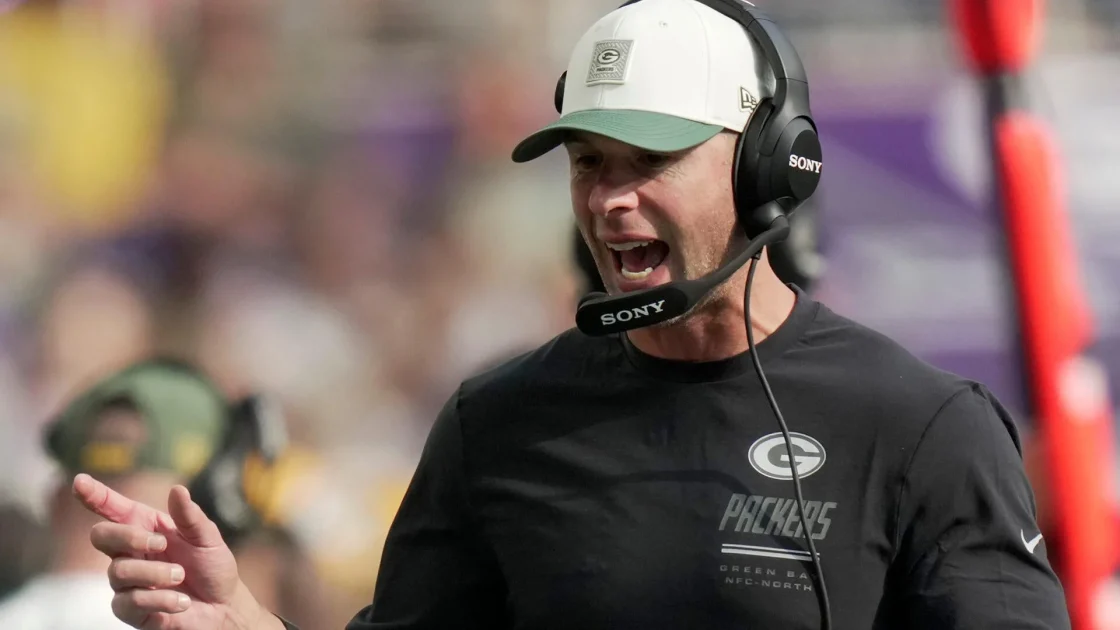
Green Bay Packers defensive coordinator Jonathan Gannon claimed the top spot in his first season with the franchise, maintaining a 5-3 record and top-10 rankings in scoring defense (20.5 points allowed) and total defense (314.9 yards allowed). Gannon accomplished this despite missing star edge rusher Micah Parsons to a torn ACL and linebacker Edgerrin Cooper to a torn Achilles, leaving his unit on the field for an average time of possession of 31:36 due to the league’s lowest-ranked rushing offense.
Operating without a high-volume blitz scheme, Gannon developed young talent, helping edge rusher Lukas Van Ness reach a career-high 4.5 sacks while maximizing the safety play of All-Pro Xavier McKinney and fourth-round pick Evan Williams. “Honestly man, JG is not scared. He is not shying away from things because we lost a couple of players. He is still going to dial that shit up you know what I mean?” said Packers safety Javon Bullard following a Week 8 victory, as reported by NBC 26 in Green Bay. Gannon’s aggressive approach and ability to elevate defensive players positioned him at the peak of the midseason coordinator rankings.