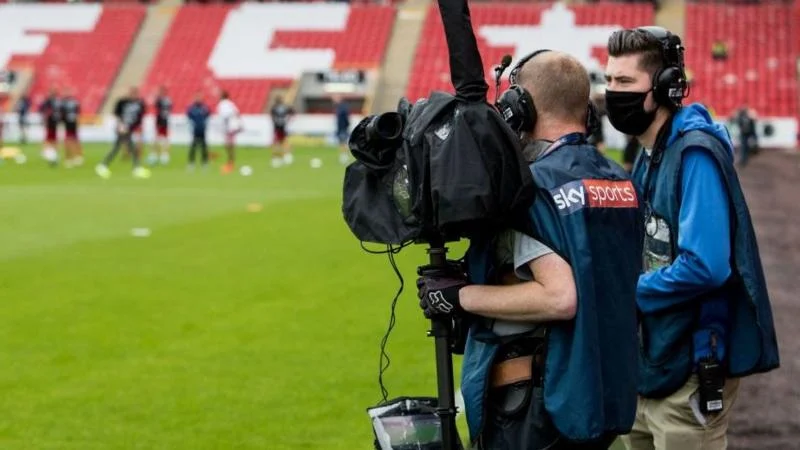
Scottish football has taken the initial steps toward ending the traditional 3pm television blackout as league officials begin seeking offers for the upcoming broadcast cycle. The SPFL stated that it remains flexible regarding the quantity of matches included in the new agreement, which takes effect from the 2029-30 season.
Exploring Flexible Broadcast Options
According to BBC Sport reporting, this flexibility encompasses the potential for broadcasters to submit bids for every match live, including those scheduled for Saturday afternoons. The SPFL has developed a tender offering maximum flexibility, provided the interested broadcaster does not enforce Article 48 of the Uefa Statutes.
Article 48 grants national leagues the authority to designate specific periods when live television broadcasts of matches are prohibited. This rule can only be implemented when half of the fixtures in a country’s top two tiers occur simultaneously.
While various European nations have tested lifting the blackout, it currently remains active only within the UK during Saturday afternoons between 2:45pm and 5:15pm. Alternative leagues now typically stagger match times to prevent top divisions from playing concurrently, which prevents the blackout rule from taking effect.
Throughout the UK, 3.00pm continues to serve as the standard default start time for competitions ranging from the elite level down to non-league teams. The regulation was originally established amid concerns that televised afternoon matches might diminish ticket sales, impacting both participating clubs and lower-tier organizations.
Industry Shifts and Future Decisions
As digital streaming continues to expand in popularity, detractors contend that the restriction limits clubs from capitalizing on this financial avenue. This impact is felt particularly acutely among lower-tier clubs, which must comply with the blackout restrictions and are barred from broadcasting their matches online.
The Cymru Premier, Wales’ top flight featuring a blend of professional and semi-professional teams, abandoned the blackout during the summer to adopt a streaming format covering all matches. Premier League chief executive Richard Masters suggested in August that the trajectory points toward removing the blackout, though any final choice remains at least 18 months away and requires coordination with the EFL and the FA.
The upcoming media rights cycle presents a distinct chance for various competitions to align and achieve agreement, given that the television contracts for the Premier League, EFL, and SPFL all expire concurrently in 2028-29. Although the option to broadcast every fixture is available in Scotland, selecting that path remains entirely uncertain.
Present arrangements permit Sky Sports to broadcast a maximum of 60 Premiership fixtures annually, alongside Premier Sports airing up to 22 matches. With the top division comprising a total of 228 fixtures, current television packages cover merely 36 percent of all live matches.
The new tender permits television companies to propose any configuration of live match coverage they prefer. Ultimate approval rests with the 12 member clubs of the Scottish Premiership, where a threshold of eight votes is necessary to ratify any broadcast agreement. Clubs retain the authority to decline any proposed package that incorporates Saturday afternoon fixtures, and any potential removal of the blackout in Scotland would not automatically compel English, Welsh pyramid, or Northern Irish competitions to adopt the same approach.