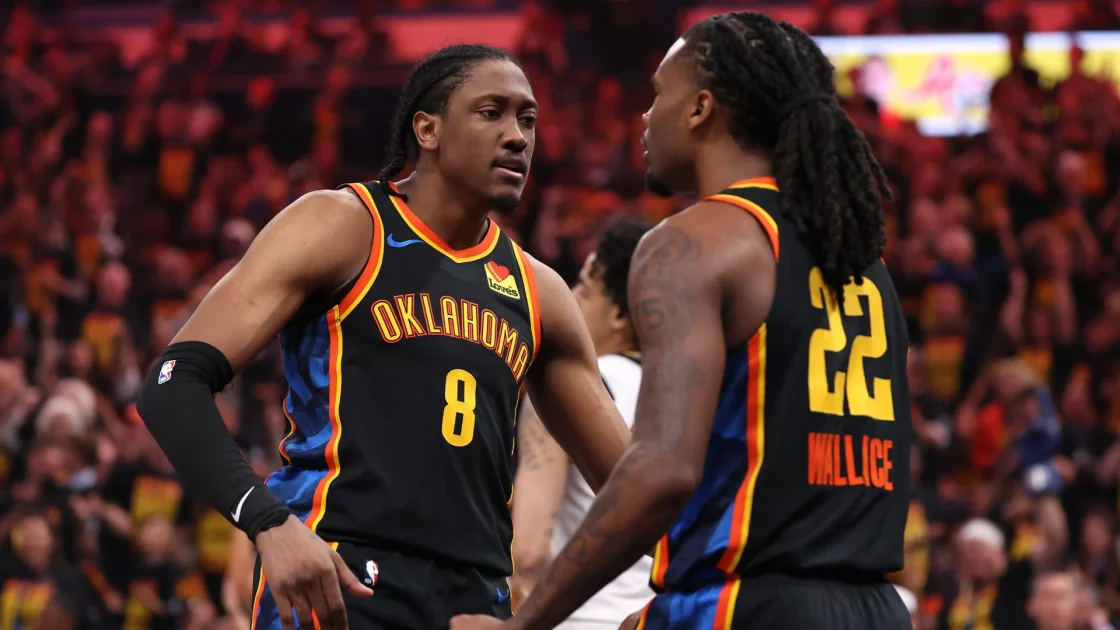
The Oklahoma City Thunder enter the 2026-27 season facing a massive challenge after star player Jalen Williams suffered a severe ankle injury during a game against the Los Angeles Clippers, according to CBS Sports Headlines. Williams sustained a dislocated left ankle and a fractured fibula on an attempted dunk, requiring surgery that will sideline him for several months and potentially the entire season. Compounding the team’s woes, starting shooting guard Cason Wallace has a torn labrum in his left shoulder, which also requires surgery and an extended absence.
Western Conference Impact and Regular-Season Resilience
The Thunder previously demonstrated remarkable resilience without Williams, going 39-10 without him a year ago at a 65-win pace. While the organization is accustomed to winning shorthanded and maintains an elite infrastructure around MVP Shai Gilgeous-Alexander, the injuries drastically alter the championship picture. The measuring stick in the West remains the San Antonio Spurs, whose star Victor Wembanyama presents unique defensive challenges that Gilgeous-Alexander struggled to overcome in the previous postseason.
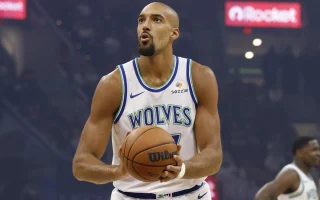
With rival contenders like the Los Angeles Lakers, Houston Rockets, and Minnesota Timberwolves off to strong starts, the Thunder’s massive talent advantage has evaporated. General manager Sam Presti addressed the team’s situation at a Monday press conference, stating that initial priorities rest entirely with the injured players and their medical information rather than immediate roster moves. Presti noted, as reported by CBS Sports Headlines, that roughly one-third of the league remains untradable due to contractual restrictions that lift in December and January, giving the front office time to evaluate their standing.
Trade Market Realities and Long-Term Outlook
Finding external replacements on the trade market is complicated by salary constraints and the second apron. The Thunder retain about $7 million in second apron room from a previous offseason pursuit, which could open the door for a modest acquisition in the $7-10 million range, such as Derrick Jones Jr. or Herb Jones. More ambitious additions using their $17.7 million trade exception, like Rui Hachimura or Max Strus, would require the team to shed salary elsewhere to stay below the second apron.
Trading for a star-level player is difficult because Oklahoma City’s draft pick surplus diminishes significantly after 2027, and the team lacks mid-tier matching salaries since trading players like Lu Dort, Isaiah Joe, and Aaron Wiggins to dodge the second apron. While a player like Trey Murphy matches positional needs, his $27 million salary would require including defensive stalwart Alex Caruso, a loss the team would likely reject. Furthermore, trading either Williams or Wallace long-term appears exceptionally unlikely due to their contracts, player-friendly organizational values, and depressed trade value following major injuries.
For now, the Thunder will monitor how the next few months unfold and observe how the roster performs before rushing into any major decisions.