Table of Content
Left-hander and two-time AL Cy Young winner Tarik Skubal is widely viewed as the premier free agent available this offseason, with expectations pointing toward a record-setting contract. The looming expiration of the collective bargaining agreement at 11:59 p.m. ET on Dec. 1—which is expected to bring a player lockout barring a surprise agreement—creates a deadline for Skubal to sign before then.
Contract Landscape and Potential Alternatives
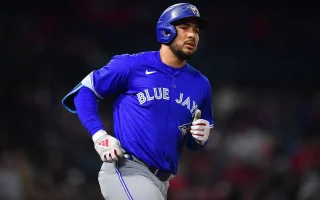
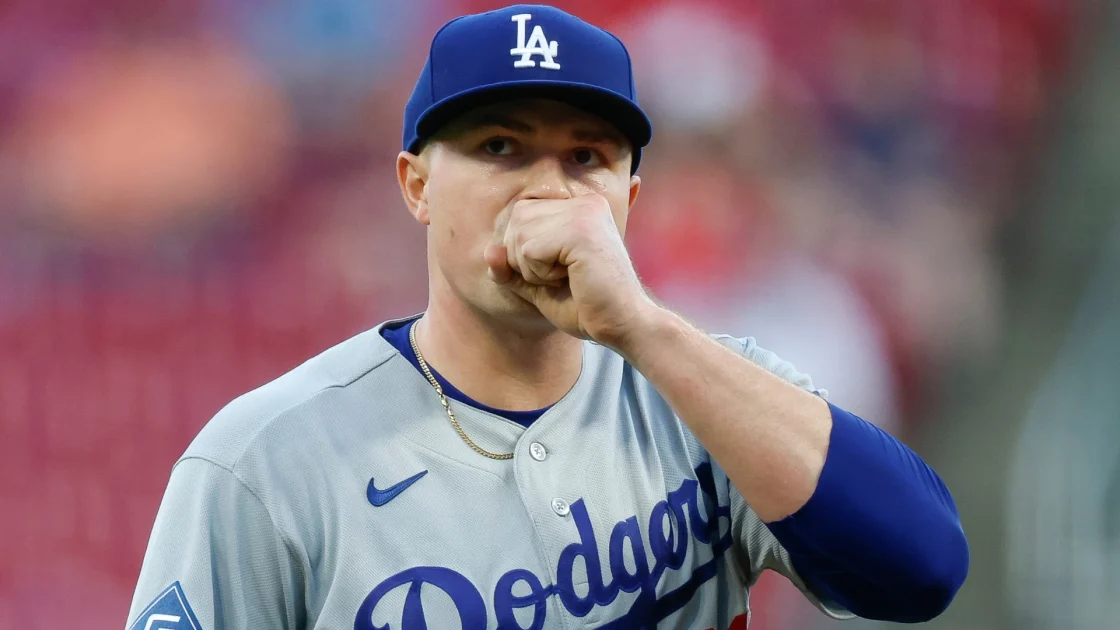
Approaching his 30th birthday later this month, Skubal is represented by Scott Boras, an agent known for shattering financial benchmarks rather than narrowly beating them. There is a strong possibility Skubal could command a deal surpassing $400 million in the coming weeks, which would eclipse existing records for total guarantees and average annual value among pitchers. Prominent big-market organizations, including the Dodgers, Mets, and Blue Jays, are reportedly pursuing the prime ace.
At the same time, some alternative structures remain possible. The Athletic reported that the Dodgers prefer a short-term arrangement featuring a high annual salary, akin to past paths taken by players like Max Fried, Framber Valdez, Bo Bichette, or Kyle Tucker. Conversely, ESPN reported that Skubal currently holds no interest in such a deal, though player stances can evolve.
Pros of a High-Dollar, Short-Term Contract
A short-term, high-AAV contract typically spans three or four years and includes player opt-outs, giving the athlete flexibility without necessarily forcing a return to free agency since opt-outs can also be leveraged to negotiate extensions.
First, this approach allows a player to maximize career earnings. By returning to free agency as soon as next offseason, Skubal could benefit if market demand climbs even higher, potentially aided by future changes such as a salary floor that might prompt small-market contenders like the Rays or Guardians to spend heavily.
Second, it offers a chance to set additional records. Having already established an arbitration salary record of $32 million for 2026 and positioned to set a new standard for pitcher contracts, Skubal could break his own benchmarks by re-entering the market in a year or two.
Third, shorter commitments provide the freedom to change teams. Situations do not always unfold as expected—such as Juan Soto missing the postseason during the initial years of his contract with the Mets—and a short-term deal serves as an escape hatch if a player encounters issues with team competitiveness, coaching staff, or other personal preferences.
Cons of a Short-Term Approach
On the downside, injury and performance risks represent significant factors. Although Skubal presents a relatively stable profile on a long-term pact, pitching inherently carries physical vulnerability, evidenced by three prior elbow surgeries including Tommy John in 2017 and a minor procedure in May. Suffering a serious injury or experiencing a performance decline could prevent him from utilizing opt-outs to secure a larger deal, ultimately leaving money on the table.
Additionally, potential regulatory shifts pose a threat. The upcoming collective bargaining agreement could introduce a salary cap along with contract restrictions, such as limits of five years at 15% of the cap for players switching teams or six years at 16% for those staying put. Even if a cap is avoided and stiffer competitive balance tax penalties remain, future market restrictions could reduce his future earning power, making the current open market his best opportunity.
The collective bargaining agreement deadline on Dec. 1 serves as the crucial timeline for Skubal and his suitors to finalize an agreement before a potential owner lockout takes effect.