Table of Content
England fans tuning in to watch South Africa’s enthralling series victory over Australia have received a clear picture of the challenges awaiting them this winter. The Proteas secured a final-day triumph to reaffirm their status as the world’s best side, providing plenty of tactical clues for both England’s upcoming tour and next summer’s Ashes.
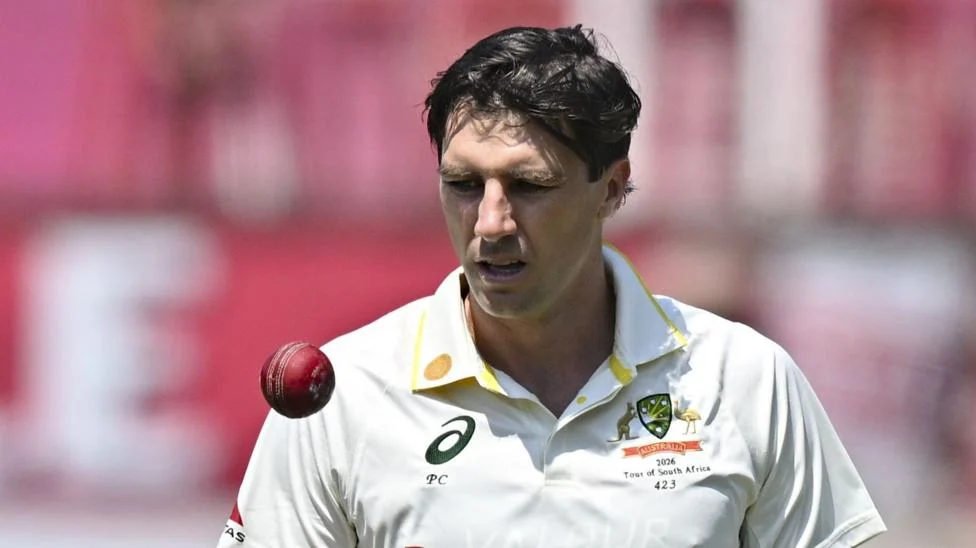
Cummins endures tough series
As reported by BBC Sport, Australia captain Pat Cummins defended his squad by stating they remain a strong team, despite losing the top spot in the Test rankings for the first time in two and a half years. Australia’s squad currently features an ageing bowling attack and a batting order caught between generations, while Cummins himself faced unusual scrutiny.
As part of Australia’s famous pace trio alongside Mitchell Starc and Josh Hazlewood, Cummins went more than 62 overs without taking a wicket between the first and third Tests. He finished the series with a bowling average of 53.66, his second-worst in any series, and faced tactical criticism for electing to bowl first in Cape Town.
England’s need for a spinner
Since Joe Root returned to the Test captaincy, England have avoided picking a frontline spinner and favored a four-man pace attack. However, South Africa’s victory in the third Test indicates that approach may need revision.
Off-spinner Simon Harmer claimed 10-120 to spin the Proteas to victory at Newlands, where the pitch generated significant turn from the third day. Harmer benefited from left-arm quicks Starc and Marco Jansen creating footmarks outside the right-handers’ off stump. England face longstanding spin dilemmas involving options like Shoaib Bashir, Jack Leach, Mason Crane, or Liam Patterson-White.
Exposing batting frailties
Employing a spinner would allow England to target a clear vulnerability in South Africa’s batting lineup. Proteas captain Temba Bavuma fell to off-spin in four of his five innings against Australia, with his average against spin dropping significantly since the start of 2025.
At the same time, South Africa’s struggles against the short ball persisted in the third Test, where seven wickets fell to the hook or pull shot. Despite these issues, their lower order continually added crucial runs as the ball softened, highlighting the value of batting time rather than chasing quick runs.
Handling Matt Renshaw
Matt Renshaw emerged as a major positive for Australia, finishing as the highest run-scorer with an average of 61.50 after returning to the side. With Marnus Labuschagne enduring a 49-innings drought without a Test century and facing the drop, Renshaw’s performances suggest Australia may have solved their opening vacancy.
Before the Ashes, England will play Australia in a one-off 150th-anniversary Test in Melbourne in March under new leadership. England’s squad, led by Stephen Fleming, can use that fixture to formulate plans against Renshaw.