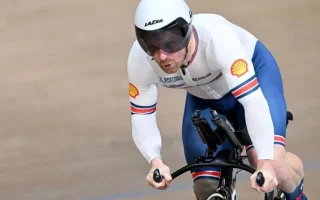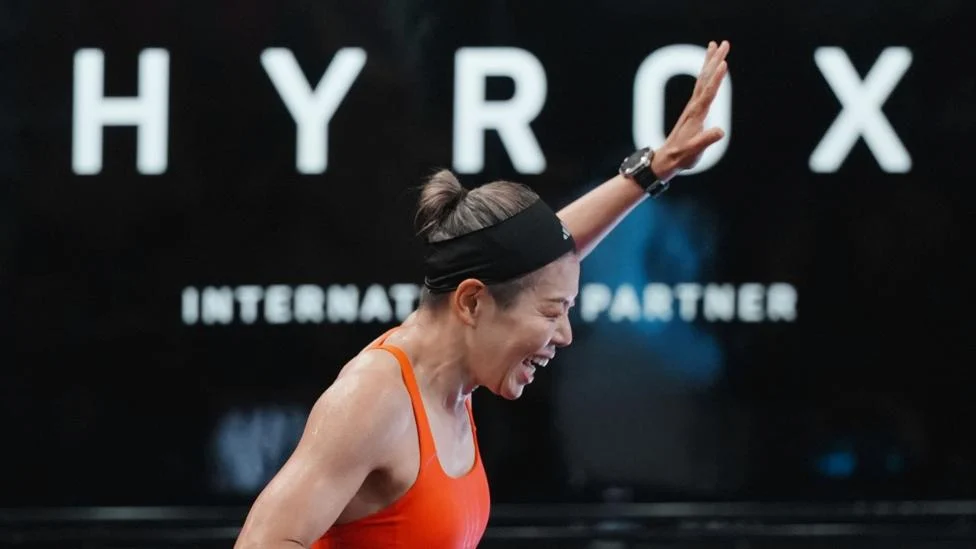
Fitness phenomenon Hyrox has taken a significant step toward its goal of securing inclusion in the Olympic and Paralympic Games by forming a partnership with World Triathlon. The agreement establishes hybrid racing as an officially recognized discipline under the global governing body for triathlon.
Olympic Ambitions and Format Changes
World Triathlon and Hyrox stated that achieving Olympic and Paralympic status for the discipline remains their ultimate ambition. As part of the collaboration, the fitness competition will feature three sanctioned formats: ultimate, fast, and ultra.
World Triathlon president Antonio Arimany described hybrid racing as a natural evolution for their movement. He noted that the partnership will accelerate global growth and create new opportunities for national federations to increase participation and engage new audiences.
Hyrox co-founder Christian Toetzke stated that the company’s objective from the outset was to build a global sport capable of reaching the world’s biggest athletic stage. He added that partnering with World Triathlon is a monumental step toward making hybrid racing an Olympic sport.
Athlete Reactions and Sport Background
The announcement drew mixed reactions from established triathletes. Great Britain’s Olympic triathlon champion Alex Yee shared a social media poll where 82% of his followers voted against the move, while British athlete Max Stapley criticized the partnership on Instagram. Polish Olympic triathlete Roksana Slupek also questioned what triathlon stands to gain, stating the two sports share nothing in common.
Established in 2017, Hyrox is an indoor competition where participants complete eight legs consisting of a one-kilometer run interspersed with fitness stations. These stations feature a standing ski machine, sled push and pull, burpee broad jumps, rowing, kettlebell carries, sandbag lunges, and medicine ball wall throws, with annual world championships held for singles and doubles competitors.
Under the new agreement, Hyrox will continue managing elite world, continental, and national championships for the ultimate format, while the fast and ultra formats introduce high-intensity and extended adaptations to hybrid racing. Eligibility for the Olympic and Paralympic Games requires sports to be governed by recognized international federations that comply with the Olympic Charter, the World Anti-Doping Code, and the Olympic Movement Code on the Prevention of the Manipulation of Competition, requirements fulfilled by World Triathlon.