Table of Content
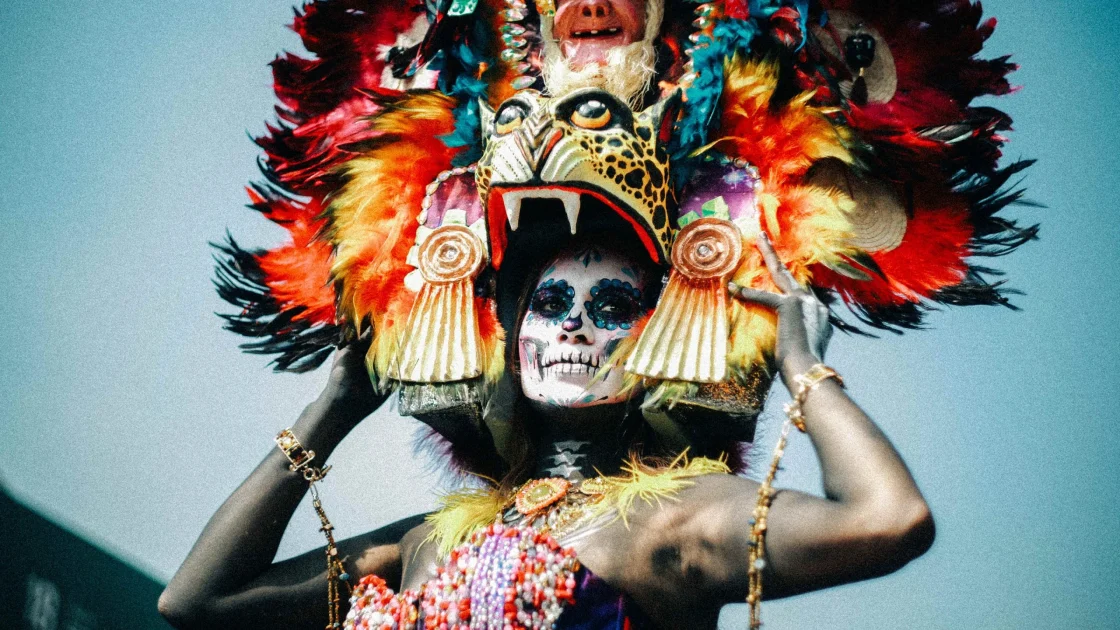
The Mexico City Grand Prix is celebrated for its vibrant crowds and festive atmosphere, often coinciding with one of Mexico’s most important cultural traditions, Dia de Muertos. As Formula 1 visits the Autodromo Hermanos Rodriguez, the paddock regularly embraces the occasion through themed driver helmets, intricate face paint, and cultural displays.
Understanding Dia de Muertos
As reported by Latest F1 News (formula1.com), Dia de Muertos is a vibrant celebration of life and remembrance rather than a solely mournful occasion. Rooted in pre-Hispanic traditions blended with Spanish Catholic observances, the festival centers on the belief that deceased loved ones can temporarily return to the living world. The festival takes place around the beginning of November, with November 1 traditionally associated with remembering children who have passed away, and November 2 dedicated to adults. Families reconnect with lost relatives through their favorite foods, personal items, and shared memories, decorating homes and cemeteries with candles, flowers, and offerings. UNESCO recognized the cultural significance of the tradition by inscribing it on the Representative List of the Intangible Cultural Heritage of Humanity in 2008 following a 2003 proclamation.
Helmets Inspired by Mexican Heritage
Formula 1 drivers frequently incorporate Mexican artwork into special helmet designs for the race weekend. Carlos Sainz unveiled a Dia de Muertos helmet in 2024 featuring a colorful skull motif and a chilli pepper referencing his nickname, subsequently winning the race for Ferrari. Pierre Gasly also ran a special design that year, though Sergio Perez has embraced the heritage most consistently.
For his 2022 home race, Perez debuted a helmet featuring La Catrina, an elegantly dressed skeletal figure created by Mexican printmaker Jose Guadalupe Posada and popularized by artist Diego Rivera. The design also included papel picado, traditional decorative paper banners created by cutting intricate patterns into colored tissue paper. The following year, Perez showcased another helmet designed by Mexican artist Karla Lozano, incorporating papel picado and alebrijes, which are folk art sculptures also seen during contemporary celebrations.
Paddock Festivities and Traditional Symbols
The Mexico City paddock features extensive decorations and performances reflecting the holiday. At the 2016 event, Red Bull teammates Max Verstappen and Daniel Ricciardo arrived for media duties wearing skull-inspired face paint echoing the calavera imagery seen during the holiday, while Mercedes decorated their hospitality area. Charles Leclerc made a memorable entrance in 2024 wearing a traditional charro-style outfit associated with mariachi musicians while carrying a cempasuchil flower.
Performers dressed as Catrinas regularly welcome drivers to the paddock by handing out bright orange cempasuchil flowers, or Mexican marigolds. These flowers are traditionally used to guide the spirits of deceased loved ones back to their families, with petals often arranged along pathways leading to altars.
Culinary Traditions and Circuit Offerings
Food holds a central place in Dia de Muertos, inspiring engaging activities for drivers away from the track. During the 2024 race weekend, Oscar Piastri prepared guacamole alongside a Dia de Muertos performer in the paddock. Families prepare favorite dishes of deceased relatives and place them on ofrendas, ranging from tamales and mole to fruit, sweets, and drinks.
Pan de muerto, a traditional sweet bread flavored with orange blossom or citrus and topped with sugar, is the most recognizable seasonal specialty. Circuit organizers confirmed that visitors at the track can sample various regional varieties and filled alternatives during the event.
Honoring the Motorsport Community with Ofrendas
The ofrenda, an altar created in homes, cemeteries, and public spaces, brings together photographs, personal belongings, and offerings to honor deceased loved ones. For the upcoming 2026 Mexico City Grand Prix, organizers confirmed that an altar de muertos will be installed in the circuit’s Blue Zone, dedicated to members of the motorsport community who have passed away.
With the Grand Prix taking place on November 1, the display connects Mexico’s tradition of remembrance with the individuals who shaped the sport’s history. Beyond the elaborate artwork and celebrations, Dia de Muertos remains an occasion for honoring those who are no longer here, ensuring their memories continue to be shared.