Table of Content
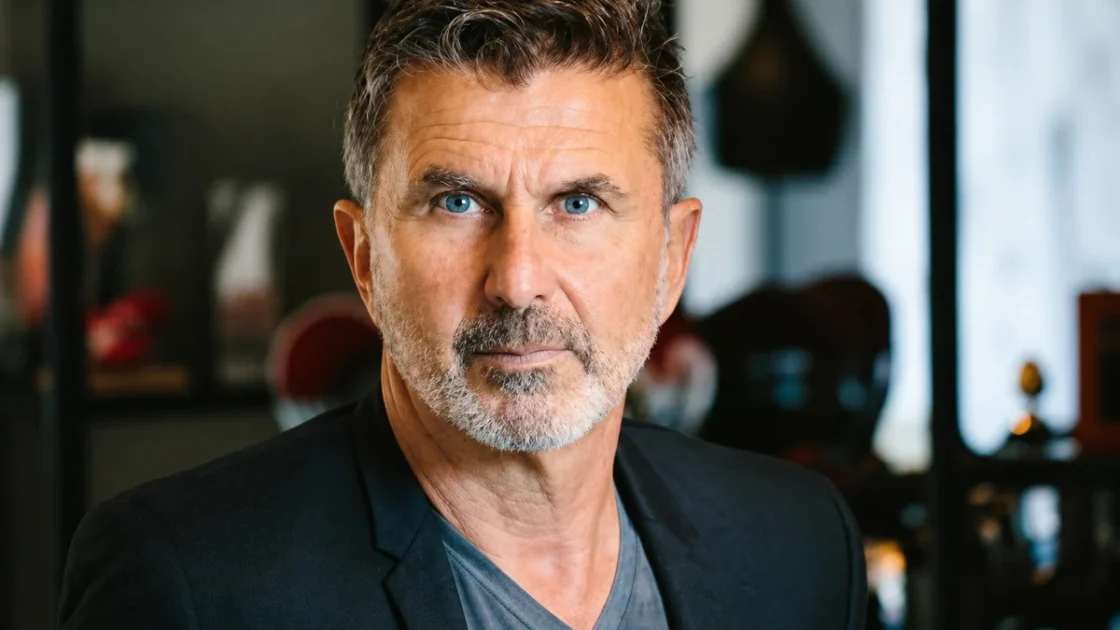
Formula 1 driver manager Enrico Zanarini is celebrating five decades in the motorsport paddock, reflecting on a career that spans from 1975 to the present day. Motorsport.com reported that Zanarini has worked across multiple eras with champions and young prospects alike, guided by a philosophy rooted in close personal bonds and resilience.
From a Ruined Lap to a Lifelong Motto
Zanarini recalled a critical turning point at the 1993 Portuguese Grand Prix while managing Emanuele Naspetti. During a crucial qualifying session, Naspetti needed to outperform Rubens Barrichello to secure his Formula 1 future, but Ayrton Senna exited the pits directly into his path, destroying his final timed lap. A devastated Zanarini sat watching television in the paddock afterward, where a Nike commercial concluded with the words: “Try Harder.”
He told Motorsport.com that this phrase became one of his guiding principles, proving that setbacks require a renewed and improved effort.
Building Lasting Bonds with Drivers
Unlike standard management approaches, Zanarini maintains that managers live alongside drivers daily, forming relationships akin to family. He cited Eddie Irvine as a driver who tested him with extreme mood swings regarding his private life, yet the two remain close friends decades later, recently vacationing together in Peru.
Zanarini noted that while drivers today face constant distractions from technology and social media, their core competitive drive behind the wheel remains identical to past generations.
Ethics, Experience, and the Ferrari Partnership
Over the decades, team academies have shifted the landscape, with Red Bull and Mercedes adopting particularly authoritarian approaches toward independent managers. In contrast, Zanarini praised Ferrari, Haas, and McLaren for respecting his agency’s work, forming a foundation that attracted current Haas F1 driver Rafael Camara.
Zanarini emphasized that strict professional ethics and half a century of accumulated experience are his greatest assets in preparing young talents for unexpected scenarios.
Managing Expectations and Parents
Preparing Camara for his F1 debut required shifting the rookie’s mindset from chasing race wins to adapting to a team where success is measured differently. Zanarini noted that comparing raw talent brings Giancarlo Fisichella to mind, though their personalities differ entirely.
He also highlighted the often-overlooked challenge of “parent management,” noting that guiding families through the intense emotional bond of racing is frequently more demanding than handling the drivers themselves.
A Shift in Paddock Culture
Recalling past encounters, Zanarini contrasted former McLaren boss Ron Dennis, whom he described as arrogant during a 2003 meeting regarding Giancarlo Fisichella, with current leadership like Zak Brown. Zanarini praised Brown for his approachable, listener-first philosophy.
Overall, Zanarini believes today’s F1 paddock under Liberty Media features more structured dialogue and far less individual arrogance than the Bernie Ecclestone era.
The Next Generation
After 50 years, Zanarini stated he has no intention of leaving motorsport, declaring that he would not survive quitting. However, he has begun passing the torch to Francesco Principe, who now leads the Rafael Camara project.
Zanarini considers Principe his professional creation and surrogate son, ensuring that his decades of experience and the agency’s work will continue to thrive in the paddock.