Table of Content
Getting a seat in Formula 1 is the ultimate pinnacle for any racing driver, but 166 competitors have experienced the thrill of a single grand prix start. BBC Sport explored the diverse stories behind these one-race wonders, from historic substitutes of the 1960s and 1970s to modern helmet-for-hire appearances.
Modern Super-Subs and Rare Opportunities
As BBC Sport reported, Japan’s Ryo Hirakawa fulfilled his dream last month by driving for Haas at the Mexico City Grand Prix following Esteban Ocon’s departure. Hirakawa expressed joy after scoring a point following subsequent penalties for other drivers, noting he just needed to taste the moment. Within a week, however, Toyota factory driver Hirakawa was replaced because Haas drafted in 2027 driver Rafael Camara early. Hirakawa served as a reserve driver due to the team’s partnership with Toyota.
Formula 1 test and reserve drivers rarely make it to the grid, and those who do typically secure only one shot at unlikely glory. Years of preparation are required just to stand in a pit garage, with injuries, sponsorship failures, and rule-breaking among the reasons aspirations fall short.
Tiff Needell’s 1980 Belgian Grand Prix Journey
Tiff Needell, widely known for his television work on Top Gear, secured his big break at the 1980 Belgian Grand Prix after starting his path in the media. Needell explained to BBC Sport that he won a car in a magazine competition and worked as a civil engineer five days a week while acting as a mechanic at night and racing on weekends. After climbing to Formula 3 and the British championship, he received a sudden call from Ensign while visiting the Nurburgring because Clay Regazzoni had injured his back at Long Beach.
Old-school F1 required drivers to pre-qualify, and Needell successfully placed his Ensign 23rd on the grid alongside double world champion Emerson Fittipaldi. His family and girlfriend drove to Belgium in a family car to watch from the crowd. Needell recalled humming Fleetwood Mac’s The Chain on the grid, battling Fittipaldi for last place for 12 laps before his engine broke. A failed attempt to qualify for Monaco a week later ended his F1 ambitions, leading him toward Le Mans and television broadcasting.
Disqualifications, Short Careers, and Historic Highlights
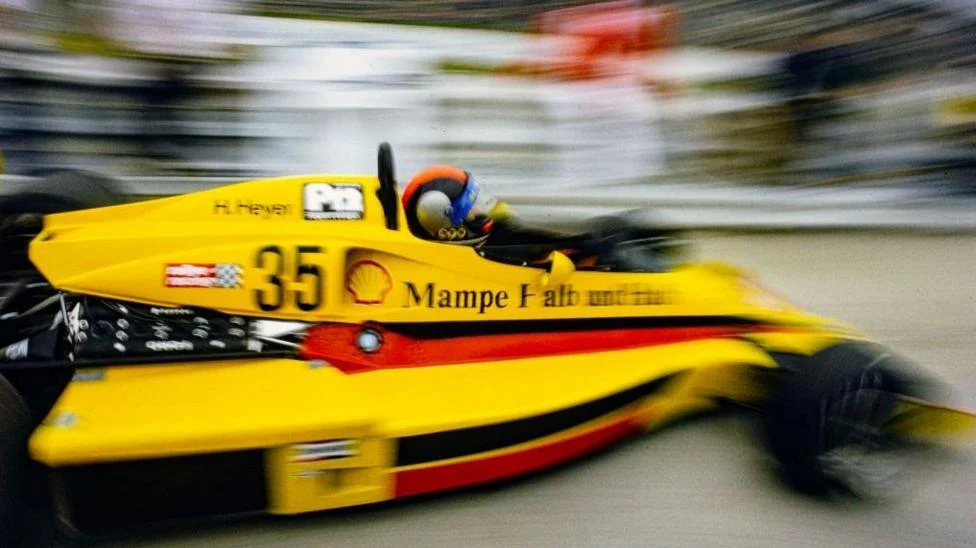
Fleeting careers sometimes stemmed from a driver’s own actions, such as Hans Heyer starting from the pit lane in a car that was never supposed to be there during the 1977 German Grand Prix at Hockenheim. Heyer was disqualified after retiring with gearbox failure on lap nine. Meanwhile, Marco Apicella endured a brief stint in 1993 with Jordan after receiving only two hours of testing to replace Thierry Boutsen, lasting approximately 800 metres at Monza before a first-lap multi-car collision.
Among the best finishes for a one-hit wonder, Dorino Serafini secured a shared second-place podium with Alberto Ascari at Monza in F1’s maiden 1950 season. Another standout modern super-sub was Markus Winkelhock, who took the grid in last place for the slow Spyker team at the 2007 European Grand Prix at the Nurburgring.
Winkelhock, whose father Manfred raced in 56 grands prix, admitted he was far from ready after testing for only one day each at Silverstone and Paul Ricard. When rain hit the Eifel mountains, Spyker’s pit wall made an inspired call to put Winkelhock on the correct tyres. He surged 33 seconds ahead of the field.
Winkelhock stated he did not know he was leading and was just driving when told he was in first place. His lead vanished when the rain stopped and faster cars caught him on a drying track, followed by a hydraulic issue on lap 15 after leading for six laps.
Many drivers who miss out on a long F1 career go on to enjoy glittering success in sportscars at Le Mans or American Indycar, yet grand prix racing remains the ultimate ambition. Needell concluded that single-seaters are the best cars to drive, noting he was proud to reach F1 without sponsorship or money, considering himself unluckier than a few but luckier than millions.