Table of Content
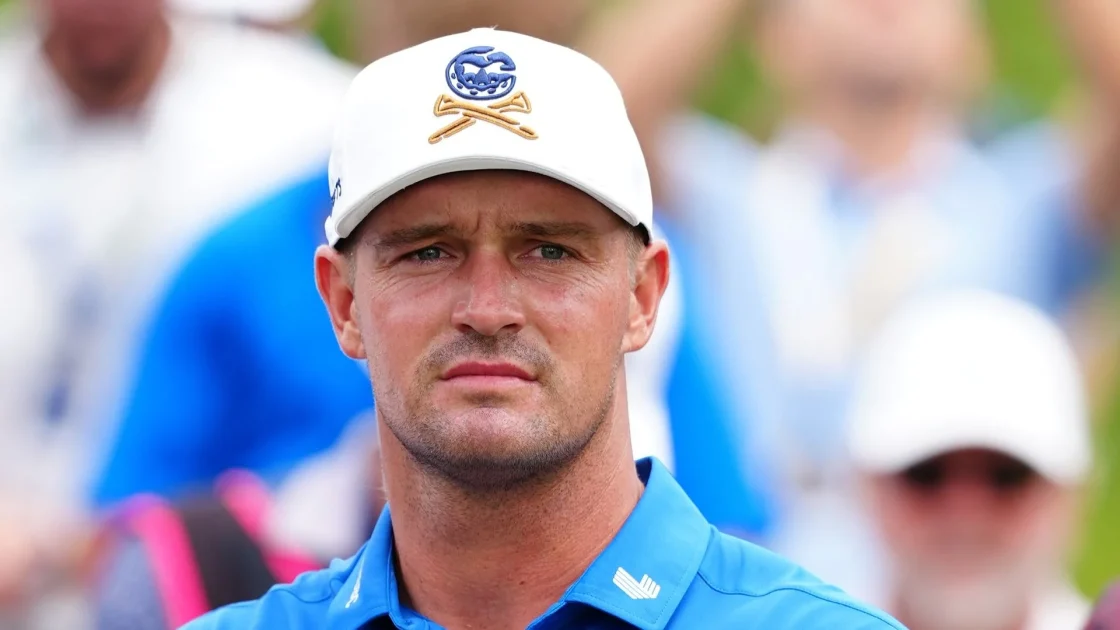
Bryson DeChambeau must state his intention to become a DP World Tour member in 2027 by a November 15 deadline or risk missing out on his playing opportunities. DeChambeau has lost his DP World Tour exemption for 2028 and 2029, leaving his competitive future uncertain after LIV Golf announced this week that it will enter liquidation.
The End of LIV Golf
LIV Golf confirmed on November 5 that it would begin an orderly wind-down of its operations after failing to secure the financial backing needed to continue its attempt to rival the PGA Tour. Sky Sports News reporter Jamie Weir stated that the writing was on the wall from April of this year when the Saudi Public Investment Fund announced they would no longer invest in the tour, having pumped £6bn into the venture over the last four years.
LIV subsequently filed for Chapter 11 bankruptcy protection in September, with investment firm BC Partners proposing a $300m deal to launch LIV 2.0. However, that rescue plan collapsed amid a mass player exodus and the proposed investment was withdrawn, leading the organization toward liquidation.
DeChambeau’s Next Steps and the November 15 Deadline
Weir noted that DeChambeau was the only team captain out of 13 who passionately believed in LIV 2.0 during an August meeting when the end was near, attempting to rally support from the others. By winning the 2024 US Open at Pinehurst, DeChambeau earned a five-year exemption on the DP World Tour, but rules dictate that failing to take up membership loses a year off the end of the period, costing him exemptions for 2028 and 2029.
DeChambeau still has the option to take up membership for the 2027 season by informing the Tour by November 15. Taking up the exemption would give him the opportunity to follow the path of Patrick Reed, who left LIV in January to play the 2026 season solely on the DP World Tour and secured a PGA Tour card for 2027. However, with the PGA Tour shifting to a cut-throat model in 2028, the exact number of cards available to DP World Tour members remains unspecified.
Alternatively, DeChambeau could decide to step away from professional golf entirely to focus on content creation. His YouTube channel attracts over three million subscribers and nearly 750m views, and he remains exempt for the next 12 major championships through to The Open in 2029, and the US Open until 2034. More recent comments from August indicate he would still love to play events on the PGA Tour, stating a desire to do both rather than an either-or mentality.
Flawed Business Model and Industry Reactions
Former European Ryder Cup captain Paul McGinley told RTÉ’s Morning Ireland that LIV Golf was based on bad fundamentals and a flawed business model, noting that betting against corporate America and the backbone of the PGA Tour was a mistake. Brandel Chamblee of The Golf Channel pointed to October 12, when DP World Tour CEO Guy Kinnings announced that players who signed with LIV 2.0 would not be allowed to play on the tour, as the death knell for LIV.
McGinley added to Sky Sports that players filled their pockets with money and now saw an opportunity to return to the ecosystem, join the DP World Tour and PGA Tour, and move forward. Phil Mickelson, a major signing for LIV in 2022, faces an uncertain future at 56 years old after playing only one LIV tournament this year due to a family health matter, while also facing unrelated allegations of misconduct that he denies.
Uncertain Futures for Other Players and LIV’s Assets
Regarding other LIV players, Weir explained that the PGA Tour requires a one-year suspension from the last LIV event before eligibility, meaning players cannot play on the PGA Tour until August 2027. Jon Rahm and Tyrrell Hatton never gave up their DP World Tour membership, while veterans like Lee Westwood and Paul Casey can rejoin via career money list exemptions, though major champions like Cameron Smith, Phil Mickelson, and Dustin Johnson will have to rely on limited invites.
LIV Golf’s creditors committee will meet on November 20, with another bankruptcy hearing scheduled for November 24. While the current iteration of the league is ending, its demonstration of appetite for team golf and bigger prize funds forced the PGA Tour to reconsider its own business model, leaving potential for investors to purchase remaining assets or trademarks.