Table of Content
The weekend’s Premier League fixtures brought intense debate over officiating, particularly regarding a penalty incident at Anfield. Writing for Sport | The Guardian (theguardian.com), former referee Chris Foy analyses why the match officials ultimately made the correct calls on the major incidents.
The Penalty Appeal at Anfield
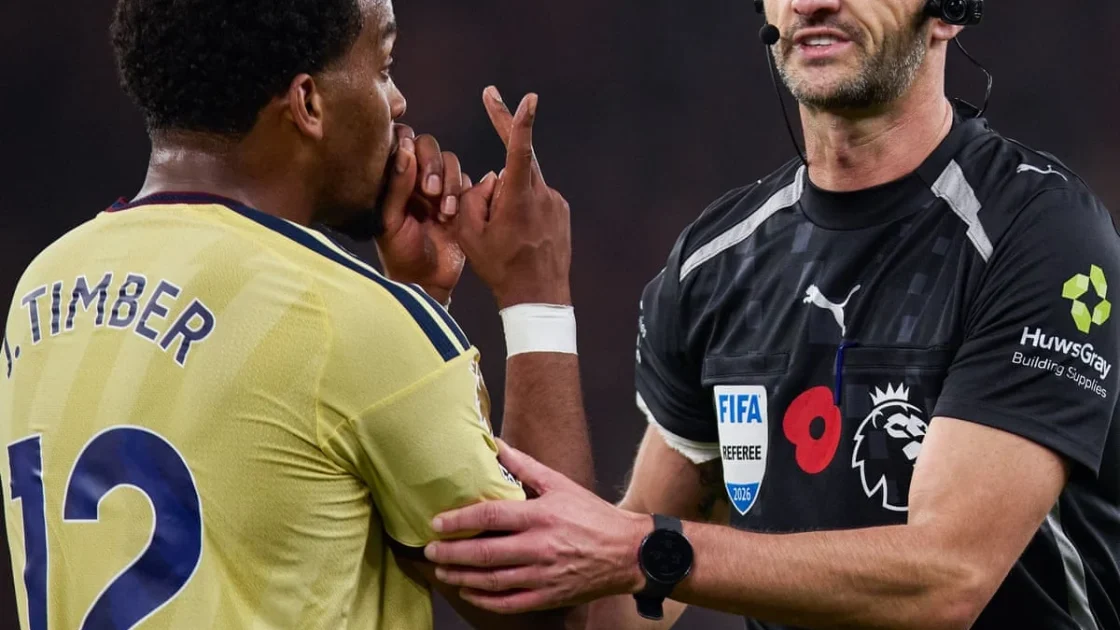
The main talking point emerged from Liverpool’s match against Arsenal when Alexander Isak had his shirt pulled by Jurriën Timber as he tried to reach a cross from Bradley Barcola. The on-field referee, Andy Madley, decided against awarding a penalty, a judgment backed by the video assistant referee, Stuart Attwell.
Following the match, Liverpool head coach Andoni Iraola stated that there had been a clear pull, which appears visible when footage is slowed down or freeze-framed. However, at full speed, the contact looks minimal and brief, using one hand with an arguable impact on Isak’s movement.
Foy explains that the Premier League maintains a high bar for penalising contact, which Attwell had to consider. While Iraola expressed that he would encourage his players to go down in similar situations in future, the VAR correctly assessed that the incident did not reach the threshold of a clear and obvious error required to overturn an on-field decision.
Managing Player Confrontations
Later in the match, Madley earned praise from pundits for his handling of a confrontation in the 79th minute following a foul by Alexis Mac Allister on Martin Ødegaard. As players gathered, Noni Madueke squared up to Mac Allister, and their heads touched before Mac Allister fell to the ground as if seriously hurt.
Madley had to determine whether Madueke’s contact constituted violent conduct, concluding correctly that it did not. Madley issued a yellow card to Mac Allister but not to Madueke, who had already been booked, while the VAR saw no evidence of a missed red card requiring intervention.
VAR Interventions Across the Weekend
This weekend marked the busiest period for VAR so far this season, featuring seven overturns across the first nine matches. A contrasting intervention occurred when Crystal Palace striker Jean-Philippe Mateta was sent off after a yellow card was upgraded to a red.
Mateta tackled Micky van de Ven from behind early in the match against Tottenham. Although referee Michael Oliver initially showed a yellow card, VAR Jarred Gillett reviewed the footage and advised Oliver to check the monitor after spotting that Mateta made full contact with his studs on Van de Ven’s achilles well away from the ball.
Gillett identified the challenge as serious foul play that endangered an opponent’s safety, successfully clearing the high bar for intervention. Additional VAR reviews over the weekend correctly resulted in a penalty for Aston Villa after the ball struck Sander Berge’s arm in an unnatural position, and a penalty and second yellow card for Manchester United’s Lisandro Martínez following an aggressive challenge on a Chelsea player.
Semi-automated offside technology also correctly overturned two goals at Stamford Bridge, while penalties and goals were accurately adjusted in other matches involving Coventry, Sunderland, Leeds, and Bournemouth due to handball infractions. Despite high activity levels at the VAR hub, the officials handled decisions swiftly and smoothly overall.