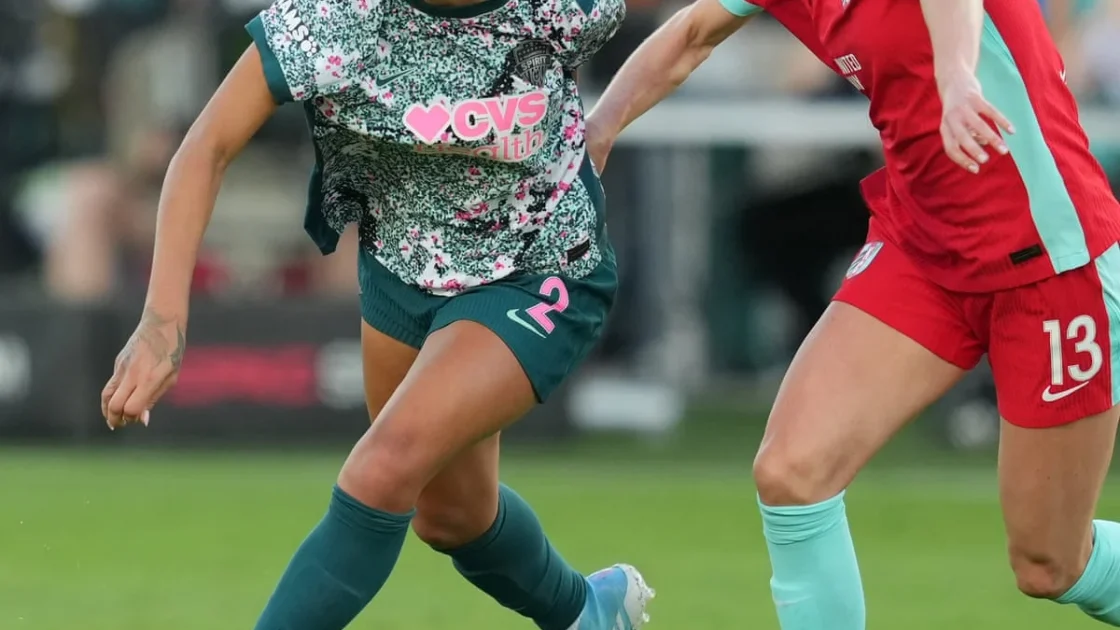
The National Women’s Soccer League (NWSL) has revised its High Impact Player rule following a settled grievance with the league’s Players Association. Originally introduced with strict criteria prioritizing international recognition, the policy will now allow clubs to spend additional funds on any player they choose.
The Origins and Criticism of the Original Rule
When the policy was launched last winter, it was designed to prevent top American stars like Trinity Rodman from moving to European clubs. The initial rule allocated extra funds beyond the salary cap for players meeting specific global recognition categories. These criteria included rankings by SportsPro Media, ESPN, and The Guardian, high minutes for the US national team, Ballon d’Or shortlists, or league MVP and Best XI awards.
According to Sport | The Guardian, the rule faced criticism from observers who argued the league should simply raise the salary cap. Maintaining a competitive NWSL within the global football landscape remains challenging, particularly against heavily funded European super-teams like Chelsea, Lyon, and Barcelona. European clubs frequently attract elite talent, creating an uneven dynamic for a parity-driven American league competing for international prestige.
Before the update, the original criteria allowed clubs with met salary caps to spend an extra million without a cap on the number of eligible players. This structure initially opened doors for ambitious teams to build rosters capable of competing with top European spenders.
Changes to the Policy and Future Implications
Under the revised structure, the fundamental mechanism remains intact. Teams reaching the 2027 salary cap of $4.4m can spend an additional $1.257m, as reported by ESPN. However, the eight-criteria list of global recognition has been entirely removed, giving individual teams total autonomy to reward whichever players they see fit.
Sport | The Guardian notes that this modification benefits elite players who previously missed the strict criteria, including those affected by injuries or those who fell short in past seasons. While individual clubs gain flexibility, the league itself continues to balance domestic parity with the broader challenge of marketing marquee names and retaining top USWNT talent at home.