Table of Content
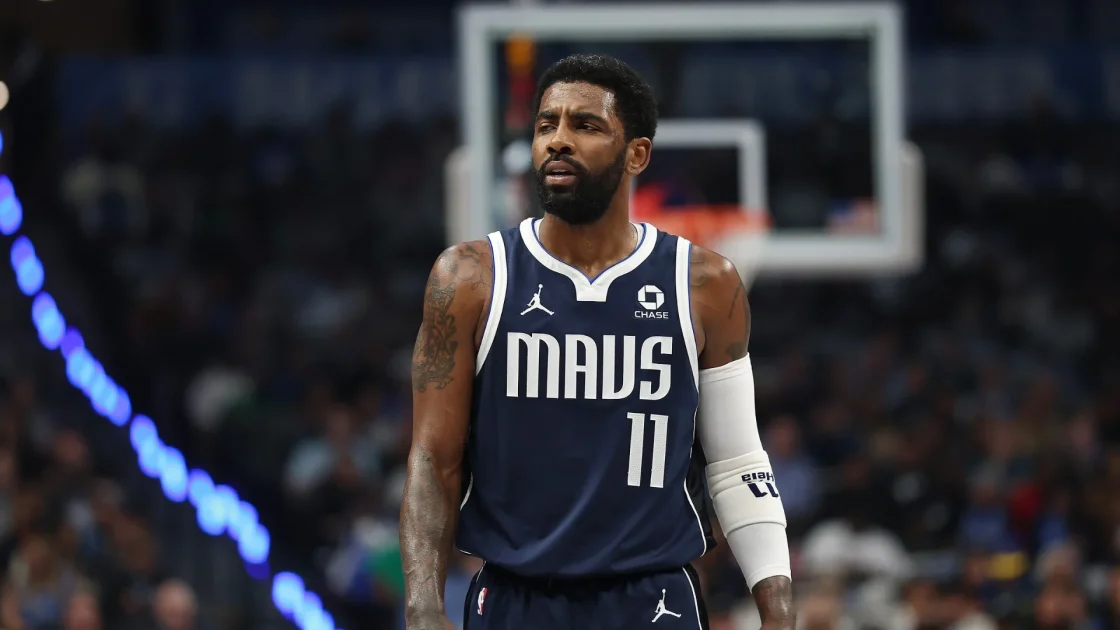
The Utah Jazz have held internal discussions regarding Dallas Mavericks guard Kyrie Irving as a prospective trade target, according to reporting from SNY’s Ian Begley highlighted by CBS Sports. Although the franchises have not held formal discussions, the front-office evaluation signals Utah’s interest in assessing high-profile perimeter options amid a difficult start to the season.
Utah’s Early Disappointment and Trade Rationale
Utah entered the campaign aiming for a postseason return following four consecutive appearances in the NBA draft lottery. Instead, the Jazz stumbled to a 3-13 record over their first 16 games, hampered by injuries, lineup adjustments, and inconsistent play. Because Utah does not control its own first-round pick this year, the front office has little incentive to slide down the standings.
The Jazz have previously demonstrated interest in proven veterans outside their developmental timeline. In 2023, Utah pursued guard Jrue Holiday, who was 33 at the time, before backing away when Holiday indicated an unwillingness to sign a contract extension.
Irving has posted averages exceeding 22 points per game while guiding Dallas to an 8-7 start through 15 contests. Dallas faces its own roster timeline questions, holding a 15-year age gap between Irving and rookie Cooper Flagg, alongside an asset shortage that leaves the Mavericks without control of their own first-round draft selections until 2031.
Roster Redundancy and Timeline Mismatches
Despite Irving’s scoring production, an acquisition would create immediate complications for Utah’s roster construction. The Jazz possess a crowded young backcourt led by 23-year-old Keyonte George, 20-year-old Ace Bailey, and 19-year-old Darryn Peterson. Incorporating a veteran ball-dominant guard would directly reduce minutes and touches for those foundational building blocks.
Utah also awaits the return of injured frontcourt starters Lauri Markkanen and Jaren Jackson Jr. The Jazz surrendered three first-round selections to acquire Jackson to anchor their defense, especially after sending Walker Kessler to the Los Angeles Lakers. Markkanen remains under a long-term maximum contract, sits five years younger than Irving, and plays a forward spot that is far less crowded than Utah’s guard rotation.
Stylistically, Irving has experienced his greatest career successes when paired alongside premier playmakers such as LeBron James or Flagg. Neither George nor Peterson profiles as a pass-first floor general, making the theoretical tactical fit even more complex.
Executive History and Play-In Ambitions
Any transaction involving Irving and Utah would also link back to front-office history. Jazz CEO Danny Ainge originally traded for Irving while overseeing the Boston Celtics. Irving announced intentions to sign a long-term extension with Boston ahead of the 2018–19 campaign before ultimately leaving to sign with the Brooklyn Nets in free agency.
Utah’s internal examination of veteran guards reflects legitimate depth concerns on the bench. The Jazz declined the fourth-year rookie contract option on backup guard Isaiah Collier, and team efficiency ratings show the offense performing 6.5 points per 100 possessions worse with Collier on the floor.
The Jazz remain 5.5 games out of the Western Conference’s No. 10 seed, leaving the front office to decide whether external veteran reinforcements or the return of injured starters offers the best path back into play-in contention.