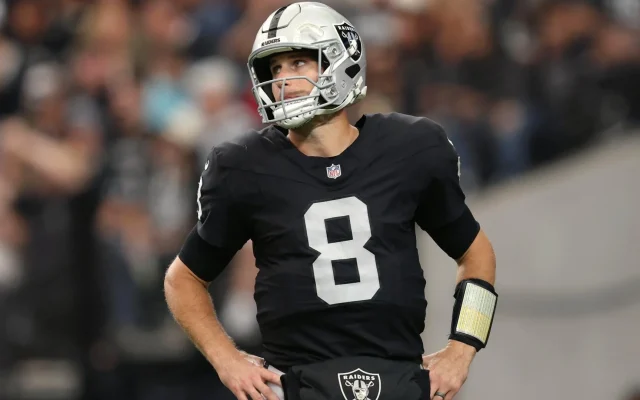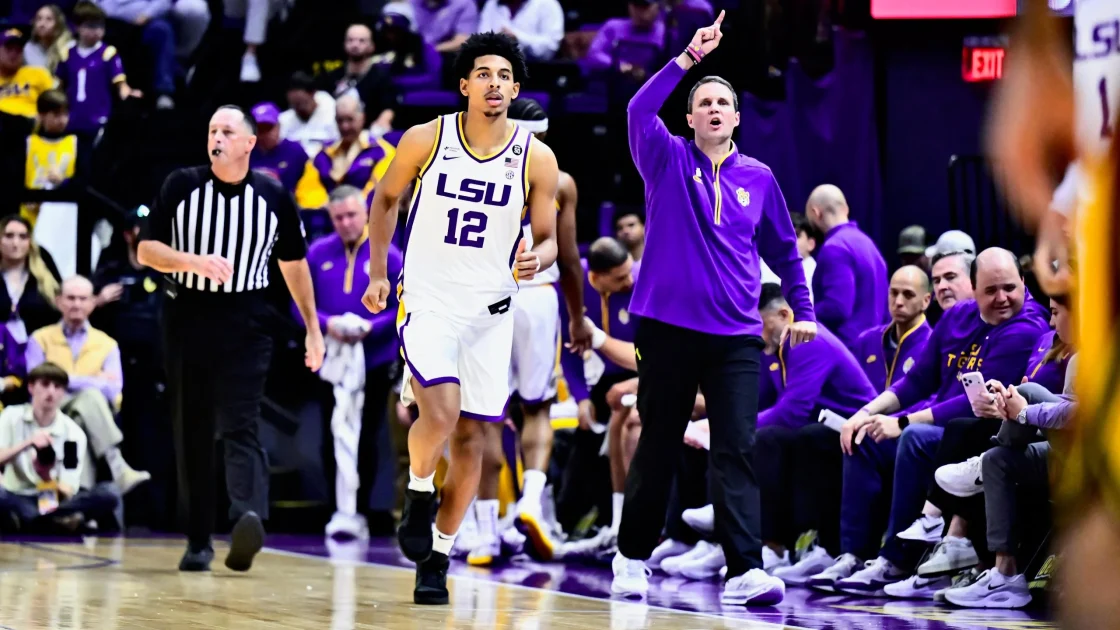
LSU coach Will Wade caused a stir on Wednesday night by playing RJ Luis Jr., a former NBA two-way contract signee, in the first half of the Tigers’ matchup against Louisiana Monroe. Luis entered the game with 12:04 remaining in the first half, marking his return to college basketball 20 months after his final appearance for St. John’s.
Performance and Eligibility
Luis contributed 11 points and nine rebounds, shooting 3-of-9 from the field across 15 minutes of play as the 25th-ranked Tigers defeated the visiting Warhawks 79-67. Speaking after the game, Wade declined to discuss eligibility details. “I’ll be happy to answer any questions about how he played,” Wade stated in his postgame press conference. “But I’m going to refer anything in terms of his eligibility and rostering to the university statement yesterday. But everybody we played tonight is eligible.”
After putting his name in the 2025 NBA Draft and going undrafted, Luis secured a two-way contract with the Utah Jazz before being traded to the Boston Celtics. Although he was waived ahead of the 2025-26 NBA regular season without appearing in a regular-season game, SEC regulations bar him from competing for a conference program. The conference bans former college athletes who sign professional deals from returning to play for league universities.
The Injunction and Potential Penalties
LSU maintains that playing Luis complies with a Nov. 13 preliminary injunction issued by a Baton Rouge judge, which allows him to compete. Luis is utilizing the legal system to secure eligibility for another college season, a path taken by various players across the sport.
What sets Luis apart from other athletes in the SEC and nationwide is that conference guidelines specifically restrict players in his exact position, given that he left college voluntarily to sign a professional agreement before attempting a return.
The preliminary injunction prevents the SEC from penalizing LSU for playing Luis at the present time, though it may not protect the university from future repercussions. The SEC filed a separate federal lawsuit in Alabama earlier in the year, asking for legal authority to enforce its regulations during circumstances of this nature. Enforcement of those rules carries severe sanctions for violators, including a half-season suspension for the head coach, the revocation of SEC business voting privileges for the offending school, a fine equal to 50% of the operating budget for the sport involved, and discretionary leeway for the commissioner to impose additional penalties.