Table of Content
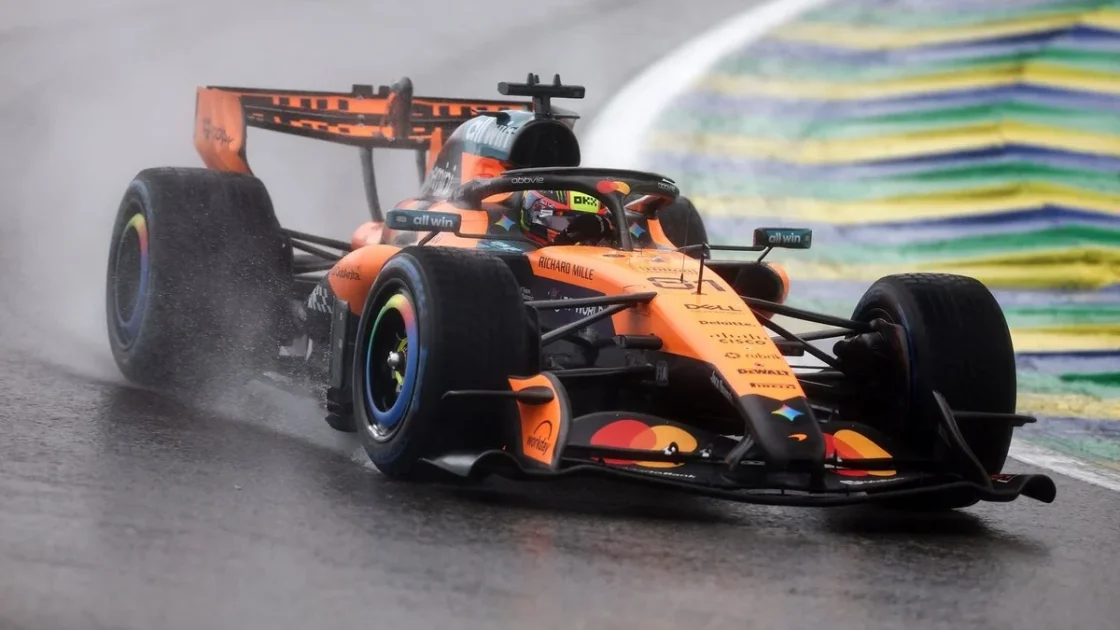
Formula 1 stakeholders faced their first true wet-race test of the season at the Brazilian Grand Prix at Interlagos, addressing long-standing concerns about how cars and tyres handle heavy rain and changing conditions.
Qualifying Decisions and Tyre Performance
Qualifying faced an 80-minute red flag after a heavy downpour started the session. While George Russell warned about the high risks of driving in such conditions, paddock consensus credited the FIA with making correct calls to pause Q1 and find a safe window to restart. Ferrari team principal Fred Vasseur noted that cars returned with two centimetres of water after an initial lap, making conditions too wet for safe racing.
Historically, Pirelli’s heavy extreme wet tyres see little use because their operating window sits outside acceptable racing margins, overheating quickly as tracks dry. Intermediate tyres have served as the preferred wet-weather option, but this year’s versions face criticism for being too hard and slow to reach operating temperatures due to testing restrictions on narrower wheels. Fears previously suggested that these new intermediates combined with powerful engine torque would make cars dangerously undriveable in the wet.
Driver Reactions and Technical Challenges
Actual track events proved more nuanced than anticipated, aided by FIA power delivery management work throughout the year. While extreme wets proved more usable, intermediates caused handling problems, with Kimi Antonelli spinning off at Turn 12 on his grid lap and other drivers struggling when late-race rain forced a switch back to intermediates. Vasseur praised the increased usability of the extreme wets, noting they prevent drivers from taking risks on intermediates during heavy downpours.
Pirelli aims to bring wet-weather compound performances closer together next year to improve intermediate warm-ups and extreme wear resistance. Alex Albon, who finished 15th, reported that the tyres were difficult to fire up while wearing out quickly, leaving drivers sliding around without feeling the tyres come alive. This dynamic caused opening-lap peculiarities where front-runners drove cautiously due to low grip, while some rear-grid starters gained strong momentum.
Remaining Concerns and Tyre Development
Drivers like Max Verstappen and Lewis Hamilton surged into the top 10 from the back of the grid, though Hamilton later struggled with massive oversteer snaps and Verstappen found slick tyres less performant. Carlos Sainz emphasized the need for further tyre development with Pirelli, stating that intermediate tyres remain weak at the rear in mixed conditions, while extreme wets suffer from sliding and a lack of rear grip.
Liam Lawson highlighted ambient temperature as a major factor, explaining that cooler temperatures caused tyre temperatures to drop during grid laps despite lower water levels. Lawson warned that cold-weather wet tracks like Las Vegas could pose significant trouble, though the weekend successfully marked a full event completed on these tyres.