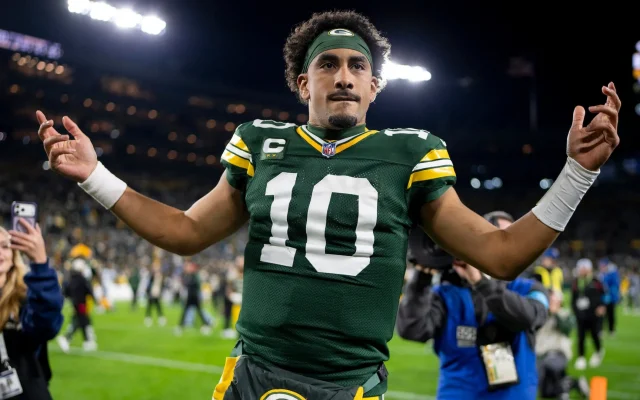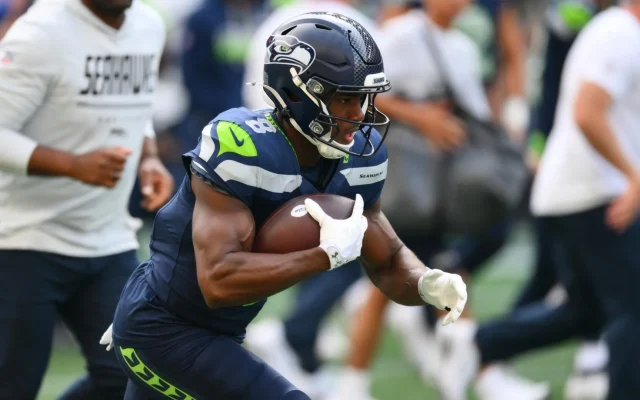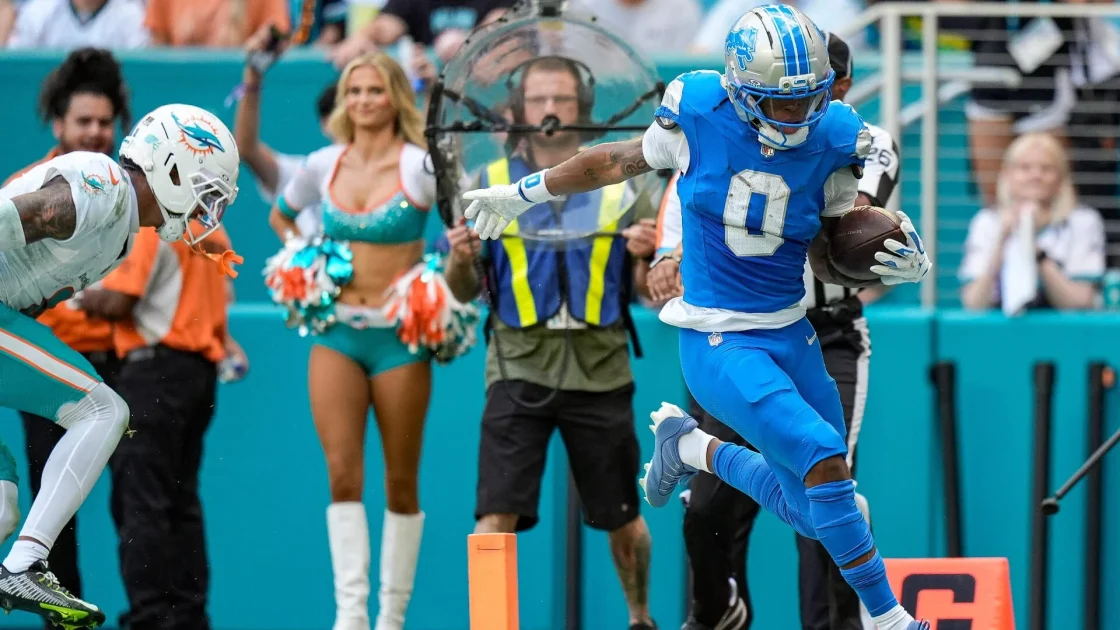
Fantasy Football leagues worldwide approach their trade deadlines, which typically fall between now and the week following Thanksgiving. As CBS Sports Headlines reports, this period gives first-place teams a chance to build depth for the playoffs in Weeks 15 and beyond, while teams with four or more losses can trade star players for multiple starters to secure wins and reach the postseason.
NFL Trade Impacts on Fantasy
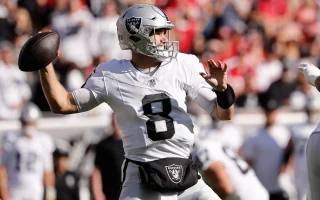
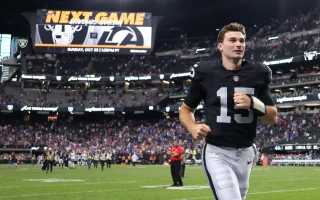
Recent real-world NFL trades carry significant implications for fantasy managers. In Minnesota, the arrival of Kirk Cousins improves the outlook for the entire passing game and should encourage playcaller Kevin O’Connell to call more pass plays. In Las Vegas, college film on Fernando Mendoza shows he is willing to give pass-catchers one-on-one opportunities, which benefits Brock Bowers as the primary option, though weekly numbers remain uncertain for Tre Tucker and Michael Mayer.
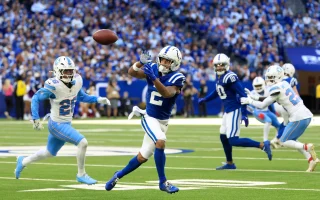
For Kansas City, Josh Downs looks like a suitable replacement for Xavier Worthy, matching Worthy’s previous average depth of target while adding speed once he learns the offense. In San Francisco, coach Kyle Shanahan values Keenan Allen for his precise route-running, giving him mild PPR appeal that could grow if Mike Evans and Deebo Samuel stay sidelined. In Indianapolis, Tyler Warren prepares for heavy usage, while Jonathan Taylor stays with a team facing tough game scripts and potential rest during a lost season, with Taylor’s snap share dipping below 70% in each of the past three games.
Finally, Jacksonville added safety Jessie Bates III and defensive tackle Jordan Davis to bolster an already strong unit, potentially boosting the defense and creating run-friendly game scripts for the team’s running backs.
Understanding the Trade Chart
Created by CBS Sports more than fifteen seasons ago to help managers make fair trades, the Fantasy Football Trade Chart now covers four-point-per-pass touchdown leagues and half-PPR formats. Assigned points measure long-term fantasy value based on expected future performance, upcoming schedules, and public sentiment, rather than past production.
Managers can calculate trade fairness by adding player values, though trades involving uneven roster sizes require a 10% value deduction from the side receiving more players. Certain individuals hold value exclusively in two-QB or full-PPR leagues and carry no listed value in other formats. Unlisted players hold a maximum value of four points, and the chart doubles as rest-of-season rankings for the campaign.
Managers can contact Dave Richard via email or social media with questions, disagreements, or trade reports from their leagues to help shape future editions of the chart.