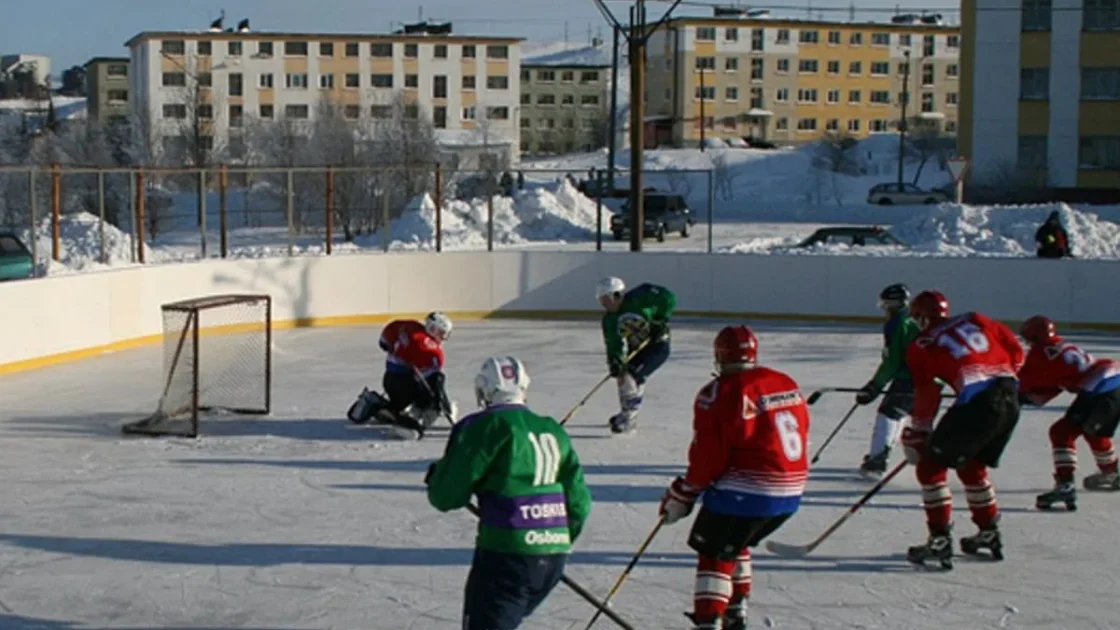
For years, ice hockey served as a vital social link and tool for cross-border diplomacy between local communities in northern Finland, Norway, and Russia. Following the full-scale invasion of Ukraine, however, those connections have been entirely severed, leaving Arctic players and organizers mourning the loss of a shared regional culture.
The Impact on Arctic Amateur Leagues
Janne Tervahauta, a 51-year-old player with the Tunturi-Kiekko team in Ivalo, Finland, recalled how the amateur Barents Hockey League allowed participants to travel and meet across the border. As reported by Sport | The Guardian, Tervahauta noted that while the competition was meant for older amateur players, it held great importance for Arctic residents, adding that stopping all contact with Russian teams is very sad.
Before February 2022, ice hockey diplomacy helped thaw relations following the cold war, while Russia utilized its global prowess in the sport to exert soft power. Vladimir Putin, an avid fan of the sport, has long been associated with hockey, and Russian star Alexander Ovechkin founded the pro-Putin social movement PutinTeam while starring in the National Hockey League.
In Finnish Lapland, RoKi—the official team of Santa Claus based in Rovaniemi—regularly collaborated with Russian squads through pre-season friendlies and summer training camps for Kontinental Hockey League teams. Mika Toivola, the chief executive of RoKi Hockey, stated as reported by Sport | The Guardian that cooperation had been substantial, with players moving freely between Finland and Russia before the conflict abruptly ended everything just days after Finland defeated Russia in the Beijing Winter Olympics men’s final.
International Boycotts and Uncertain Futures
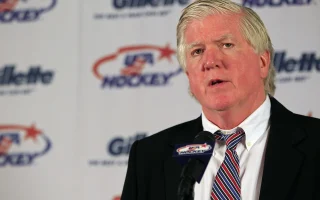
Despite the ongoing conflict, the court of arbitration for sport ordered the International Ice Hockey Federation to allow Russia back into international competition ahead of the men’s world championship in Germany in May. In response, the head of the Finnish ice hockey association announced a boycott of matches against Russia, with Sweden, Norway, Denmark, the Czech Republic, Austria, Latvia, and Canada joining the boycott.
Toivola expressed support for the boycott, telling Sport | The Guardian that allowing Russian national teams to return while the war continues is wrong. He emphasized that peace in Ukraine is the essential first prerequisite for rebuilding trust, noting that the discussion extends far beyond tournament participation to encompass affected Ukrainian players and families.
On a local level, individual bonds remain fractured. William Sjøstrand of the Norwegian amateur team Kirkenes Puckers voiced sadness over the halt in matches against nearby Russian teams, stating that they await the day they can resume playing. Margrethe Alnes, an adviser and project coordinator at the Barents Secretariat which organized the regional league, told Sport | The Guardian that the decade-long initiative successfully broke down prejudices and fostered unique friendships that will take considerable time to rebuild once the war eventually concludes.