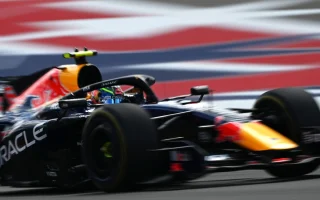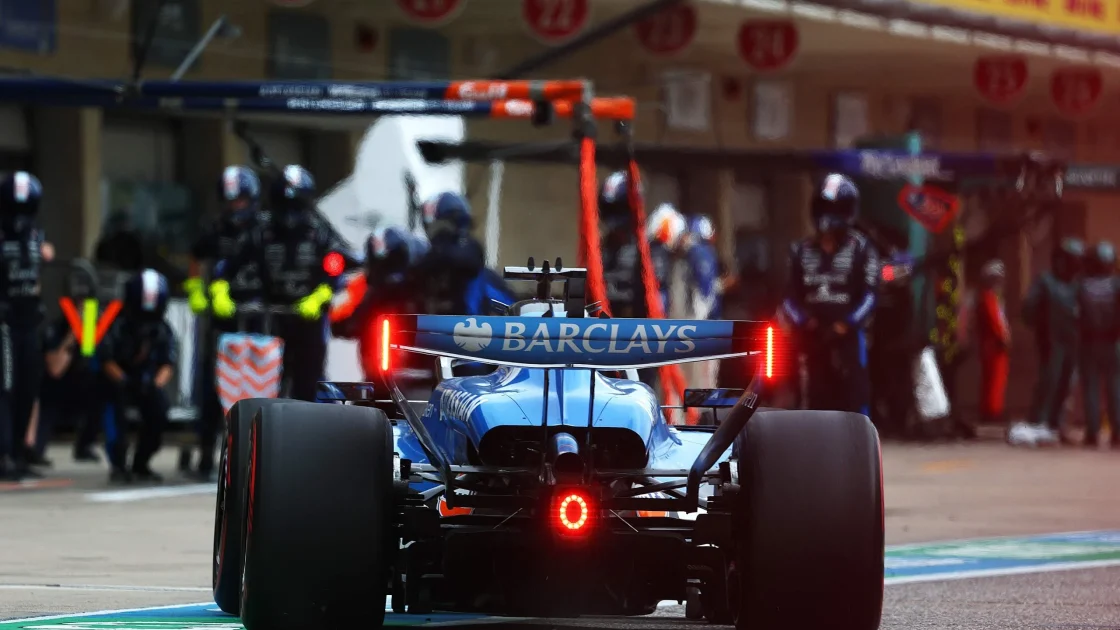
Formula 1 teams face unique challenges at the Mexico City Grand Prix due to extensive track resurfacing and high-altitude conditions that impact grip and braking performance.
Track Evolution and Tyre Strategies
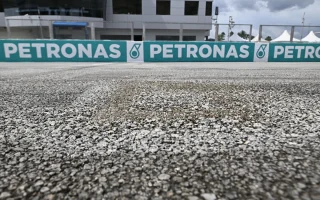
The circuit in Mexico typically begins the weekend with a very dirty track surface, but grip levels improve significantly lap after lap. Extensive resurfacing work this year means that track evolution could become even more pronounced during the sessions. From a strategic perspective, the low severity of the circuit and the way the three tyre compounds behave on comparable tracks could point toward a one-stop race. Managing the tyres to extend stints remains a crucial consideration, particularly because the rear axle bears the heaviest stress.
Strategic choices may rely more heavily on the confidence a driver finds in a specific compound rather than any strict limitations on tyre life. Certain teams might lean toward softer compounds to gain extra grip, while others could choose the consistency and stability of the Hard tyre, as observed at multiple rounds this season.
Compound Performance and Braking Challenges
The Soft C5 compound could play a central role once again. It has shown strong traits on low-severity circuits and may serve as an appealing choice for both qualifying and the race, opening up a wider array of strategic options compared to past years.
Teams must also monitor braking performance closely throughout the weekend. The high altitude diminishes aerodynamic efficiency, making the management of heavy braking zones significantly more difficult. The long main straight heading into Turn 1 raises the risk of wheel lock-ups, particularly in the early running when grip levels remain limited.