Table of Content
The 2026 Cincinnati Reds built early morale on unexpected success before collapsing so severely that they finished dead last in the NL Central. Despite sitting nine games over .500 at 20-11 at the end of April, the team finished with one of the worst run differentials in baseball.
A Roster Mismatched for Success
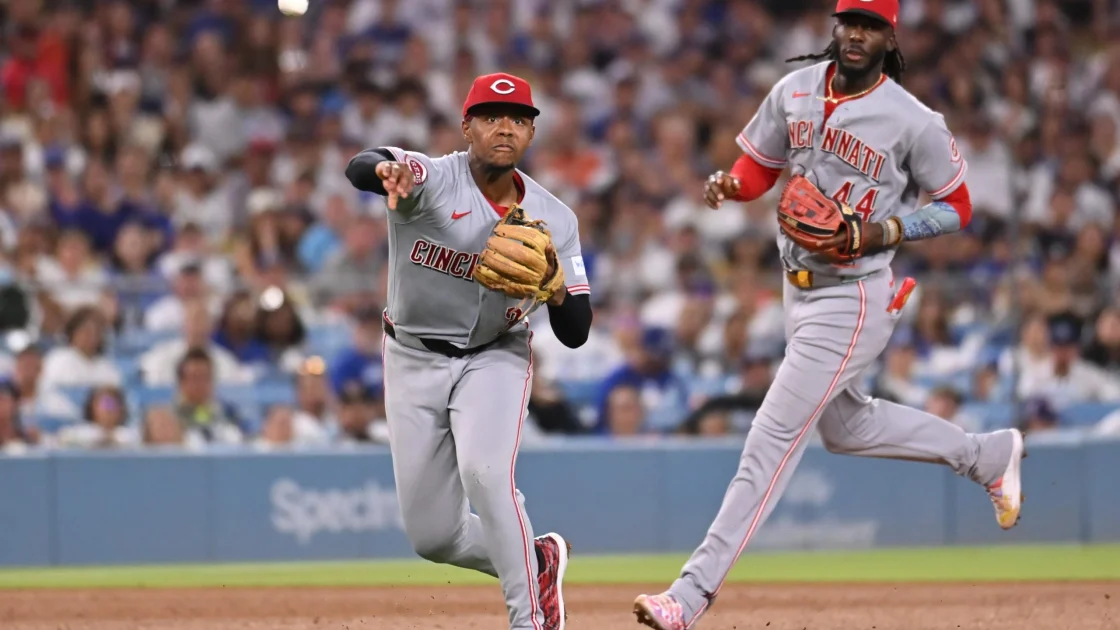
The team struggled across all facets of the game, failing to hit, field, pitch, or run effectively. No single player on the roster better represents the gap between front-office fantasy and reality than third baseman Ke’Bryan Hayes. Acquired from a division rival rather than drafted and developed internally, Hayes was brought in following a surprising run to the final NL Wild Card spot in 2025.
Hayes has struggled offensively, posting some of the worst numbers by any player in the sport over that span. His presence at third base also forced reigning Rookie of the Year Sal Stewart, just 22 years old, off his natural defensive position and over to first base.
The Defensive Disconnect
Despite his offensive shortcomings, Hayes is widely recognized as an elite defender with Gold Gloves and Platinum Gloves on his resume. Nick Krall emphasized a need for better defense across the board after dismissing former manager David Bell following a disappointing 2024 campaign.
However, acquiring an elite defender at a niche position requires proper roster construction. Teams do not acquire elite specialists without creating the conditions to utilize them. For a third baseman’s defense to matter, ground balls must actually be hit in that direction.
Pitching Style Undermines Defense
During the 2026 regular season, only three pitching staffs produced ground balls at a lower rate than Cincinnati’s 39.2%. This issue was compounded by the fact that the team’s stadium is not oversized for fly balls, nor does the roster feature elite outfield defense.
Furthermore, no team in the sport produced less pull contact off right-handed hitters than the Cincinnati Reds in 2026. Right-handed hitters pulled the ball just 38.0% of the time against Reds pitching, meaning opposing batters rarely hit the ball toward the third base side.
Even with better health, the Reds failed to build the proper mechanisms to maximize Hayes’s defensive value. Lacking a pitching staff that produces rollover contact to right-handed hitters, the front office faces questions about whether they should have focused on defensive improvements at positions where balls are actually hit.