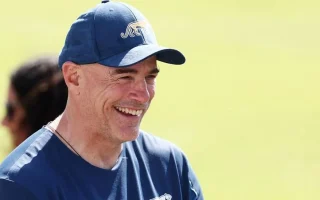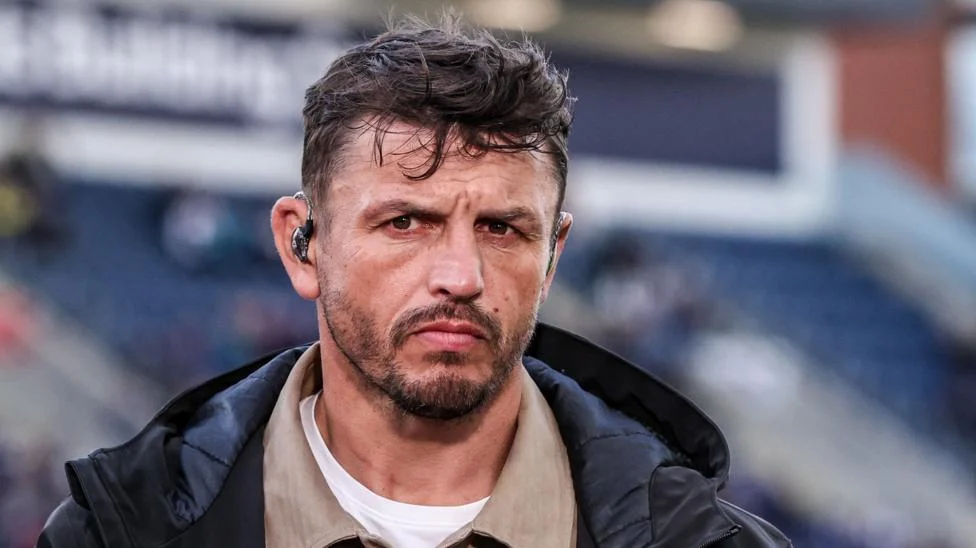
The new head of English rugby league has supported a proposal for Prime Minister Andy Burnham to approve a £30m five-year community funding plan for the sport. Ian Nolan, the newly appointed chief executive of the Rugby Football League, backed an appeal issued by former England international Jon Wilkin on BBC Radio 5 Live.
Call for Government Investment in the North
Wilkin urged Burnham and Culture Secretary Lisa Nandy to pledge government money to a rugby league-based social impact project. He pointed to the Australian government’s commitment of A$250m (£130m) over 10 years to the Pacific Rugby League Partnership, arguing that a similar initiative in northern England would benefit deprived communities. Wilkin said Australia recognized rugby league as a vehicle for social change, questioning why Britain should not show the same ambition for the north.
Nolan, a former Manchester United executive who started his RFL role on 1 October, stated that the social benefits of such a program would materialize faster because rugby clubs are already embedded in their local communities. A Department for Culture, Media and Sport spokesperson told BBC Sport that the government has committed £15.7m to rugby league through Sport England up to 2029 alongside a £400m investment into grassroots sports facilities, adding that it remains aware of the RFL’s concerns.
Domestic Reform and International Calendar Scrutiny
Nolan announced an initiative called One Game, One England, which involves consulting rugby league greats to shape the national game’s future following the group-stage exits of both the English men’s and women’s teams from the Rugby League World Cup. Wilkin previously criticized the crowded Super League calendar and the absence of a mid-season international window. Nolan is exploring ways to introduce higher-quality domestic fixtures, mentioning potential formats similar to past International Origin or War of the Roses series.
Former England international Ryan Hall told BBC Sport that the men’s World Cup suffered after being reduced from 16 to 10 teams following Australia stepping in to host the tournament after France withdrew. Hall described a World Cup as a festival meant to showcase countries at all levels. Meanwhile, Wilkin criticized the lack of a free-to-air live television deal for the tournament, which is being broadcast live by Premier Sports.
International Rugby League chair Troy Grant stated last week that the sport went with Premier because the BBC did not offer enough money, expressing disappointment that the broadcaster did not provide sufficient funds. A BBC spokesperson responded that the organization must make difficult choices to deliver required savings while continuing to serve audiences effectively.