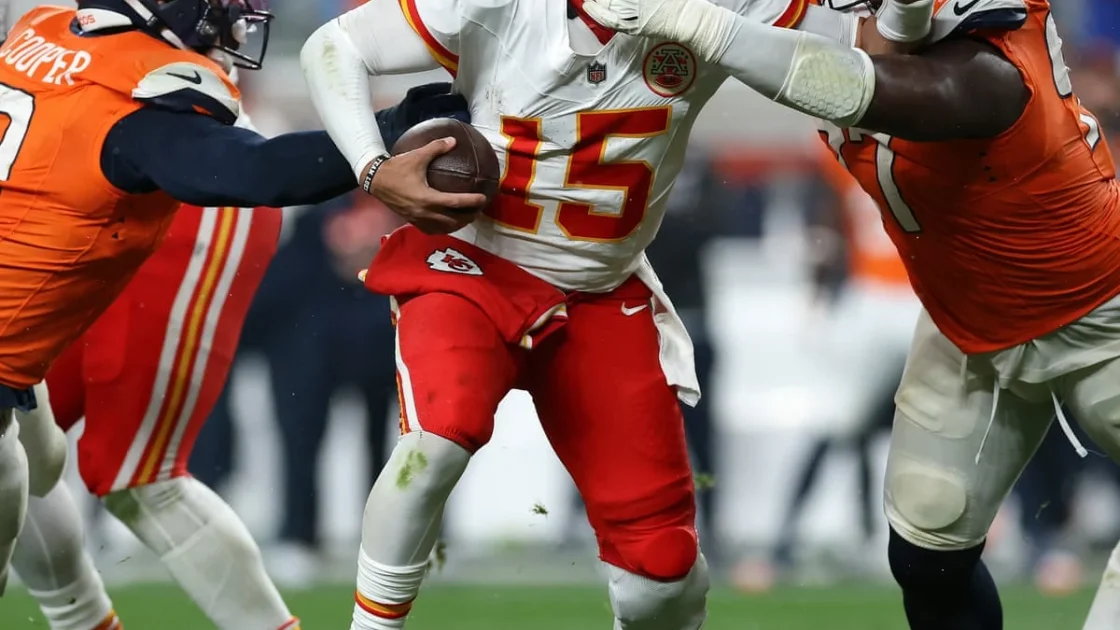
NFL quarterbacks are facing unprecedented pressure from pass rushers this season, leading to a high rate of injuries and quarterback changes across the league. Through the first nine weeks, quarterbacks have been hit on 15.1% of their dropbacks, marking the highest rate since official box scores began tracking hits in 2006.
The Reality of Increased Pressure
Data from Pro Football Focus places the pressure rate at 36.1% this year, setting a record for their dataset dating back to 2006. Sports Info Solutions and Next Gen Stats show similar historical highs for quarterback pressure. This surge has contributed to high numbers of starting quarterbacks across the league, with 47 players starting games through the first nine weeks alone.
Contrary to common assumptions, this trend is not driven by a decline in offensive line play. Metrics like pass-block win rates from Pro Football Focus and ESPN show that top offensive linemen remain as capable as those in previous eras, and the lowest-graded players perform better than historical lows.
Coverage Schemes and Hold Times
Blitz rates and pass-rushing talent have also not increased enough to account for the overall rise in pressure, pointing the primary cause toward time spent in the pocket. The average time to throw has reached 2.83 seconds, which is the longest since tracking began. Clean-pocket time to throw has similarly risen to 2.45 seconds, with 57.6% of dropbacks lasting 2.5 seconds or longer.
The rise of mobile quarterbacks who look to extend plays contributes to this dynamic, but even non-scrambling passers hold onto the ball longer at an average of 2.81 seconds. At the same time, defenses have increasingly deployed two-high safety schemes such as Cover 2 and Cover 4, effectively deterring deep passes and forcing quarterbacks to pass up initial reads for checkdowns.
Enhanced defensive coverage further complicates the situation for signal-callers. Tight-window throws have reached their highest frequency since 2020, and contested targets have risen to 52.4%, marking only the second season in PFF data history where that rate has exceeded 50%. Ultimately, while extended plays and higher blitz frequencies play a role, the primary driver of increased quarterback pressure is the league-wide defensive proficiency in stopping deep routes.