Table of Content
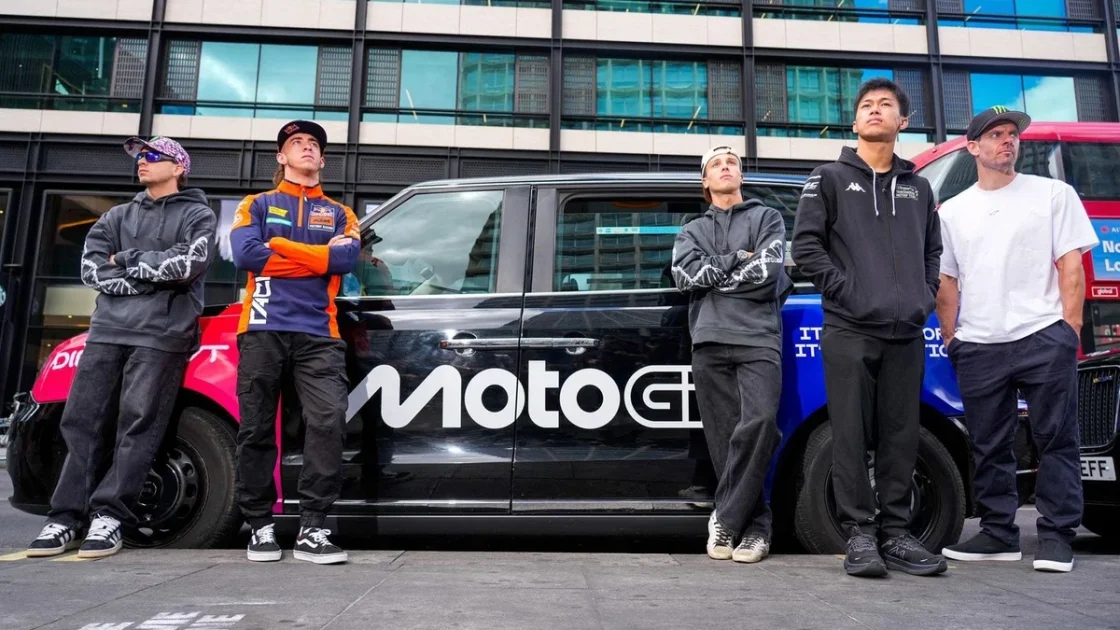
The majority of MotoGP riders still prefers to avoid travelling to the Qatar Grand Prix amid the Iran war, but the balance of opinion has shifted considerably over the past few days. During meetings held at Phillip Island last weekend, three-quarters of the grid expressed their opposition to travelling to Doha, though that number fell to just three riders a week later during a meeting in Malaysia.
Strained Relations and Logistics
Friday’s gathering began at 7pm and lasted an hour in the Sepang paddock. It took place in Yamaha’s communications department office after a request for a meeting room was rejected by the championship authorities, a detail that indicates how strained relations have become. For several days, the riders have been resigned to travelling to Qatar despite deep concerns about instability following the outbreak of war between the US-Israeli alliance and Iran in February.
Although the conflict has entered a period of relative calm, nobody can predict how events might unfold from Tuesday onwards, when the United States holds its midterm elections. The threat remains, and most nations represented in the paddock are advising citizens to postpone travel to Qatar, though these recommendations do not amount to an outright ban. That distinction is crucial, as an official travel ban could provide grounds for invoking force majeure to cancel the event without financial consequences.
Organiser Stance and Guarantees
Until a ban happens, the Qatar Grand Prix remains firmly on the schedule for organisers, teams, and riders. Riders have received warnings about potential consequences if they consider avoiding their contractual obligations. Autosport understands that riders find themselves isolated on one side, while their employers, championship commercial rights holder MGPSEG, and the Federation Internationale de Motocyclisme (FIM) stand on the other. The message conveyed to them is that the race must go ahead.
Cancelling the event would have enormous consequences because the Qatari government has provided necessary guarantees to ensure the grand prix can take place as normal while protecting attendees if hostilities escalate. As reported by Autosport, sources within the organisation stated that these guarantees cover an evacuation plan for the entire paddock, financial protection against costs from a potential Qatari airspace closure, and repatriation insurance in the worst-case scenario.
Ezpeleta’s Visit and Potential Penalties
Earlier this week, MGPSEG deputy managing director Carlos Ezpeleta travelled to Doha to attend a conference and experience the atmosphere in the Qatari capital where the Losail circuit is located. A member of the delegation accompanying the executive told Autosport that everything is completely normal. Ezpeleta subsequently flew to Malaysia, arriving on Friday as the riders held their gathering.
Riders are aware of what they face if they decide not to travel to Qatar. Unless they provide an entirely legitimate and unequivocal justification for absence, they risk repercussions from several directions. Teams could pass on financial penalties imposed by championship organisers, and the FIM could interpret failure to attend as a serious regulatory breach leading to sporting sanctions extending into next season. Autosport understands that any rider who fails to turn up in Doha to take to the track on Friday risks being barred from competing in the final two rounds of the championship in Portugal and Valencia.