Table of Content
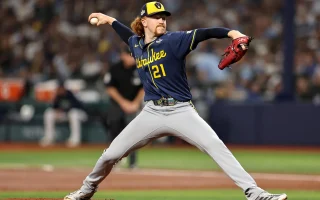
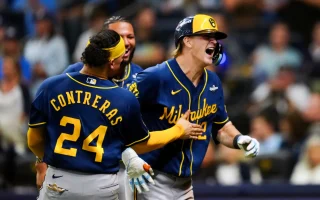
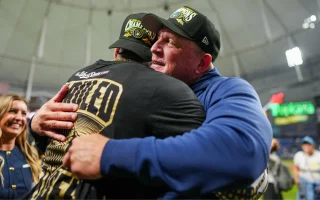
The Milwaukee Brewers celebrated their first-ever World Series title after defeating the Tampa Bay Rays in Game 5, but the 2027 Major League Baseball season faces an uncertain future. While Opening Day is currently scheduled for March 24, players and owners are locked in intense negotiations for a new collective bargaining agreement (CBA). With the current deal set to expire at 11:59 p.m. ET on Dec. 1, team owners are widely expected to implement a lockout.
What Is a Lockout and What Does It Mean?
In professional baseball, a strike represents a work stoppage initiated by the players union, while a lockout is a management-driven halt to operations. During a lockout, major league operations freeze entirely. Any player on a 40-man roster is barred from team facilities, trainers, physicians, and coaches, while a transaction freeze prevents all major-league trades and free-agent signings.
According to a league memo obtained by The Athletic, MLB is expected to remove player images and videos from MLB.com, strip player names from articles, and forbid contact between players and club personnel, even advising against sending holiday cards. Normal business will remain suspended until both sides ratify a new agreement.
Impact on Free Agency, Winter Business, and the 2027 Season
Because free agency opens on Monday, Nov. 2, teams and agents have roughly a month to complete deals before the transaction freeze takes effect. Major events like the MLB Winter Meetings and the Rule 5 Draft face potential disruption, while arbitration exchanges in January and the spring training schedule could also be delayed if the stoppage extends.
While the dispute currently threatens the 2027 season, a significant financial factor may prevent a prolonged shutdown. The Athletic reported that if a lockout causes the cancellation of 60 or more games in 2027, most national broadcast and streaming contracts would automatically extend through 2029. This extension would delay the major media rights revenue windfall expected by owners and league leadership, providing a strong incentive to reach an agreement before June.
Meanwhile, minor league players not on 40-man rosters will remain unaffected because they operate under a separate, still-active CBA. Their season will proceed as scheduled.
Why Is This Happening and What Are the Key Issues?
Commissioner Rob Manfred maintains that an offseason lockout supplies necessary leverage to accelerate the collective bargaining process and forge a new CBA covering the 2027 through 2031 seasons. However, the MLBPA views the measure as a preemptive strike to block potential union walkouts during the season.
The central conflict centers on a proposed salary cap, which owners are aggressively pursuing for the first time since the 1994-95 players’ strike. The MLBPA staunchly opposes a cap, arguing it primarily benefits franchise values rather than competitive balance. Additional negotiation topics include local revenue-sharing structures, the length of the regular season, postseason formats, minimum salaries, free agency rules, and active roster sizes.
As the sport enjoys rising attendance and expanding revenues, both sides share a powerful financial incentive to avoid a repeat of the damaging 1994-95 strike and resolve their differences before the regular season suffers severe harm.