Table of Content
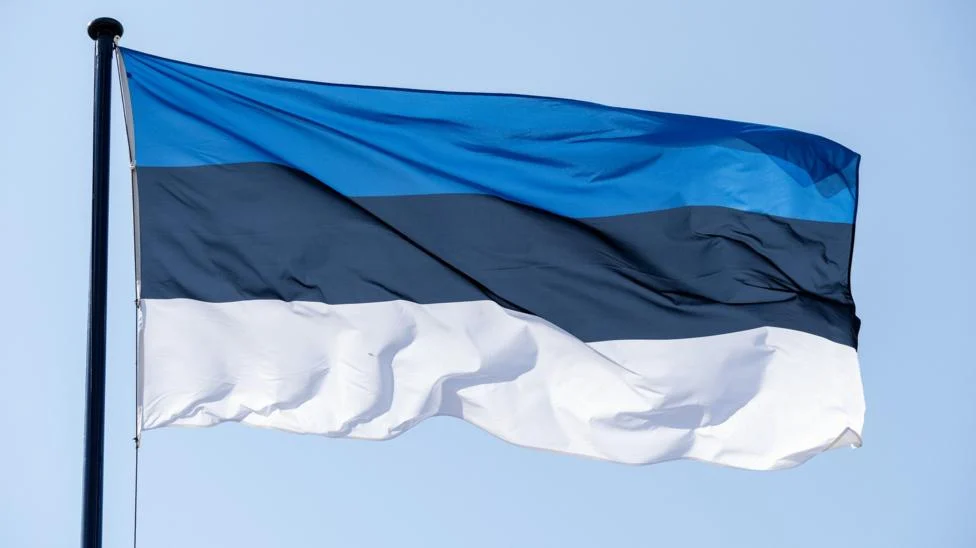
Estonia has become the latest country to announce it will block Russian and Belarusian athletes from competing on its territory due to the ongoing war in Ukraine. This decision follows similar announcements made by Norway, Finland, and Canada amid a growing international backlash regarding the reinstatement of athletes from both nations.
International Rules and Government Backlash
In September, the International Ski Federation (FIS) relaxed its regulations to allow competitors from Russia and Belarus to participate, provided they sign a neutrality declaration and avoid displaying national symbols. Previously, these athletes faced strict background checks regarding any voluntary links or paid duties with the military. Estonia’s government has now written to the FIS, stating that allowing entry to these competitors would undermine the country’s support for Ukraine and serve as a propaganda opportunity.
In a statement issued to BBC Sport, the FIS said it “is committed to offering full support to athletes, national ski associations and local organisers – with most of which we have a long-standing relationship – in the process of navigating what we know to be a very complex situation.”
The sports body added, “With that said, the Individual Neutral Athlete policy is clear in stating that notwithstanding eligibility, the host country visa and entry policies remain in place and are determined solely by the host country. FIS bears no responsibility for denial of visas or entry to any person granted eligibility under the FIS Individual Neutral Athlete Policy.”
Scandinavia and Hockey Restrictions
Norway and Finland announced they would also block visas for Russian athletes because of the conflict. Norway is scheduled to host the cross-country skiing World Cup next month, while Finland is set to stage the figure skating world championships in March. The International Skating Union (ISU) stated it “believes that athletes should not be punished for the actions of their governments in a world where, sadly, many conflicts are ongoing” and noted it was seeking clarifications from Finnish officials.
These developments follow the Court of Arbitration for Sport (Cas) decision last month to overturn a Russia ban imposed by the International Ice Hockey Federation (IIHF). British, German, Finnish, and Czech federations condemned the ruling. Russia had been suspended from IIHF events since invading Ukraine in February 2022, but the Russian Ice Hockey Federation successfully appealed. The court determined that IIHF safety and security arguments were not supported by sufficient evidence, though the Hockey Federation of Ukraine expressed special outrage.
The Canadian government subsequently informed its hockey authorities that it will refuse to issue visas for Russians to play in next month’s World Junior Championship, including athletes currently playing for teams in Canada, for the duration of the war. Several countries had previously stated they would refuse to play against Russia if participation was permitted.
Broader Sports Reinstatements
Despite the ongoing controversy, the return of athletes from Russia and Belarus to international sports has accelerated. The International Paralympic Committee lifted partial suspensions in March, allowing several athletes from both nations to compete under their national flags at the Winter Paralympics.
The International Olympic Committee (IOC) provisionally reinstated Russia in July, declaring that the ban introduced in 2023 following the invasion of Ukraine was no longer applicable. Individual sports federations retain the authority to enforce their own eligibility rules. World Athletics maintains a total ban, whereas World Gymnastics, World Aquatics, and World Boxing have lifted restrictions on Russian competitors.
Moscow was announced last month as the host for the 2030 World Weightlifting Championships, marking the first time an Olympic federation has chosen to stage a global event in Russia since the 2022 invasion.