Table of Content
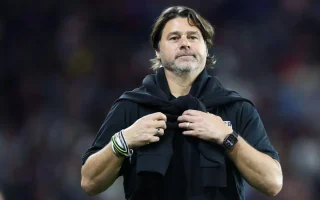
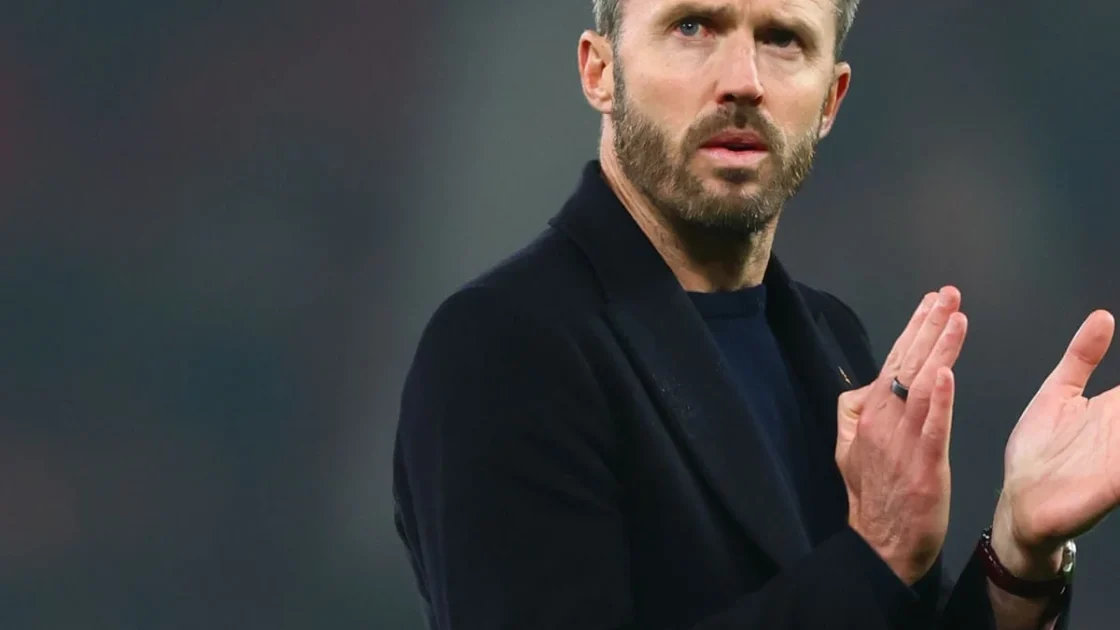
Michael Carrick’s dismissal as Manchester United head coach has once again highlighted the structural dysfunction and indecisive leadership at Old Trafford following years of managerial turmoil. While Mauricio Pochettino emerged as the club’s chosen successor, the erratic search process underscored deep-seated organizational issues within the club’s executive hierarchy.
Executive Confusion and Managerial Candidates
The internal debate surrounding the managerial seat reflected ongoing conflict among United’s leadership. Former Newcastle manager Eddie Howe was initially pushed by Jason Wilcox, United’s top football executive, to replace Carrick. Howe had previously been favored by Dan Ashworth, the former director of football who left the club in December 2024 just five months after joining, to replace Erik ten Hag following the Dutchman’s firing in October 2024. Wilcox had opposed Howe at that time, leading co-owner Sir Jim Ratcliffe to appoint Ruben Amorim instead. Despite rejecting Howe less than two years prior, Wilcox subsequently recommended him to Ratcliffe before the club shifted focus to Pochettino.
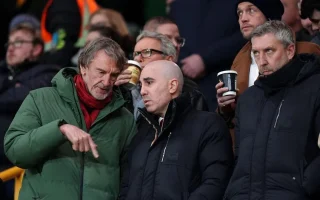
The leadership structure overseeing these decisions features chief executive Omar Berrada alongside Ratcliffe and Wilcox. Additional scrutiny remains on the Glazer family, whose ownership since 2005 has accumulated approximately £1.2 billion in club debt. Critics point out that recurring managerial changes fail to resolve foundational problems while the core executive structure remains intact.
On-Field Struggles and Locker Room Tension
Carrick’s tenure deteriorated rapidly following an impressive spell as interim head coach last season, when United lost just two of 17 matches while securing victories over Manchester City, Arsenal, Liverpool, and Chelsea. This season, however, United managed only three wins in 15 matches across all competitions, suffered early elimination from the Carabao Cup, and collected just eight points from 10 league games to slide into the relegation zone.
Internal friction further undermined Carrick’s authority during his final month in charge. Following a 2-0 defeat against Atlético Madrid, defender Lisandro Martínez publicly questioned Wilcox’s transfer recruitment. Shortly after, team captain Bruno Fernandes criticized Carrick’s tactical approach after a 4-1 loss to Como. Despite retaining strong support from fans—highlighted by a warm reception from the Stretford End following a 3-0 home defeat to Bournemouth—Carrick was unable to arrest the team’s downward spiral.
Handling of the Sacking Process
The management of Carrick’s departure mirrored previous managerial exits at Old Trafford, such as Louis van Gaal’s dismissal immediately after winning the 2016 FA Cup and José Mourinho’s turbulent spell from 2016 to 2018 under former executive vice-chair Ed Woodward. Mourinho famously described finishing second with 81 points in the 2017-18 season as one of his greatest achievements due to the behind-the-scenes dysfunction.
The Guardian reported that Wilcox and Berrada planned to formally recommend Carrick’s termination to Ratcliffe on a Monday evening. Nevertheless, several days elapsed before the decision was finalized and officially executed, during which Carrick continued to conduct daily training sessions while negotiations with Pochettino were finalized in the background.