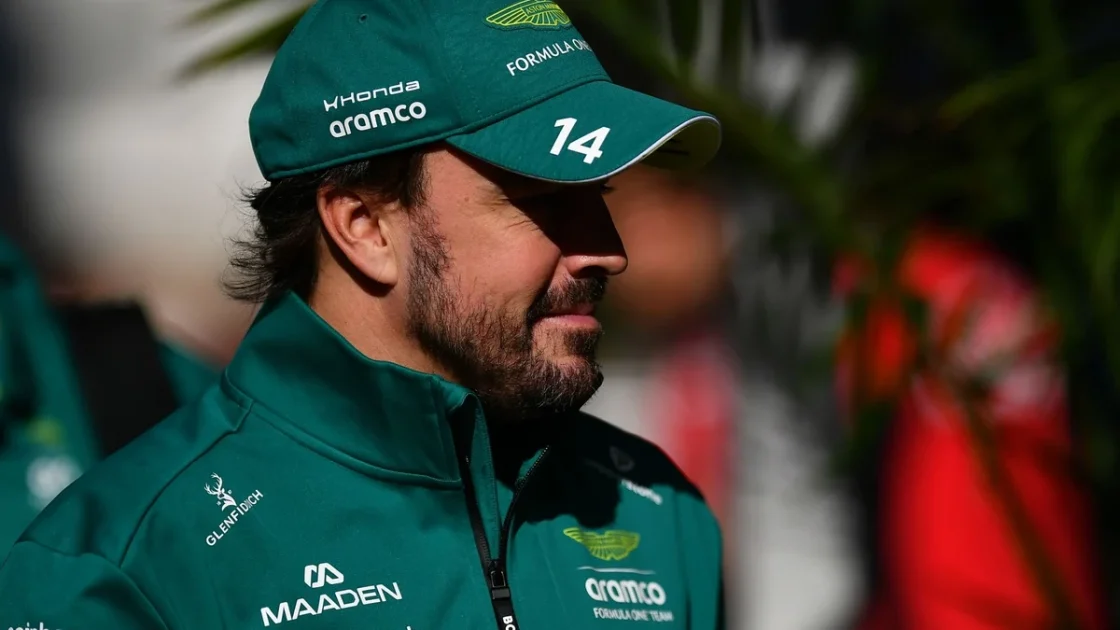
Formula 1 driver Fernando Alonso has reaffirmed his sharp criticism of driving standards at the back of the grid, maintaining that the drivers involved are fully aware of who they are following an opening-lap collision at the United States Grand Prix in Austin.
Standing Firm on Previous Comments
Alonso’s vehicle suffered a heavy loss of downforce after being struck by Williams driver Alexander Albon on the opening lap at the Circuit of the Americas, an incident that Aston Martin chief trackside officer Mike Krack confirmed significantly hindered his race. Speaking in the media pen immediately following Sunday’s grand prix, Alonso expressed frustration, stating that he felt the quality of drivers in the lower third of the grid was very low, and pointed to the incident with Albon as an example.
Addressing media representatives ahead of the race in Mexico City, the two-time world champion clarified that while reports may have attempted to quantify a specific number of drivers, his assessment was not about exact figures. He explained that the individuals targeted by his remarks understand who is being discussed, adding that the collision was an unnecessary mistake and that he still struggles to understand what opportunity Albon saw in that situation.
Backmarkers and the Cost Cap
Alonso noted that this issue has persisted throughout the entire season because he has spent a significant amount of time racing in the lower part of the field. When asked by Autosport if driving standards in Formula 1 have gradually deteriorated over time, Alonso responded that the standards have remained consistent across the years.
Instead, he attributed the frequent incidents to the challenging nature of driving backmarker cars, which possess less grip and are harder to control in chaotic environments. He criticized the frequency of unnecessary lap-one incidents and front-wing damage, particularly when drivers are fighting for positions near the back without major rewards. He also touched upon the financial implications, mentioning that while the current cost cap adds to the problem, it remains up to the respective teams if they are content with breaking parts at every event.
Alonso added that the responsibility for improving these behaviors lies with the teams and drivers rather than the race stewards, noting that stewards should only intervene when an action is explicitly unsafe. He concluded that the conduct of backmarker drivers depends on their own ambitions, whether they wish to extend their Formula 1 careers, secure opportunities with larger teams, or are simply indifferent to crashing.