Table of Content
Formula One has achieved undeniable success with the Las Vegas Grand Prix, drawing enthusiastic crowds and generating billions in economic impact despite initial turbulence. Described by Mercedes driver George Russell as the biggest race on the calendar after Monaco, the event has firmly established itself as a commercial triumph for the sport.
Overcoming a Turbulent Start
When F1 brought the race to Las Vegas in 2023, spending £500m on facilities and the circuit, it faced a rocky debut. Beyond opening-day problems caused by a loose water valve cover, organizers dealt with local opposition and legal challenges over traffic disruption. Emily Prazer, the chief commercial officer for F1 and president of the Las Vegas GP, acknowledged the early friction, stating as reported by Sport | The Guardian that organizers acted a bit like a “bull in a china shop” with limited preparation time before holding regular consultations to address community concerns.
Working alongside Clark County administration and the Las Vegas Convention and Visitors Authority, organizers successfully shifted local sentiment by delivering massive financial returns. Over its first three years, the event generated $3.2bn (£2.4bn) in economic impact across Southern Nevada, while contributing $45m and $43m in tax income respectively over the past two years. Research from 2024 showed average visitors spent $2,400 excluding race tickets, turning what was once the city’s quietest weekend into a lucrative period.
Commercial Growth and New Regulations
Las Vegas has also become a major hub for F1 business partnerships. The sport announced a new deal with wearable technology brand Whoop to broadcast live driver heart rates, alongside partnerships with Nike and Lego, which featured four-foot-tall driver minifigures in the paddock and celebrity Lego races.
Meanwhile, F1 and the FIA formally announced an agreement in Las Vegas on Friday to introduce 2.1-litre V8 engines for 2030, featuring a smaller electric element and aiming for lighter, cheaper power units focused on attack-oriented racing. Despite earlier driver complaints over engine regulations, fans in the vibrant East Harmon fan zone remained enthusiastic despite cold and rainy practice conditions.
Gemma, a 24-year-old visitor from New York state attending her first F1 event with friends, told Sport | The Guardian, “We love the cars. Love the drivers. It’s fun, exciting, there’s so much action and coming to Vegas, even in the rain they look amazing here.”
On-Track Action in Las Vegas
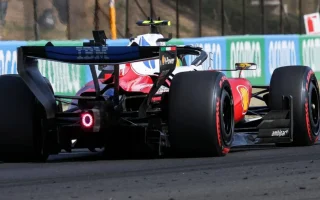
Adverse weather disrupted Friday’s schedule, with no competitive lap times set during a rain-hit first practice session as teams avoided risks on a wet track. Conditions improved slightly for the second session, allowing drivers to use intermediate tires on the damp surface. George Russell topped the timesheets for Mercedes, followed by Alpine driver Pierre Gasly in second and Ferrari’s Charles Leclerc in third.