Table of Content
Life as an unemployed football manager shifts dramatically from relentless pressure and sleepless nights to a sudden quiet where nobody calls. The Athletic spoke with several managers to understand the reality of being out of work and how they navigate their way back into the sport.
The shock of losing a job
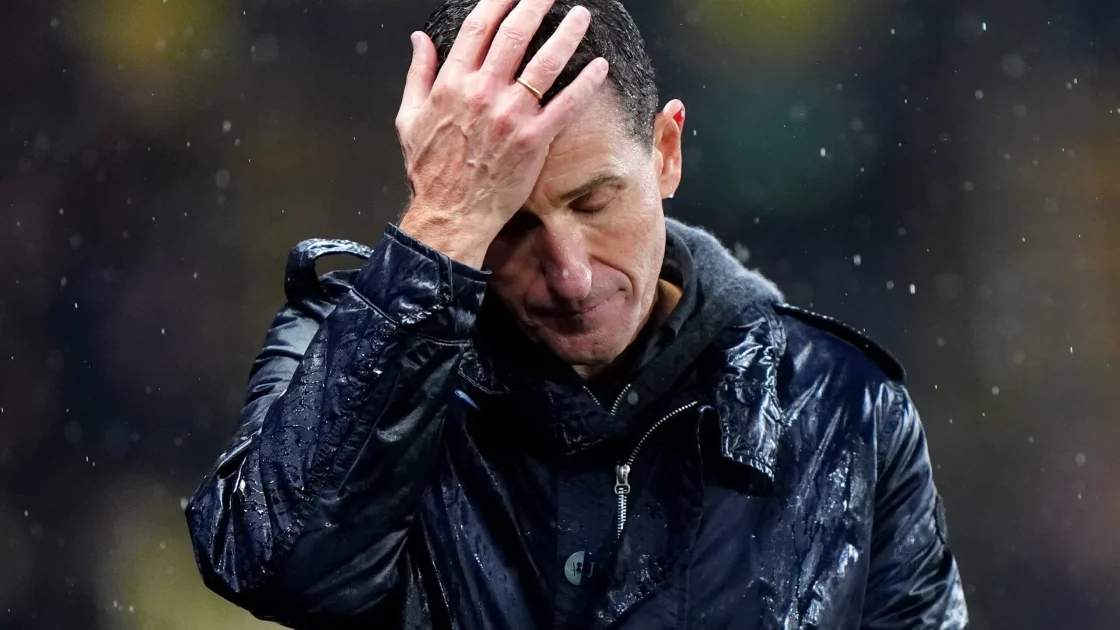
Javi Gracia, 56, has managed 12 senior teams in five countries and has been out of work since resigning as Watford head coach on February 1. Matt Bloomfield found himself without a job following his exit from Oxford United on June 20, marking his first summer without a pre-season involvement since 2000. Karl Robinson was sacked by Salford City in early June, just days after losing the League Two play-off final at Wembley. Robinson admitted that the dismissal left him so angry that he initially hated football, while Bloomfield noted that losing a role forces managers to mourn the loss of an opportunity they were driven to succeed in. Gracia explained that he chose to leave Watford after only three months back because the club failed to strengthen the squad in January as discussed.
The benefits and the restlessness
Being out of work offers rare chances to rest, exercise, and spend time with family, such as Bloomfield playing cricket with his father for the first time in 25 years and being more present for his daughters. However, football obsessives remain restless, constantly watching matches and studying tactical approaches from different leagues. Bloomfield uses analytical databases daily and plans his schedule in advance, while Gracia stays in regular contact with his coaching staff. Unemployed managers often use media work to stay visible, with Bloomfield appearing as a pundit on Sky Sports and Robinson guesting on podcasts.
The interview process and returning to the dugout
Clubs typically recruit managers through headhunting or direct registration, leading to interviews with senior figures such as sporting directors, owners, or chief executives. Gracia noted that interviews can range from one to multiple conversations, requiring managers to demonstrate adaptability. Robinson stressed the importance of respectful behavior, avoiding the maneuvering while others are still in jobs. When considering offers, Gracia looks at why a club wants him and what they expect, noting that financial packages can vary enormously, such as when he was offered ten times his previous salary at Russian club Rubin Kazan in 2016.
Waiting for the right opportunity
Vacancies open up regularly across England and continental Europe, leading to interviews, discussions, and turned-down offers for managers evaluating their next steps. Robinson was interviewed for the Peterborough United role eventually given to Robbie Savage and turned down discussions in Belgium and the United States due to his desire to reach 1,000 games in the United Kingdom. Bloomfield turned down two interview opportunities due to family commitments, while Gracia spoke with Burnley and turned down two Spanish second-division offers. Robinson has already returned to management by taking charge of League One side Bromley, leaving Gracia and Bloomfield still waiting for the right opportunity to return to the training ground.