Table of Content
Honda technical director Romano Albesiano stated to Autosport that aerodynamics will play an even more crucial role in MotoGP under the upcoming 2027 regulations, despite rulemakers aiming to limit its impact.
Upcoming Technical Overhaul
MotoGP is implementing a major technical rulebook overhaul next year designed to improve safety, sustainability, and the spectacle of grand prix racing. The new regulations introduce changes spanning the chassis, engine, aerodynamics, and the official tyre supplier.
A primary goal of the 2027 ruleset is decreasing reliance on aerodynamics through strict limitations on the use and dimensions of winglets. This shift attempts to reverse a trend started by Ducati in the mid-2010s that critics blame for making it difficult for riders to closely follow competitors on track.
Although Albesiano anticipates the regulations will successfully restrict prominent aerodynamic elements like front winglets, he expects engineers to devise innovative methods to generate downforce. Almost every external motorcycle component will continue to be shaped with airflow in mind.
Albesiano explained to Autosport that the regulations target a reduction in aero and wings, likely resulting in less downforce from those specific components. However, he noted that engineers currently manipulate airflow around the entire motorcycle rather than focusing solely on wings, managing air pressure across every single section of the machine.
Specific Dimensional Restrictions
The 2027 rules enforce several dimensional reductions, lowering the maximum front fairing width from 600mm to 550mm and cutting the height from 1250mm to 550mm. Additionally, the foremost point of the front fairing shifts backward by 50mm, and the rearward taper narrows.
These modifications will noticeably alter the visual appearance of MotoGP machines, but Albesiano does not foresee a shift in the core strategy of aerodynamic development. He highlighted the body, particularly the lower section and the rear, as ongoing areas of focus.
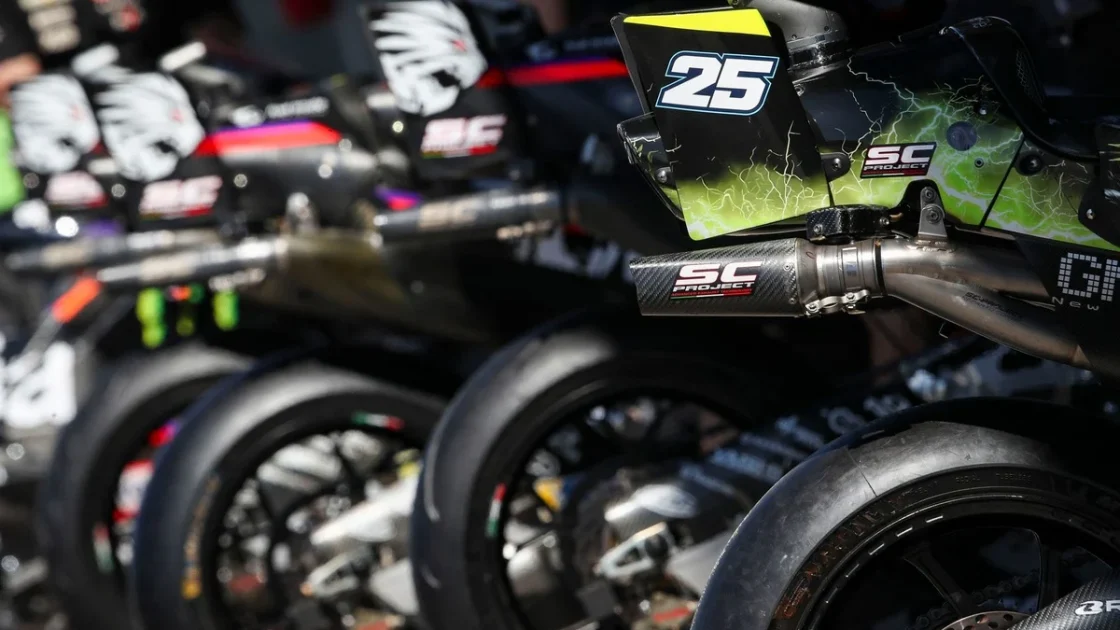
Albesiano noted that nearly all visible parts must balance mechanical and aerodynamic requirements, pointing out that components like the swingarm function as aerodynamic parts. Furthermore, exhaust systems must now serve engine performance while simultaneously fitting into the broader aerodynamic project of the bike.
Broader Racing Challenges
While increased aerodynamics is widely cited as the main cause for declining race quality and difficulties in cornering behind other bikes, Albesiano emphasized that other elements also impact racing. He identified front tyre pressure management as another major hurdle.
With Pirelli stepping in to replace Michelin as the official MotoGP tyre supplier in 2027, the paddock waits to see whether riders will still face issues maintaining minimum front tyre pressure limits during races.
Albesiano expressed hope that front tyre pressure management will prove less critical next year, though he acknowledged uncertainty. He concluded that while front tyre pressure heavily impacts races rather than qualifying sessions, both aerodynamics and tyre pressure remain significant factors affecting the sport.