Table of Content
Displaced Afghan women cricketers have criticized international players who signed up for the inaugural Afghanistan Premier League, stating that participation sends a message that the suffering of women in the country can be ignored. Women’s sport has been effectively banned since the Taliban returned to power in 2021, forcing many female cricketers to flee Afghanistan for safety.
The Inaugural Franchise League
The men’s franchise competition is scheduled to begin in December in the United Arab Emirates, although it has not yet received official sanctioning from the International Cricket Council. In September, the England and Wales Cricket Board advised players to reconsider their involvement, prompting batter Ollie Pope to withdraw from the tournament.
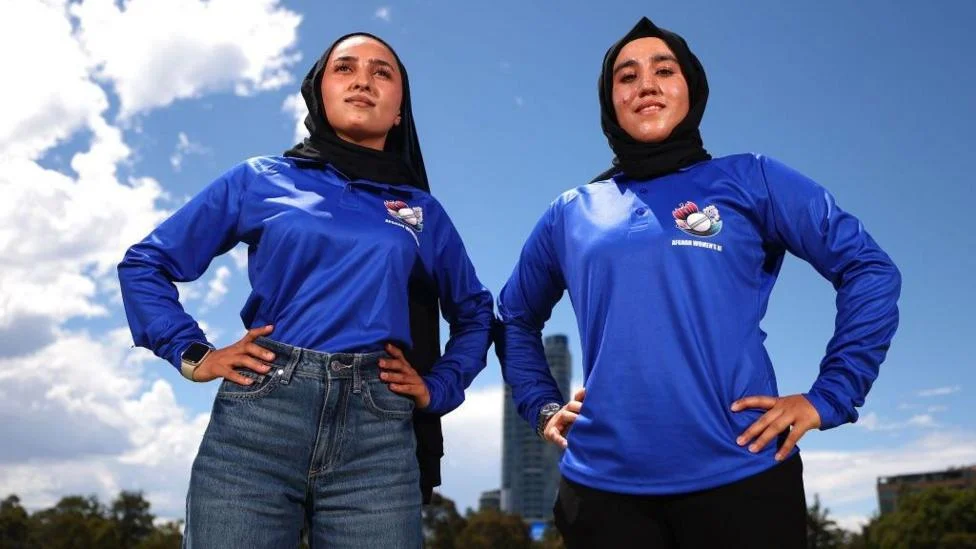
During an appearance on the BBC Stumped podcast, Nahida Sapan, who captained the Afghanistan Refugee Women’s XI during their summer tour of England, explained the perspective of displaced players. She stated that foreign athletes missed a clear opportunity to support millions of Afghan women and girls by choosing not to take part. Sapan emphasized that the stance is not opposed to cricket or Afghan men’s cricket, but rather focuses on defending fundamental human rights.
Draft and International Signings
The player draft concluded on Tuesday with eight English cricketers selected alongside competitors from Scotland, Ireland, Australia, and New Zealand. The English contingent features Alex Hales, Tymal Mills, Joe Clarke, Olly Stone, Moeen Ali, Luke Wood, Tom Moores, and Chris Wood. Additional overseas draft entries included Dawid Malan and James Vince, giving England the largest foreign representation in the league.
Other notable international signings include George Munsey of Scotland, Irish all-rounder Curtis Campher, Sri Lankan internationals Kusal Perera, Wanindu Hasaranga, Dushmantha Chameera, and Kamindu Mendis, Australian batter D’Arcy Short, South African spinner Imran Tahir, and Bangladeshi all-rounder Shakib Al Hasan. While the ECB and Cricket Australia refuse to play bilateral series against Afghanistan due to the Taliban’s policies, both nations continue to face Afghanistan in global tournaments.
Sapan reiterated that the dignity and freedom of Afghan women outweigh any sporting opportunity. She warned that competing in the league without addressing the situation risks normalizing the exclusion of women.
Calls for ICC Recognition
Afghanistan’s women players have repeatedly urged the ICC to restore their status as an official international team and provide sustained financial backing. In the absence of formal recognition, the athletes compete as the Afghan Refugee Women’s Team. The ICC, alongside the cricket boards of England, Australia, and India, established a joint financial support program in April 2025, which received an extension in July.
Batter Firooza Amiri called on international participants to examine the implications of joining the tournament. She noted that athletes possess the freedom to choose their competitions, which carries a responsibility to understand the systems they may support. Amiri clarified that the appeal does not ask players to abandon the people of Afghanistan, but rather to distinguish between supporting the population and legitimizing a system that strips women of their rights.
Despite failing to meet membership requirements that mandate support for a women’s national team, the Afghanistan men’s team retains full ICC membership. Amiri questioned whether the global cricket community remains committed to its core values regarding Afghan women, asking how supporters would feel if their own family members faced similar restrictions from public life and sport.