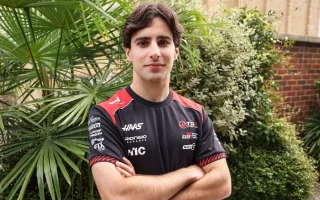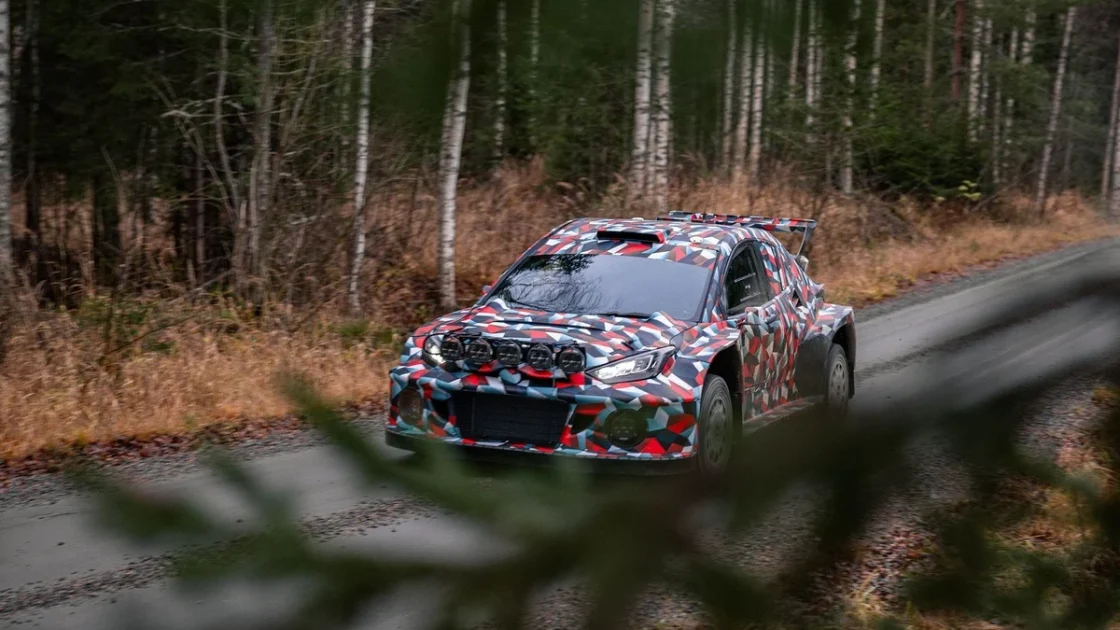
Toyota has outlined the reasoning behind its unusual strategy to field two distinct Rally1 models and divide its six-driver line-up into two separate teams for the 2027 World Rally Championship. The reigning champions revealed plans to homologate both GR Celica and GR Yaris body shapes under upcoming technical regulations, emphasizing that the underlying machinery for both cars remains identical following an initiative conceived by World Rally Team chairman Akio Toyoda.
Team Line-Ups and Marketing Strategy
The revised structure places defending champion Elfyn Evans alongside Oliver Solberg and Sami Pajari in the GR Celica—marking the iconic nameplate’s return to the WRC for the first time since the 1990s—competing under the Toyota Racing banner. Meanwhile, returning world champions Ott Tanak and Kalle Rovanpera (who will contest a partial campaign) will join Takamoto Katsura to pilot the GR Yaris under the Gazoo Racing moniker. Toyota views this two-team, two-car concept as an opportunity to promote multiple products, generate compelling narratives, and enhance fan engagement.
Toyota Gazoo Racing WRT team principal Jari-Matti Latvala told Motorsport.com that the new cost-capped regulations reduce vehicle expenses, enabling the team to operate additional cars within the same budget. Latvala added that the Celica carries a rich history of success from the 1970s, 1980s, and 1990s, making it an iconic model that is vital to the manufacturer’s heritage and a great attraction for supporters.
Latvala explained that the driver assignments were determined without consulting the competitors themselves. Because Tanak and Rovanpera previously secured their titles behind the wheel of a Yaris, they were naturally placed in the Yaris squad, while the Celica team was formed by pairing emerging talents Solberg and Pajari with reigning champion Evans.
Technical Challenges and Aerodynamic Parity
Addressing the engineering side, Toyota technical director Tom Fowler noted that ensuring performance parity between the two models presented a significant hurdle. Fowler stated to Motorsport.com that achieving identical drag figures between the GR Celica and GR Yaris shapes was a primary target from the inception of the project.
Fowler explained that the cars are completely identical except for their body shapes and resulting aerodynamics. The development process required engineers to work simultaneously toward the same aerodynamic target with two separate models, managing physical differences while ensuring the final performance outcomes matched identically.