Table of Content
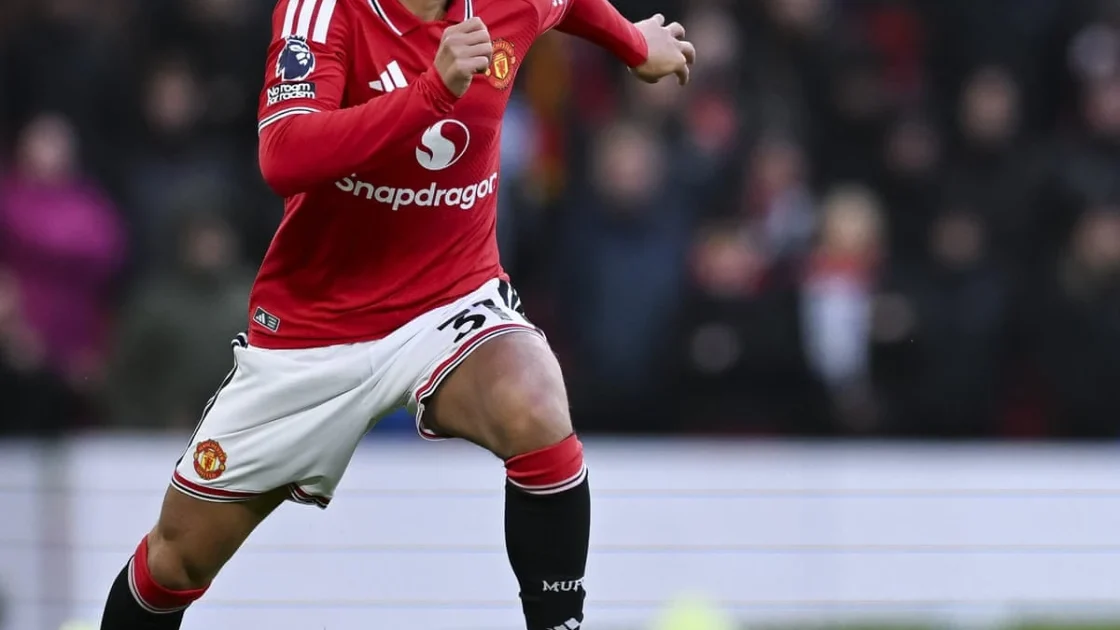
Recent disappointing performances by Manchester United against Como and Bournemouth have sparked comparisons with the club’s storied past. Two of United’s most famous eras were built around youth players, raising the question of whether Michael Carrick should give the club’s talented academy products a meaningful chance.
The Promise and Reality of Youth
During an FA Youth Cup match in February 2025 at the Emirates Stadium, Jack and Tyler Fletcher performed well for United alongside Harry Amass, a signing from Watford. However, none of the players from that United team have established themselves in the first team. Amass has made only two substitute appearances this season, while winger Shea Lacey has featured four times from the bench and started one Carabao Cup game.
Supporters at Old Trafford traditionally favor academy products, and the two current regulars, Kobbie Mainoo and Marcus Rashford, are well established. While youth-team players bring spirit, identity, and a deep pride in the shirt that money cannot always buy, they require a proper chance to prove themselves. Players need a minimum of three consecutive starts to demonstrate their potential to become regulars, rather than just an occasional appearance in the Carabao Cup.
This challenge extends to 16-year-old JJ Gabriel, whose advisers reportedly feel he might be better off elsewhere, echoing the career path of players like Noni Madueke. The wider issue is that youth systems should produce players for senior teams rather than act as trading posts to raise funds for foreign signings.
Wider Premier League Concerns
Other top clubs face similar challenges with homegrown talent. Tottenham Hotspur has a history of bringing through internationals such as Sol Campbell, Ledley King, Harry Kane, and Andros Townsend, but Mikey Moore is currently their only homegrown player with a Premier League appearance this season. The loan system can prove beneficial, as seen with Kane’s development after spells at Leyton Orient and Norwich City, but young players ultimately require a sympathetic manager and a strong advocate to break through.
Liverpool named a 25-man Premier League squad in August without a player born in the city, though young English players like Rio Ngumoha and Trey Nyoni have started matches outside the Carabao Cup this season. Such trends raise concerns that the national team talent pool is being eroded.
Refreshing the Academy System
The academy system requires a significant refresh, starting with the abolition of under-21 football. Retaining 18-year-olds simply to maintain squad sizes for a potential diamond hinders their development, and players should be released by 18 at the latest if they are not playing in the first team or out on loan. Young players need the competitiveness of senior football early, as academy matches lack the physical and mental intensity of the professional game.
Top managers face immense pressure to win immediately and can be reluctant to give youth a chance, sometimes isolating themselves from the academy altogether. Recent observations of United’s under-21s by Michael Carrick indicate an active interest, suggesting this could be the right moment to show bravery and trust the youth.