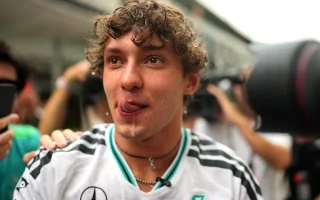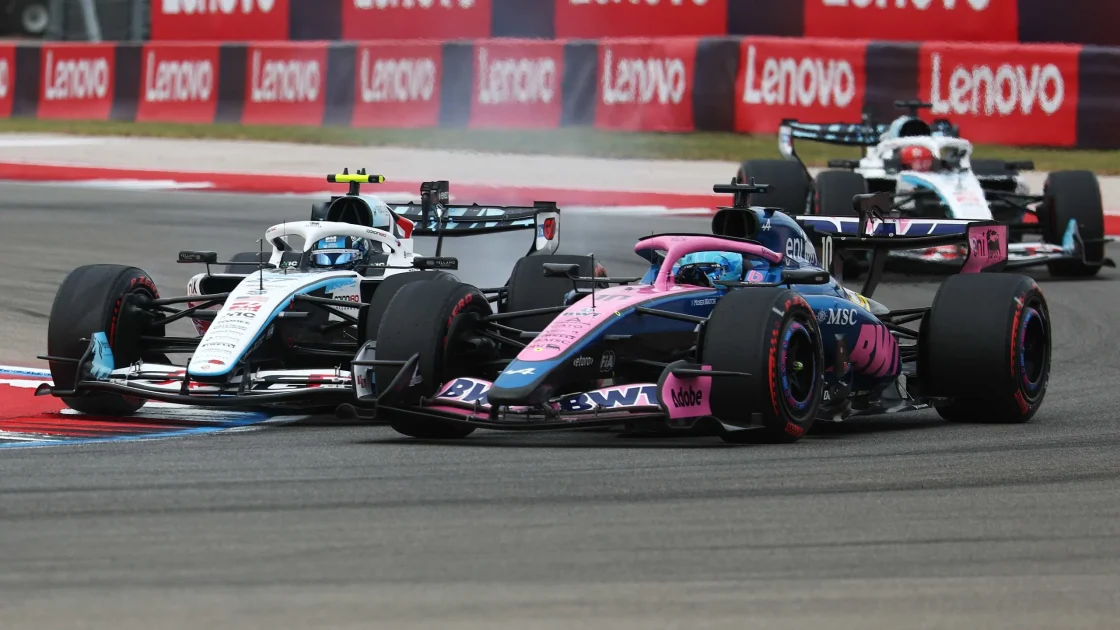
Ollie Bearman and Pierre Gasly have spoken about their collision during the United States Grand Prix at the Circuit of The Americas, where Bearman maintained that he did not regret attempting the overtake despite receiving a penalty.
The Incident at Turn 13
During the early stages of Sunday’s race, both drivers battled near the edge of the top 10 as a Virtual Safety Car period concluded. Bearman, who had gained two positions on the opening lap, attempted a late lunge up the inside of Gasly at the right-hander of Turn 13, resulting in wheel-to-wheel contact between the two cars.
While Bearman successfully passed the Alpine driver, the Haas car sustained significant floor damage and the rookie received a 10-second time penalty. The mounting mechanical issues ultimately forced Bearman to retire his car.
According to Bearman, speaking to Latest F1 News, Gasly appeared to notice the move because he left some room, but it was insufficient. He noted that there was only enough space for half a car and he was already committed to the line.
Bearman stated that the contact caused major damage to his vehicle and likely harmed Gasly’s car as well. He felt the severe penalty was disproportionate and that the punishment effectively ended his race because he was losing a full second per lap in downforce.
“In my view it was a racing incident,” Bearman added.
Aggressive Tactics and Gasly’s Response
Bearman explained that he needed to drive aggressively because Haas currently lacks the raw pace to compete on merit against midfield rivals such as Alpine and Racing Bulls for minor points.
Gasly ultimately crossed the finish line in 10th place, securing a final championship point. However, the Frenchman confirmed that the contact also inflicted substantial floor damage, which he believes prevented him from challenging Liam Lawson of Racing Bulls for ninth position.
Gasly expressed satisfaction with salvaging a point given the severity of the floor damage, which he noted was surprising given the light nature of the initial touch. He described the overtaking attempt as a bit optimistic rather than reckless, concluding that it was simply not the cleanest maneuver.