Table of Content
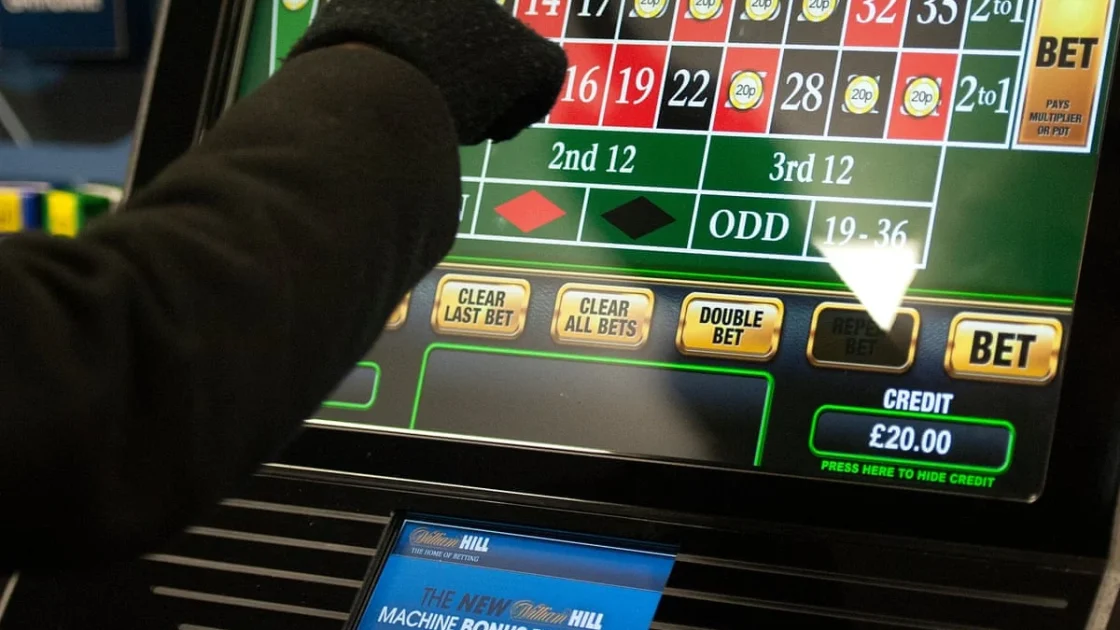
The UK horseracing industry is once again facing budget-related anxiety as it nervously anticipates Wednesday’s budget amid warnings that Chancellor John Healey could effectively sound the death-knell for high-street betting shops. Healey is widely expected to raise the rate of machine games duty, a move that could lead to widespread shop closures and significantly impact racing’s income from off-course gambling.
The Threat of Duty Hikes and Industry Warnings
The prospect of a significant hike in machine games duty was initially floated by a report from the Social Market Foundation thinktank in June, which recommended doubling the duty rate on profits from high-street gaming machines from 20% to 40% to reflect higher rates of harm compared to traditional betting. The gambling industry responded swiftly, warning via a Regulus Partners report that up to 4,000 of the UK’s 5,500 betting shops could close over the next three years, costing racing an estimated £92m in annual income.
Greg Swift, the British Horseracing Authority’s director of communications and corporate affairs, stated this month that this would have devastating consequences for British racing, hitting prize money, Levy funding, and the ability to continue investing in equine welfare and veterinary research projects. Subsequent rumors ahead of the budget suggest Healey is considering a less dramatic rise from 20% to 25%, though the industry warns this could still lead to hundreds of closures and tens of millions in lost revenue.
High-Street Evolution and Retail Exposure
While the end of the high-street betting shop has been regularly forecast over the last couple of decades due to online gambling and the previous campaign to cut maximum stakes on fixed odds betting terminals from £100 to £2, the current total of 5,500 shops reflects a broader market shift among younger generations. However, racing remains heavily exposed to a reduction in shops because retail income is tied to media rights contracts agreed on a per-shop basis, with the Regulus report suggesting racing receives about £27k in media rights and Levy payments from the average shop’s total annual revenue of £440k.
The British Horseracing Authority previously took offense when Prime Minister Andy Burnham lumped betting shops alongside vape shops and adult gaming arcades as undesirable high street presences. Yet, if an outlet cannot absorb a modest rise in machine games duty, it ceases to be a traditional betting shop and functions instead as a mini-casino with betting on the side.
The Legacy of Fixed Odds Betting Terminals
At the turn of the century, betting shops were a familiar part of the high street until a rush to maximize the installation of four fixed odds betting terminals in high-density areas changed the landscape. Bookmakers themselves effectively ended the old-fashioned betting shop through corporate greed that targeted the UK’s most deprived areas, leading to extreme clustering such as 18 shops on a single main high street in Hackney.
While this represented a wholesale plunder of local communities via casino-gaming, racing largely sat on the sidelines and continued to collect cash from media rights deals, even actively supporting industry warnings of disaster during the 2018 campaign to cut terminal stakes. Consequently, as the gambling industry faces potential fallout from Wednesday’s budget, the horseracing sector has few genuine grounds for complaint if it continues to pay the price for its past complicity.