Table of Content
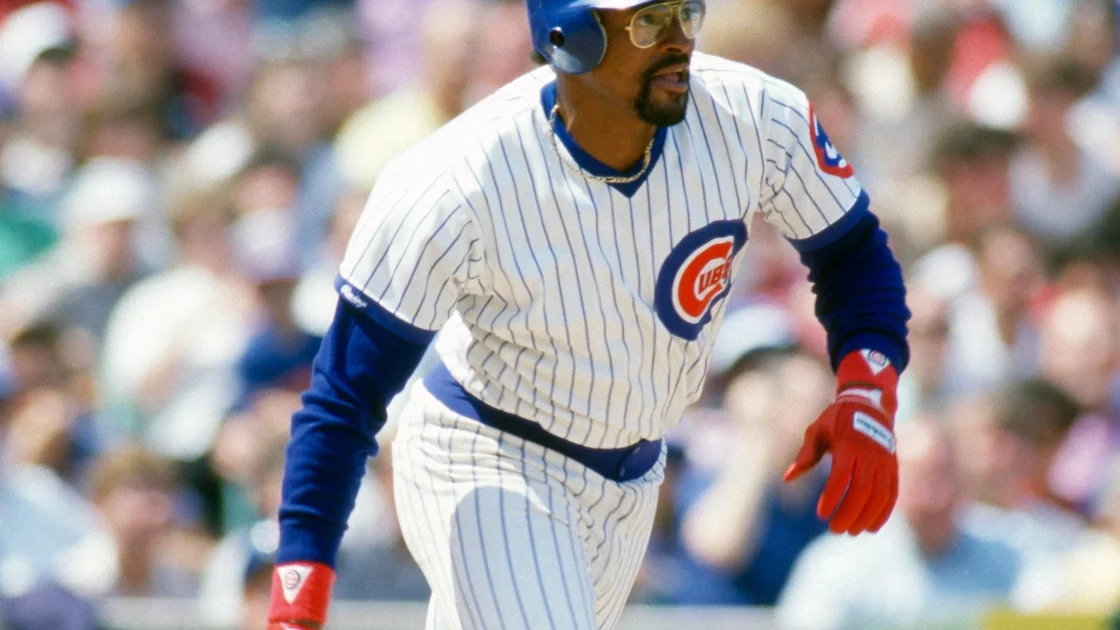
When the Chicago Cubs traded star reliever Bruce Sutter to the St. Louis Cardinals in December 1980 in exchange for Ken Reitz, Ty Waller, and Leon Durham, the fanbase reacted with widespread frustration. Sutter had been one of the most dominant closers in Major League Baseball, racking up 133 saves with a 2.29 ERA and 494 strikeouts over the previous four seasons, but the Wrigley ownership was unwilling to pay his $700,000 arbitration salary.
From Unknown Prospect to Cubs Star
While Reitz was the established veteran in the deal, Durham arrived as a former first-round draft pick who had placed seventh in Rookie of the Year voting for St. Louis in 1980. After a solid strike-shortened 1981 campaign mostly spent in right field, Durham broke out in 1982 by batting .312 with 22 home runs, earning an All-Star nod and a Silver Slugger award with a 4.7 bWAR season.
Following a shift to left field in 1983, Durham moved to first base in 1984 when the Cubs acquired Gary Matthews. This defensive shift ultimately led to Bill Buckner being benched and later traded to Boston for Dennis Eckersley. Durham posted a strong 1984 season with a .279 batting average and 23 home runs, helping the Cubs reach the postseason.
The 1984 NLCS and the Gatorade Glove
Despite his regular-season success, Durham became central to a painful moment in franchise history during Game 5 of the National League Championship Series against the San Diego Padres. With the Cubs holding a 3-0 lead, a crucial seventh-inning error by Durham opened the door for a Padres comeback that clinched the pennant.
The error was later tied to an unusual dugout incident earlier in the game when second baseman Ryne Sandberg knocked over a large cooler of Gatorade, soaking Durham’s equipment. Durham told United Press International in a recent interview from Cincinnati that his glove was sticky and wet from the entire container, though he believed the interior remained usable. Durham emphasized that he held no ill will toward Sandberg, stating he did not even know at the time who had knocked over the juice and hated to see Sandberg’s name brought up in connection with the play.
Substance Abuse Struggles and Coaching Legacy
Durham continued to produce for the Cubs over the next three seasons before a difficult start to 1988 led to a trade to the Cincinnati Reds for reliever Pat Perry. Shortly after the trade, Durham entered a substance-abuse program. Cincinnati Reds general manager Murray Cook announced the agreement after Durham missed three games in Montreal, using the situation to advocate for mandatory drug testing and a definitive drug program between management and players, as reported by sports.yahoo.com. After failing another drug test during a comeback attempt with the Cardinals in 1989, his Major League playing career ended.
Following a stint in independent baseball, Durham launched a lengthy coaching career in the minor leagues. He served as the hitting coach for the Triple-A Toledo Mud Hens for 16 seasons between 2001 and 2016, spent a year as the Detroit Tigers assistant hitting coach in 2017, and later coached for two years at Triple-A Louisville in the Reds organization.
Over eight seasons with the Cubs, Durham accumulated 15.1 bWAR and provided lasting memories for the team that ended a 39-year postseason drought in 1984, ultimately finding redemption through a respected career as a minor league batting coach.