Table of Content
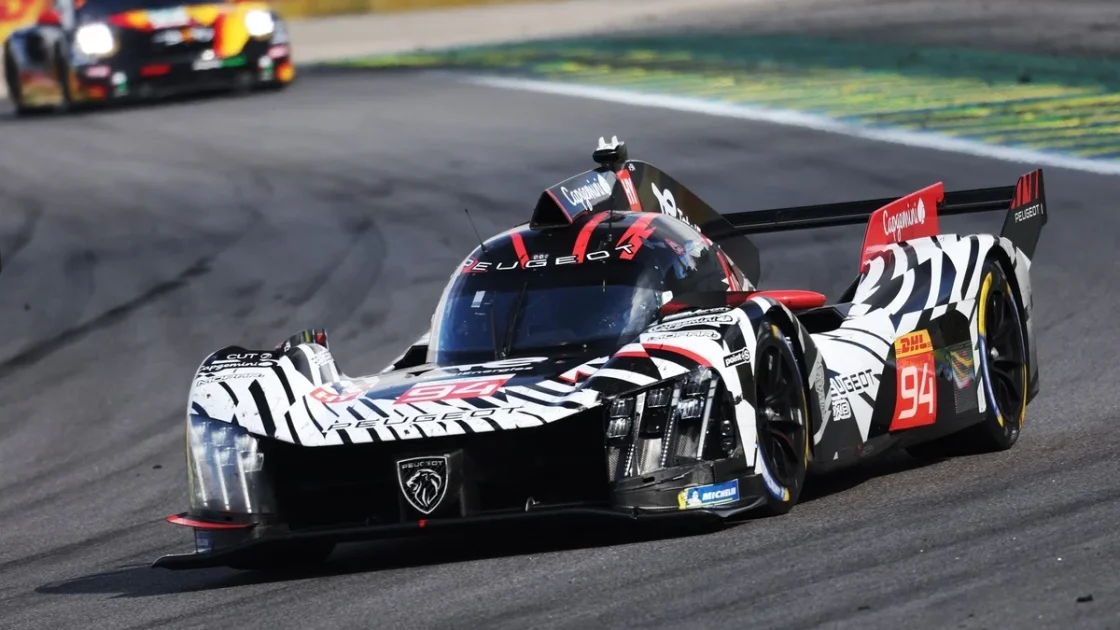
Peugeot is reportedly preparing to shut down its Hypercar programme and withdraw from the World Endurance Championship (WEC) with immediate effect. According to reports from Autosport’s sister title, Motorsport-Total.com, the decision comes despite the manufacturer having already confirmed its driver lineup for the upcoming season and invested years into developing a heavily updated vehicle for 2027.
Corporate Decision-Making and Labor Consultations
The timing of the potential exit aligns with the 23 November deadline for 2027 WEC registration, which would allow Peugeot to avoid financial penalties from the Automobile Club de l’Ouest (ACO) for withdrawing a planned entry. Sources indicate that the decision was made at short notice within the Stellantis corporate boardroom, bypassing the motorsport division based in Versailles-Satory.
Stellantis has confirmed that extraordinary meetings of the Social and Economic Committee (CSE) and the central group works council have been convened to discuss the future of Stellantis Motorsport. In a statement provided to Motorsport-Total.com, a spokesperson for Stellantis Motorsport said, “At this stage, we cannot provide any indication about these topics to respect the information and the consultation process. We will update you in due time, should you have any questions.” Under French labor law, such consultations are mandatory before significant strategic shifts can be implemented.
Performance and Financial Pressures
The Peugeot 9X8 LMH, which debuted in 2022, struggled to meet performance expectations. Despite its unique design—notably the absence of a rear wing—the car failed to secure a race win during its five-year tenure, achieving only four podium finishes and one pole position. Reports suggest this lack of success, particularly when compared to the three consecutive Le Mans 24 Hours victories achieved by Ferrari, influenced the decision. Ferrari chairman John Elkann, who also chairs Stellantis, holds a significant stake in the group.
Financial factors also appear to be a primary driver for the exit. Estimates suggest Peugeot spent over 30 million euros annually on the Hypercar project, compounded by the lack of a manufacturer-agreed budget cap. These costs are being evaluated against the backdrop of a broader crisis in the automotive industry; Stellantis reported a net loss of 22.3 billion euros for the 2025 fiscal year.
Furthermore, the internal support for motorsport within the group has shifted. Former CEO Carlos Tavares, an advocate for the WEC project, departed at the end of 2024. His successor, Antonio Filosa, is described as a turnaround specialist with less focus on racing initiatives.
Impact on Drivers and Future Plans
The potential withdrawal leaves the future of the 2027 driver roster in doubt. Peugeot had recently announced Robert Shwartzman and Alex Quinn as newcomers, with Jean-Eric Vergne set to return alongside existing drivers Nick Cassidy, Loic Duval, and Paul di Resta. Should the exit proceed, Peugeot would become the second French manufacturer to leave the championship following 2026, joining Alpine.