
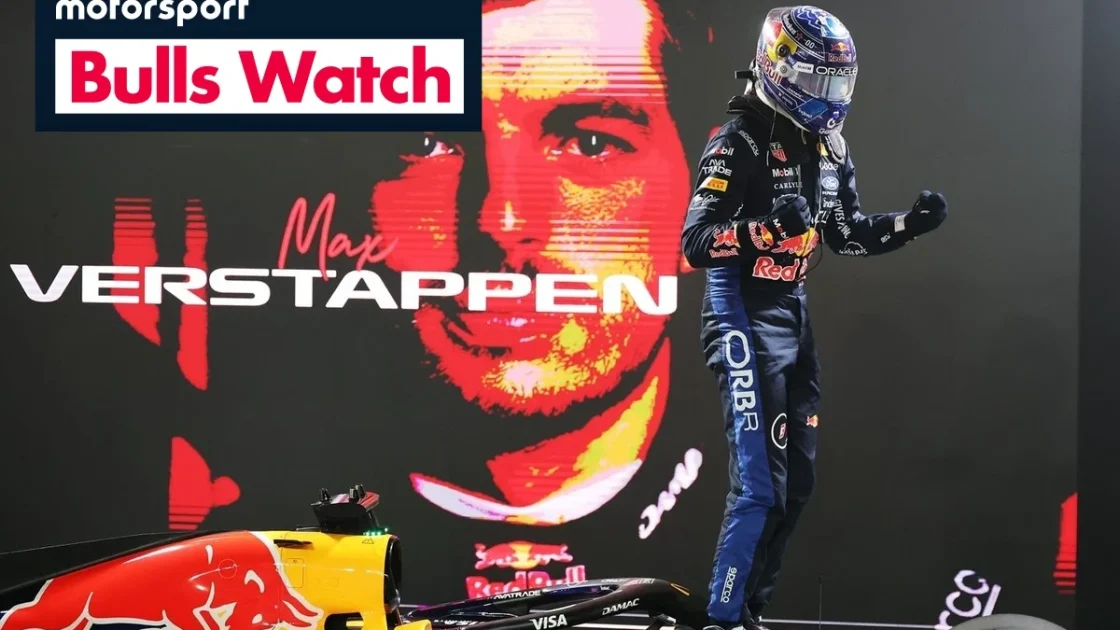
Following a chaotic Las Vegas Grand Prix featuring 352 overtakes that he compared to playing “Mario Kart,” Red Bull Racing driver Max Verstappen has outlined his vision for Formula 1’s next major regulation overhaul in 2030. Speaking to reporters ahead of the Qatar Grand Prix at Losail, the four-time world champion called for significantly lighter cars, the elimination of artificial straight-line aids, and a return to engines that do not rely heavily on battery harvesting.
A Call for Lighter Cars and Simpler Engines
Verstappen explained that his primary goal for the 2030 rules cycle is a reduction in car weight and the removal of reliance on electrical harvesting during a lap. While noting that the 2026 technical rules will shrink car dimensions and lower the minimum weight from 800 kilograms to 768 kilograms, the increased reliance on a near 50-50 combustion-to-electric split creates too much battery dependency. According to Motorsport.com, Verstappen noted that while the racing in Nevada worked for television audiences, it did not feel like proper Formula 1.
To fix the racing, Verstappen suggested that cars could feature designs with more aerodynamic drag in a straight line, reducing the need for DRS. He added that while a push-to-pass system is acceptable, the power unit needs to offer a more natural response under the driver’s right foot, similar to older naturally aspirated models like the 2011 Red Bull RB7. He stated that hybrid elements and turbochargers are acceptable to meet noise restrictions, provided they do not override the natural driving element.
The FIA 2030 V8 Framework and Track Calendars
Verstappen’s preferences align with a framework agreed upon by the FIA, Formula 1, teams, and manufacturers on November 20 in Las Vegas for a 2030 power unit framework. The upcoming rules feature a 2.1-litre turbocharged V8 running on advanced sustainable fuels with limited hybridisation, bringing eight-cylinder engines back for the first time since 2013 and shortening the 2026 engine era by one year. Pending formal approval by the FIA World Motor Sport Council in Shanghai, FIA president Mohammed Ben Sulayem stated the rules will combine the V8 with lighter, simpler, and more affordable cars centred on driver skill.
Regarding whether smaller cars could enable a return to traditional circuits, Verstappen maintained a pragmatic view, noting that commercial financial models heavily dictate scheduling. He acknowledged that while classic tracks like Spa-Francorchamps offer superior driving experiences, city-centre venues in locations like Las Vegas and Miami provide commercial opportunities that traditional circuits cannot match.
Under F1’s current European rotational agreement, Circuit de Spa-Francorchamps is scheduled for the 2026, 2027, 2029, and 2031 seasons, meaning Verstappen’s favored track will sit out the 2030 calendar year.