
Table of Content
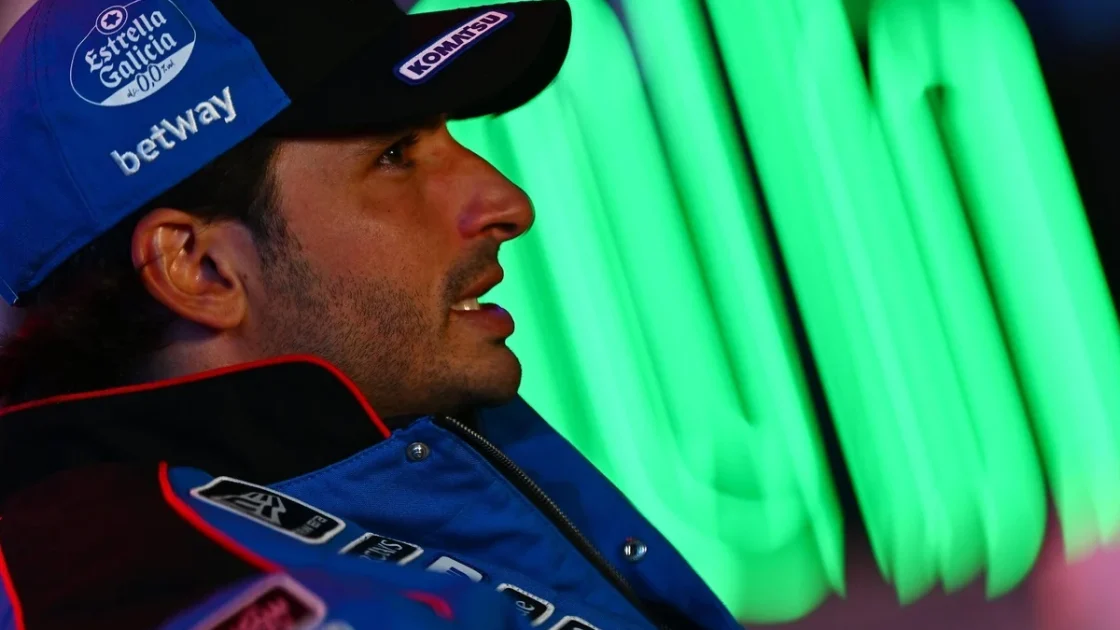
Formula 1 is currently preparing for its return to V8 power units in 2030, prompting drivers to share ideas on how to create a compelling racing spectacle. Williams driver and Grand Prix Drivers’ Association director Carlos Sainz has introduced an intriguing proposal for how a DRS-like overtaking system should function under the upcoming regulations.
F1’s Path to 2030 Power Units and Regulations
The sport is set to adopt all-new turbo V8 engines in 2030, featuring a smaller electric unit of up to 200kW and sustainable fuel. These power units aim to be simpler, cheaper, and lighter while reducing reliance on battery energy compared to the current formula. F1 and the FIA plan to sign off on the V8 move at the upcoming FIA World Motor Sport Council gathering in Shanghai on December 12, giving them time to develop matching chassis and aerodynamic regulations.
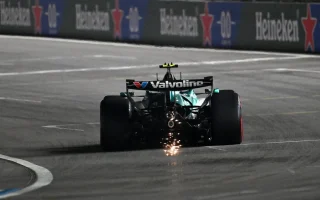
Discussion around future rules was recently fueled by the Las Vegas Grand Prix, which featured a record 35 lead changes driven by powerful slipstreaming and power unit boost modes. While the race showcased exciting action, it also highlighted the challenge of balancing overtaking aids so racing remains competitive without becoming too trivial.
Carlos Sainz’s Overtaking Proposal
Addressing these challenges, Sainz suggested that future overtaking aids should provide a straightline boost immediately after exiting corners to help chasing drivers recover from dirty air, rather than offering a massive speed advantage near the end of a straight.
“I think for 2030 I have an idea of where I would like it to be,” Sainz explained. “I think the delta on speed should come more at the beginning of the straight when you are trying to get the slipstream rather than at the end of the straight when the overtaking and the delta speed is too high. It would also leave more overtaking down to driver skill rather than simply sailing past the car in front.”
Sainz added that a corner-exit boost would allow drivers to close the gap into a slipstream and rely on braking zones for overtaking, avoiding dangerous top speed deficits at the end of straights.
“The power on the overtake mode, push to pass, DRS, whatever you want to call it, should happen exiting the corner, so that you have an extra power boost, let’s say, to catch up what you are losing in the corner [due to dirty air] but the boost shouldn’t then help you to finish the overtake,” Sainz stated.
“The weird overtaking that happened also a bit with DRS is when you get delta top speeds of 30 km/h and you arrive so quick that even when you are in front you are too scared to defend and cut him off, because the delta speed is so high,” Sainz noted.
Power Units and Alternative Views
Current plans for the next generation of power units involve 100kW of electric energy in standard mode, alongside an additional 100kW boost mode and a total harvest of 200kW. While active aerodynamics will not be required, the FIA has not ruled out pairing push-to-pass systems with a returning rear-wing DRS device.
Meanwhile, four-time world champion Max Verstappen suggested that alternative design choices could eliminate the need for DRS entirely by increasing aerodynamic drag on the cars.
“You can still come up with a formula where maybe a car is just super draggy in a straight line, so you don’t need to rely so much on DRS,” Verstappen explained. He also emphasized the importance of driver-friendly engine characteristics, noting that simpler throttle responses and manageable hybrid elements would improve the driving experience without overruling natural racing skills.