Table of Content
LSU has seemingly ended its effort to play former St. John’s star and professional signee RJ Luis, less than a day after a controversial in-game substitution. LSU system president Wade Rousse announced Thursday night that he instructed men’s basketball coach Will Wade not to play Luis.
The Controversy and Court Rulings
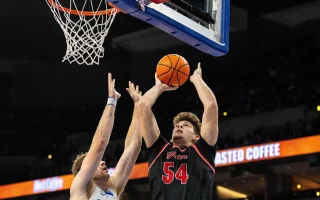
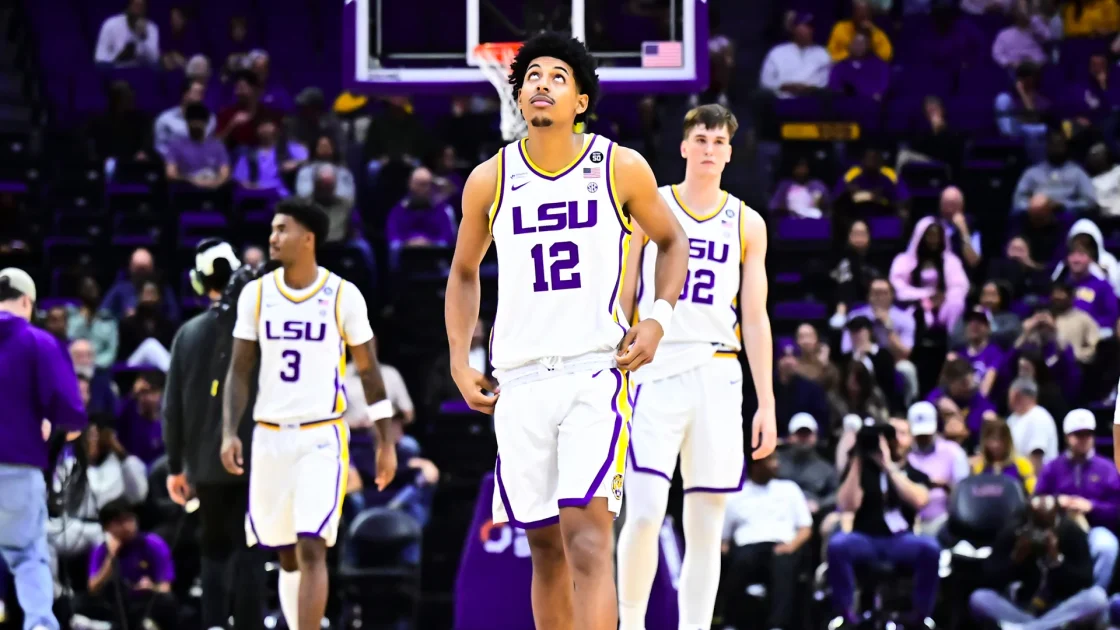
Luis entered Wednesday’s game against UL Monroe early in the first half, finishing with 11 points and nine rebounds in 15 minutes during a 79-67 win. It marked his first college basketball appearance since the second round of the 2025 NCAA Tournament with St. John’s, where he was named the 2024-25 Big East Player of the Year. Just a day prior, Rousse had issued a statement defending the school’s obligation to roster Luis following a preliminary injunction issued by an East Baton Rouge Parish court on November 13.
Rousse stated earlier that LSU must obey Louisiana court orders while remaining compliant with NCAA and SEC rules. This followed a previous statement from the SEC’s legal counsel indicating the conference would abide by the preliminary injunction without imposing penalties or fines if Luis was placed on the roster.
The situation developed because Luis sought to return to college basketball after declaring for the NBA draft in the spring of 2025 and subsequently signing two-way contracts with the Utah Jazz and Boston Celtics. After suffering an injury and playing three preseason games, Luis committed to LSU in May 2026 and used the Louisiana judiciary to fight his way back to the NCAA. Because he spent more than over a year away from college competition, his case differed from other fifth-year lawsuits. In late August, the SEC established a new penalty structure featuring lengthy suspensions and heavy fines for schools attempting to roster former professional athletes who were previously college students.
Conference Backlash and Expulsion Threats
According to conference sources speaking to CBS Sports, playing Luis against UL Monroe sparked widespread disbelief and whiplash across the SEC. Member schools discussed potentially boycotting games against LSU if Luis remained active when SEC play begins in early January. Sources told CBS Sports that Rousse’s decision to sideline Luis on Thursday stemmed from the mounting and realistic threat that the SEC could expel LSU from the conference. However, a high-ranking SEC source disputed this claim, stating the discussions never reached that level.
As tensions peaked, SEC Commissioner Greg Sankey and Rousse held an extensive phone conversation on Thursday shortly before a scheduled virtual meeting of SEC presidents. That discussion ultimately led Rousse to reverse course. Under league bylaws, removing LSU from the conference would require a two-thirds vote of qualifying executive members.
The possibility of expulsion first arose when LSU attempted to roster two former Ole Miss football players who failed to make NFL rosters over the summer. While football coach Lane Kiffin backed down before the season opener, LSU’s basketball leadership initially pushed forward, backed by favorable local court decisions.
Legal Fallout and Future Outlook
Elliot Abrams, an attorney representing Luis, strongly criticized the conference’s approach in a statement to CBS Sports, calling the SEC’s decision to threaten expulsion over an eligible student-athlete reprehensible and damaging to a young person caught in a power struggle.
Pressure on the conference also came from Georgia’s attorney general, who sent a letter to Sankey on Wednesday—his second in under three months—urging severe action against LSU, including expulsion. Additionally, a federal lawsuit between the SEC and LSU remains ongoing in Birmingham, Alabama, stemming from the football roster dispute in August.
With Luis potentially finished at LSU, further legal action could follow on his behalf due to a significant NIL contract he signed with the school, which could leave LSU owing millions for just 15 minutes of play. Another high-ranking SEC member noted that the conference remains prepared for any outcome.
The ongoing conflict highlights the turbulent relationship between LSU and the conference, ensuring that further developments in the ongoing saga are expected.