Table of Content
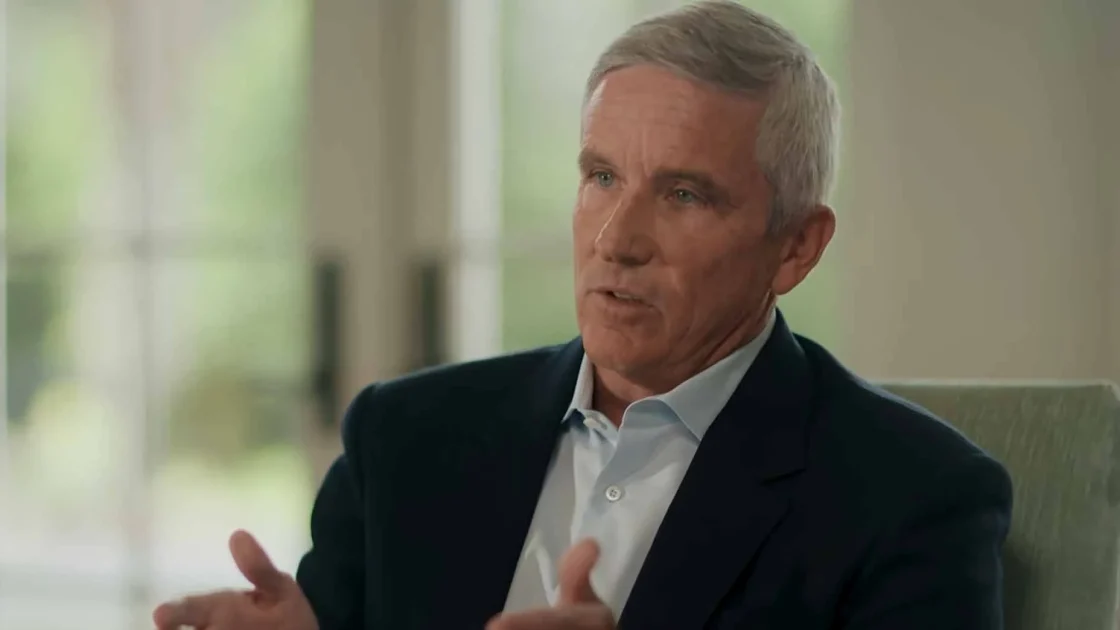
PGA Tour commissioner Jay Monahan has finally shared his perspective on why he did not take early calls from the backers of LIV Golf before the rival circuit launched. Speaking with Eamon Lynch on a new Golf Channel show, Eamon Lynch Has Questions, Monahan addressed criticism that golf’s prolonged division could have been avoided had he engaged with Saudi financiers at the outset.
Challenging the Premise of the Early Calls
Monahan challenged the notion that he was ever approached in good faith, describing the early overtures as part of a covert recruiting operation. He noted that while discussions of a potential call circulated, representatives of the group had already been attending PGA Tour events with lawyers to recruit players and meet with agents.
According to Monahan, the rival backers believed that franchise-based team golf would prove more successful than the traditional PGA Tour model and viewed the established circuit as nothing more than a feeder tour. “And they saw us — they were saying this to others — as a feeder tour,” he stated in the interview.
Defending the Tour’s Core Model
Monahan explained that entering discussions would have meant either accepting a subordinate status as a feeder tour or reaffirming faith in the existing PGA Tour model. He stated that the organization chose to focus on what it had created for its players, fans, and stakeholders.
“It was not a pleasant period,” Monahan told Golf Channel. “We were focusing on the things that we could control, knowing what it was that we thought they were trying to do.”
Reflections and Regrets
Elsewhere in the interview, Monahan admitted that he would handle certain matters differently with the benefit of hindsight, specifically pointing to the rollout of the Tour’s framework agreement with LIV as his biggest regret. Despite the turbulent era and the eventual challenges faced by the rival circuit, Monahan declined to take a victory lap.
“I’m extremely proud of where we are and I’m extremely grateful to everyone that contributed to getting us here,” he concluded. “It’s not about me. You know, I was the leader of the organization during a challenging time. I did the best I could alongside everybody else to get us to the right outcome.”