Table of Content
Discrimination reports in English football have reached record levels, with new data highlighting a concerning rise in homophobia and transphobia. According to the anti-discrimination charity Kick It Out, the 2025-26 season saw 1,744 reports of discrimination, marking a 25% increase from the previous campaign, with reports of homophobia specifically climbing by 46% to 203.
Rising Abuse and Changing Campaigns
Kick It Out reported a record 142 instances of discriminatory mass chanting during the 2025-26 season, a 41% increase that included more frequent homophobic and transphobic abuse. While the criminalized “rent boy” chant had previously seen a decline, there were 24 reports of homophobic chanting this season, the highest figure in three years. The charity links some of this abuse to broader societal events, such as the Supreme Court ruling on gender, which preceded a spike in transphobic abuse within the women’s game.
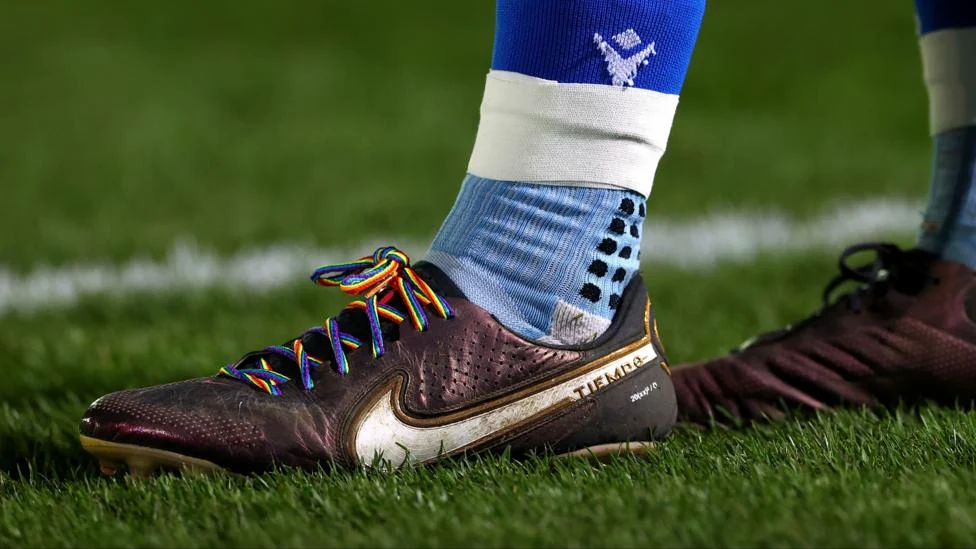
This shift in climate coincides with the end of the Premier League’s long-standing association with the Stonewall Rainbow Laces campaign. Jon Holmes, founder of the campaign group Sports Media LGBT+, told BBC Sport that the campaign had lost its impact, noting that it became increasingly difficult for players to participate without facing controversy. The final campaign in late 2024 saw several high-profile incidents, including players opting not to wear rainbow armbands or modifying them to express religious beliefs. Simon Blake, CEO of Stonewall, acknowledged to BBC Sport that the campaign had “run its course” in its previous form, though he emphasized that visibility remains vital.
Club Engagement and Representation
In response to inquiries from BBC Sport regarding diversity policies and funding, nine of the 20 Premier League clubs provided responses, though none disclosed specific financial investments in LGBTQ+ initiatives. Some clubs maintain visible ties to their local communities; for example, Leeds United has sponsored city Pride events since 2018, while Manchester City and Manchester United participate in local parades and flag-raising ceremonies. Additionally, all 20 Premier League clubs now have dedicated fan groups for LGBTQ+ supporters.
However, representation within the clubs remains low. Kick It Out data covering 17 Premier League clubs shows that only 0.3% of senior management staff openly identify as LGBTQ+, significantly lower than the 4% average in the UK population. Furthermore, no senior coaching staff from the 11 responding clubs identified as part of the LGBTQ+ community. Kick It Out suggests that for clubs to be truly representative, they would need to employ over 100 more people from the LGBTQ+ community.
The Impact of Beliefs and Grassroots Challenges
The decline in player-led allyship is often linked to the personal religious beliefs of some athletes. Both Holmes and Blake noted that while religion is a factor, it is important to focus on behavior and mutual respect. “The important thing is about behaviours, and we must learn to live with people who have these different beliefs and respect them,” Blake told BBC Sport.
The challenges extend beyond the professional game. Kick It Out reported a 140% increase in discrimination reports within grassroots football compared to the 2024-25 season, with the majority occurring in senior matches. Research by Stonewall indicates that these trends affect participation, with 11% of LGBTQ+ people in the UK avoiding sports groups due to fears of discrimination, a figure that rises to 29% among transgender individuals.
The Premier League plans to bring back its “Premier League With Pride” initiative in February 2027, coinciding with LGBTQ+ History Month, with all 20 clubs scheduled to host dedicated match rounds during that period.