
Table of Content
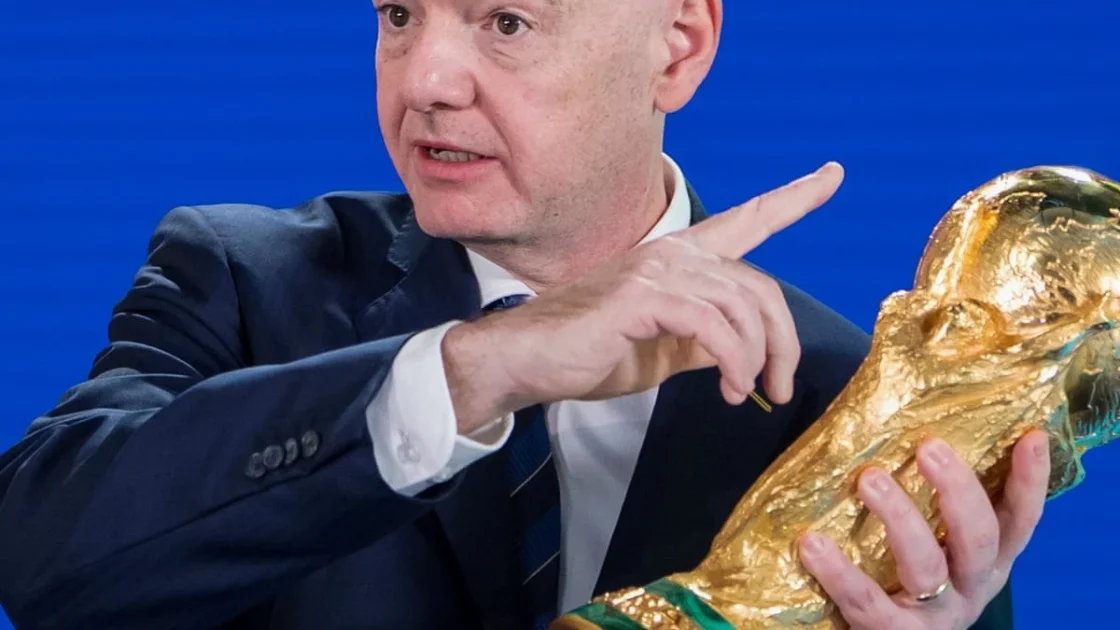
Gianni Infantino’s failed FIFA Forward Enterprise plan could have locked football in for up to 96 years while paying its management up to 5% of the scheme’s multibillion-pound value, according to documents seen by Sport | The Guardian. Previously undisclosed communications by FIFA and Thrive Capital, the lead investor for the proposal, cast fresh light on the deal to sell off football’s commercial assets.
Extraordinary Scope of the Proposed Agreement
An internal FIFA risk assessment dated 17 July outlined the extraordinary scope of the scheme, which was produced days before July’s final of the 2026 World Cup. The document stated that the deal provided for FIFA to create a for-profit subsidiary that would receive all commercial rights for FIFA events for commercial exploitation over the next 96 years.
Another internal FIFA document written the following day detailed that the contract period would operate for rolling 12-year license periods up to a maximum total of 96 years, adding that FIFA would assume 51% ownership in perpetuity. Infantino, who hopes to be re-elected for a fourth term as president in March and is the favorite to win that contest, was due to chair the board of the new entity.
Management Incentives and Break Fees
The existence of a lucrative management incentive plan for unnamed individuals helming the scheme highlighted how much its architects could have profited. A term sheet and backstop letter drawn up by Thrive on 17 July referred to the project as Project Box and set aside up to 5% of the firm’s stock as a bonus pool for management, potentially paying out up to $50m for each $1bn added to the scheme’s value above its initial $20bn valuation.
According to a FIFA memo, the pool aimed to ensure sufficient motivation to perform well. A further clause specified that if FIFA breached its agreement with Thrive or completed a deal with a rival party, Thrive would have been entitled to a 1.25% break fee totaling $250m, while FIFA would have been barred from talking to other potential lead buyers for a year or until the deal closed.
FIFA Defense and Lack of Tender Process
The FIFA memo of 18 July confirmed there was no tender process due to the specific and unique nature of the proposed investment, and the risk assessment noted that FIFA’s finance department was not directly privy to the terms of the transaction. FIFA has consistently denied that Infantino stood to profit personally from the initiative.
A FIFA spokesperson stated that the proposal would have been subject to approval by FIFA member associations and the council. The spokesperson added that any management incentive plan was exclusively for members of the enterprise’s management, of which FIFA officials could not have been part, and that leadership roles on the board would not have led to additional remuneration since the president’s salary is set by an independent compensation subcommittee.
FIFA stated it intends to reply to questions submitted by its council members and has no intention of breaching confidentiality by commenting first to media.