Table of Content
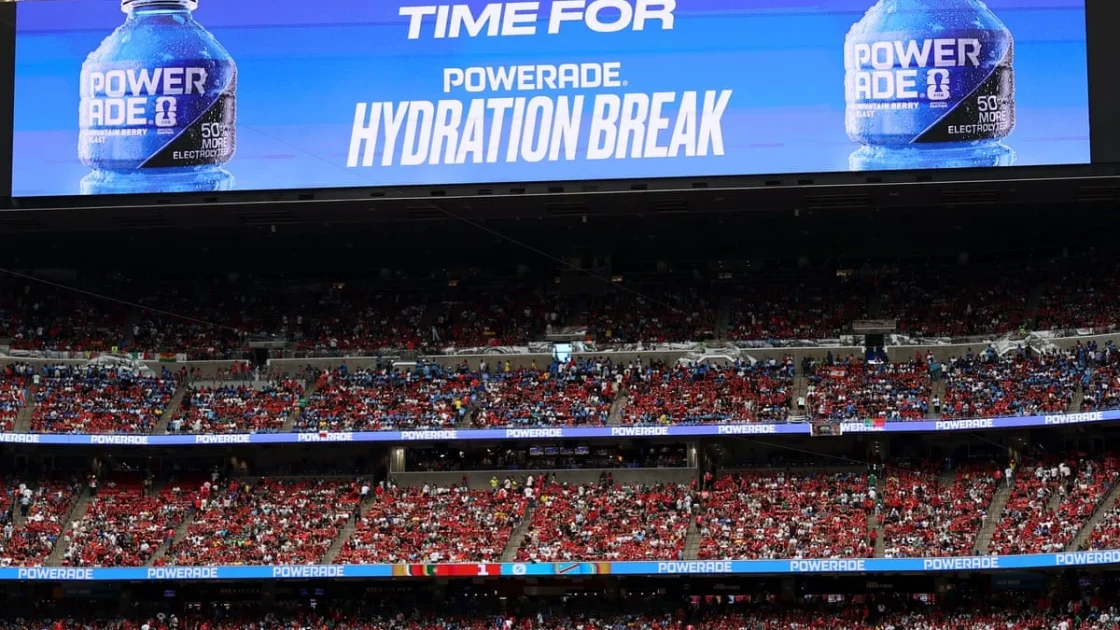
FIFA’s tender documents for the 2030 World Cup broadcast rights contain provisions for selling advertising during hydration breaks, strongly suggesting the controversial stoppages will remain part of the tournament. While the governing body maintains that no final decision has been reached, the inclusion of these breaks in the tender process highlights their potential commercial value.
Commercial and Welfare Considerations
Hydration breaks, which last three minutes and occur midway through each half, were implemented across all 104 matches during the previous men’s World Cup. FIFA introduced these breaks primarily for player welfare, though they also served as a significant financial benefit for broadcasters, particularly US-based rights holders Fox Sports and Telemundo.
The tender documents for 2030 also reference cooling breaks, a mechanism previously used by UEFA that pauses play for 90 seconds to three minutes when temperatures reach 28C. FIFA sources told The Guardian that the current tender documents were designed to account for all potential operational options.
Financial Impact and Future Rights
The use of hydration breaks has proven lucrative for media companies. Reports from last summer indicated that these breaks generated between $2 million and $9 million in advertising revenue per match. Media sales analyst Guideline estimated that Fox’s total advertising yield from the tournament reached $835 million, nearly double the $485 million rights fee paid to FIFA.
While FIFA did not receive direct financial gains from these specific ad sales, the expectation that hydration breaks will continue could increase the value of future broadcast packages. The upcoming auction for US rights is projected to fetch between $1.5 billion and $2 billion, with interest expected from traditional broadcasters and streaming services like Netflix.
Tournament Context
The 2030 World Cup is set to take place primarily in Morocco, Spain, and Portugal, with three opening matches scheduled in South America. FIFA previously adopted widespread hydration breaks for the 2026 tournament to ensure consistent conditions across all matches, even in climate-controlled stadiums, following high-temperature stoppages during the 2025 Club World Cup in the US.
FIFA has declined to comment on the specific details of the tender. Meanwhile, mandatory hydration breaks will not be utilized at next year’s Women’s World Cup in Brazil, where weather forecasts suggest cooler temperatures than those experienced during the previous men’s tournament.