Table of Content
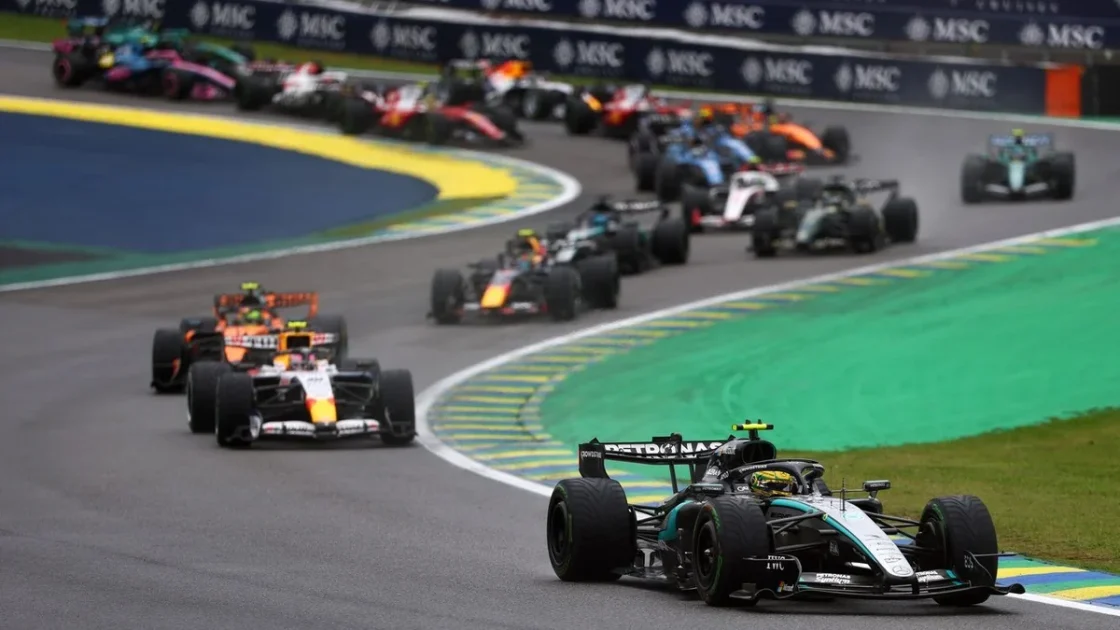
The Qatar and Abu Dhabi grands prix concluding Formula 1’s 2026 season are set to proceed as planned, provided there is no dramatic escalation of the Iran war.
Impact of Middle Eastern Conflict on Motorsport
The regional conflict began in late February when the United States and Israel launched strikes on Iran, causing widespread instability. Numerous motorsport calendars have suffered disruptions due to the geopolitical situation, including F1’s Saudi Arabian race being cancelled and its Bahrain round being postponed and relocated to Malaysia.
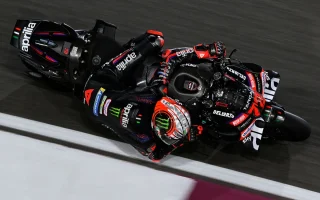
Formula 1 kept a close watch on developments, maintaining Imola as a backup option for a season finale on the first weekend of December if Qatar and Abu Dhabi became unable to host their scheduled events. Lusail successfully hosted its MotoGP round the previous weekend without major incidents, although both Yamaha teams withdrew from the competition because of the geopolitical climate.
Final Decision on Imola and the Season Schedule
November 10 served as F1’s deadline to inform Imola whether the Italian circuit needed to prepare for a grand prix within a three-week window, and the track was told it will not host a race. Consequently, the 2026 season will conclude with the scheduled triple-header across Las Vegas, Qatar, and Abu Dhabi, as current travel insurance policies and government travel advisories permit travel to the region.
Formula 1 acknowledges it cannot guarantee conditions will remain stable by early December and emphasizes that safety will take precedence if the conflict worsens.
Team Principals Support F1 and FIA Decisions
Team leaders have maintained a clear and unified position, expressing full trust in Formula 1 and the FIA to make appropriate decisions regarding the events.
Ferrari team principal Fred Vasseur stated in Mexico that he trusts management to make the optimal choice for everyone involved. “Me, personally, I want to race. It doesn’t matter where, but I want to race. Now, I will go where they will tell us to go,” Vasseur remarked, as reported by Motorsport.com.
Mercedes counterpart Toto Wolff explained during a press conference at Interlagos that Formula 1 relies on international guidelines, travel restrictions, airline operations, regional warnings, and local government feedback. Wolff expressed full confidence in this approach, noting that F1 CEO Stefano Domenicali and FIA President Mohammed Ben Sulayem monitor the situation closely to protect personnel if conditions grow more dangerous.
Wolff added that individual comfort levels are respected, noting that if anyone feels uncomfortable traveling, he would respect their decision and potentially offer an alternative opportunity without harming professional relationships.